
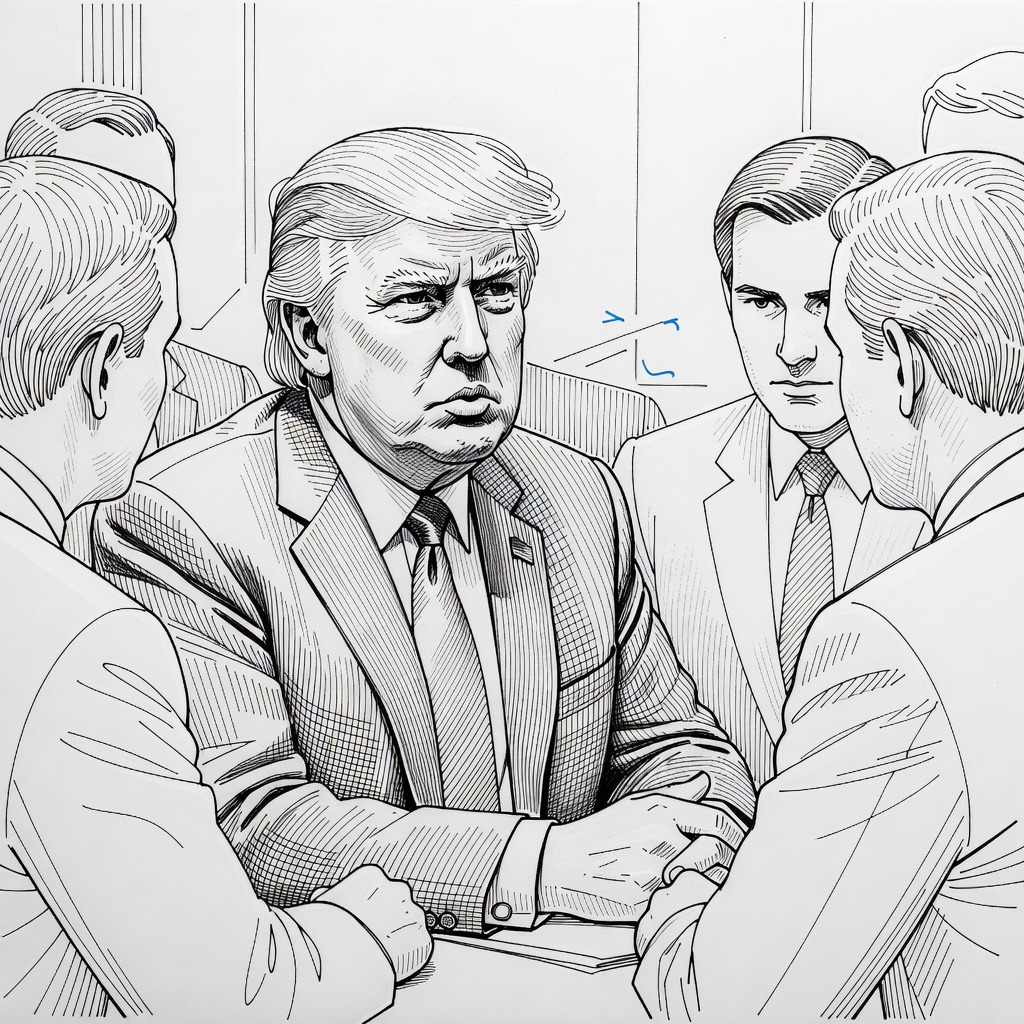
• Seize Multilateral Inspection Off-Ramps Diplomatic engagement and international verification offer the only sustainable path to prevent nuclear proliferation and wider conflict. Iranian President Masoud Pezeshkian's offer to admit United Nations nuclear inspectors within a seven-day framework provides critical oversight into Iran's near weapons-grade uranium enrichment. Dismissing verifiable monitoring in favor of continued confrontation squanders a viable mechanism to de-escalate standoff tensions without firing a shot.
• Dismantle Chokepoint Economic Strangleholds Securing vital trade corridors requires mutual compromise rather than unilateral naval containment. Reopening the Strait of Hormuz by lifting naval blockades and releasing frozen assets resolves acute disruptions to global energy markets and eases economic distress. Relying on prolonged embargoes only incentivizes maritime brinkmanship, creating unnecessary friction over transit routes and international shipping access.
• Avert Catastrophic Regional Escalation Threatening post-election airstrikes risks triggering an unmanageable regional conflagration. With Saudi-led forces already intercepting Iranian-backed Houthi ballistic missiles and drones, escalating kinetic action will inevitably intensify asymmetric proxy warfare. Prioritizing military ultimatums over negotiated pacts endangers regional stability and subjects millions of civilians to the fallout of an expanded Middle East war.
How it may affect me
As a U.S. reader:
• Ongoing shipping disruptions in the Strait of Hormuz and the broader Middle East continue to affect global energy markets, potentially impacting fuel availability and energy prices.
• The potential for renewed U.S. airstrikes following the midterm elections creates a short-term risk of expanded regional military conflict involving American forces.
• Long-term national security may be shaped by whether the U.S. chooses diplomatic inspections and asset releases or military deterrence to address Iran near weapons-grade uranium enrichment.