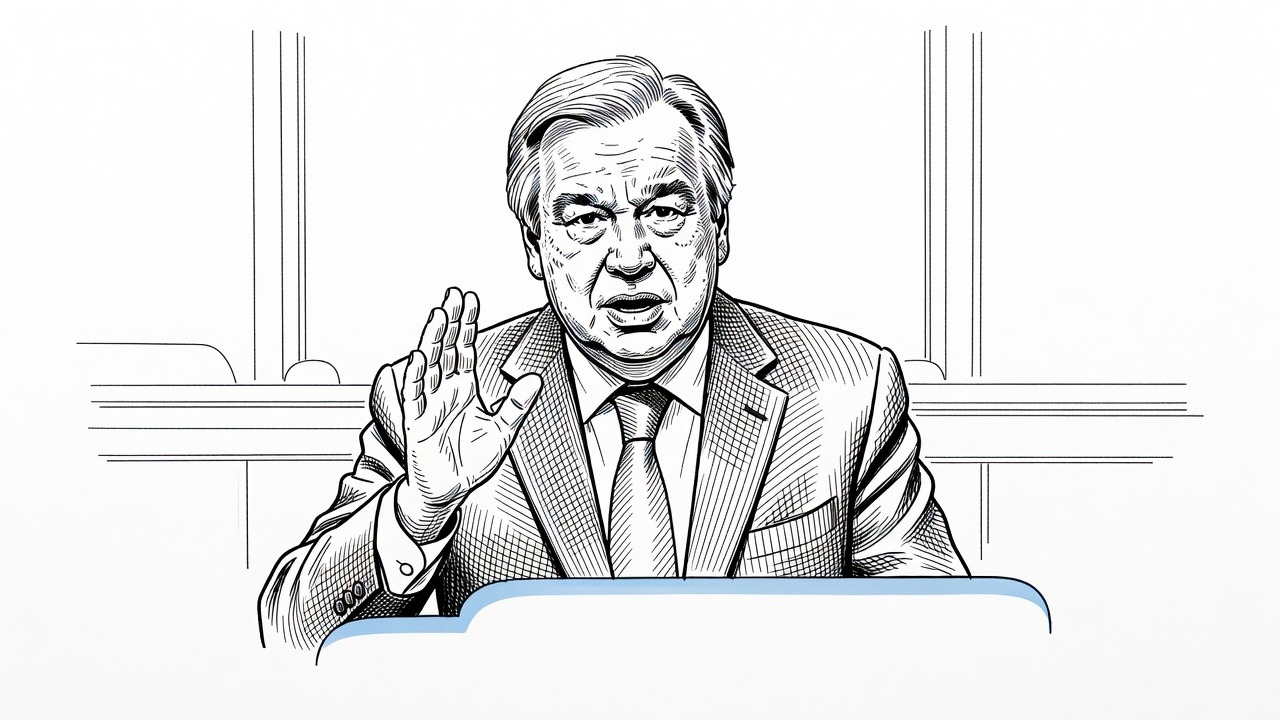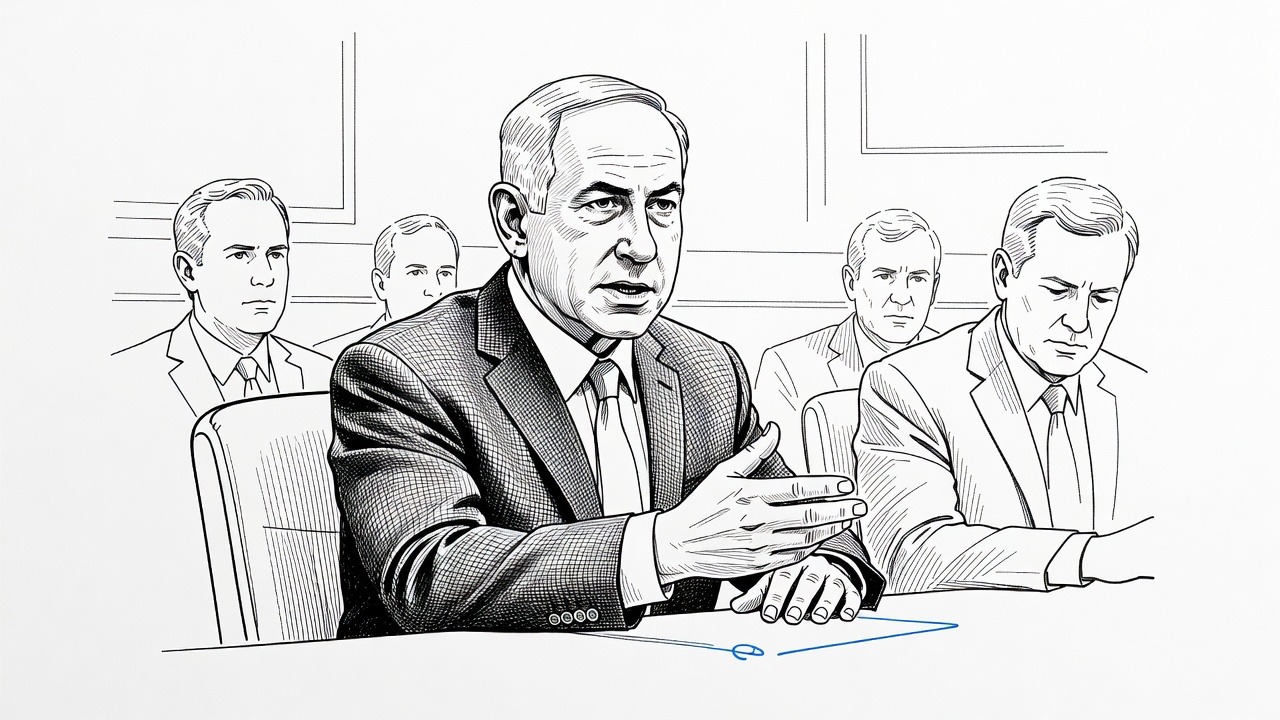
Read Likud's statement closely. Netanyahu, it says, offered Gadi Eisenkot the premiership immediately. Eisenkot's refusal is framed as obstruction. The story is meant to sound like generosity rebuffed by a man too proud to say yes.
Israelis have seen this offer before. In 2020, Netanyahu signed a rotation deal with Benny Gantz, then engineered a budget collapse that sent the country back to elections rather than hand over the office. Gantz, who had split his own party to join him, was left holding a worthless paper promise. A rotation agreement binds only the party that wants to honor it. Netanyahu has already shown that he does not.
Notice, too, what Eisenkot's party says the real disagreements are: a state commission of inquiry, military conscription, and Itamar Ben-Gvir. These are not technicalities. They are the three questions of this era in Israeli politics.
The commission is about whether the person who presided over October 7 gets to avoid an independent reckoning. Netanyahu has fought a state commission, which has real investigative power, and has preferred a process his government can shape. A leader on trial for corruption, who has sought a pardon, cannot be the one who decides how deeply the country examines his own tenure.
Conscription is about whether the burden of war is shared. Reservists have been called up again and again, while ultra-Orthodox exemptions are protected for coalition arithmetic. Eisenkot knows what that burden costs. His son was killed in Gaza.
Ben-Gvir is the plainest of the three. He is a man once convicted of incitement to racism and support for a terrorist organization, and he has been given power over the police. Bringing him back means bringing back a government that treats lawlessness as policy.
I have no illusions about Eisenkot. He is a former chief of staff, not a social democrat, and the Left will disagree with him on much. But the Left's task here is not to demand purity from the one figure who can break Netanyahu's hold. It is to insist he never trades these three conditions for a title. Bennett's refusal to serve under Netanyahu is the right instinct, and it should hold.
A unity government that postpones accountability, shields the exempt and keeps the extremists is not unity. It is Netanyahu's survival with a rotating nameplate.