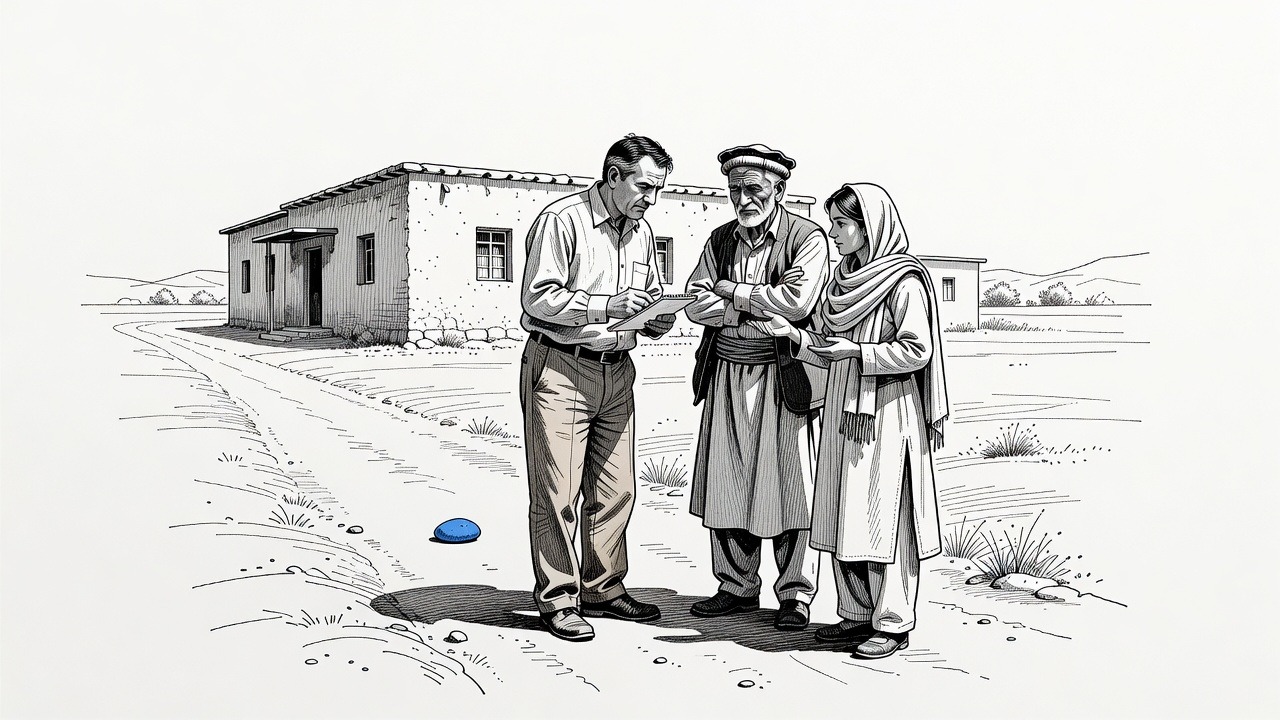
Notice the word the Taliban government reached for: carelessness. Seven dead, more than 90 injured, a blast near a school in Asadabad, and the official explanation is that someone at an explosives depot was sloppy. That is a way of making a systemic failure sound like one man's bad afternoon.
The findings are preliminary, and I won't pretend to know what happened inside that depot. But I know what kind of economy needs explosives stored on the edge of a provincial capital. Afghanistan's rulers have staked their future on mining, courting investors with promises of copper, lithium and gems. Extraction arrives fast. Inspectors, zoning rules, blast-safety standards and liability for the companies do not. Wherever that happens, from West Virginia to the Congo, the people who live closest pay first. Here, some of them were children.
The Taliban deserve no benefit of the doubt. This is a government that has barred girls from school beyond sixth grade. Its concern for children's safety near a classroom is hard to take at face value. It also answers to no voters, no free press and no independent court. An investigation run by the same authority that licensed the depot is not accountability. It is an internal memo.
But my own side should resist the comfortable conclusion that this is simply what Taliban rule looks like. Western governments helped build the conditions in which a disaster like this is lethal. Kunar was already devastated by an earthquake this year that killed more than 2,000 people. Aid budgets, led by the dismantling of USAID, have been gutted. Billions in Afghan central bank reserves remain tied up abroad while ordinary Afghans go hungry. UNICEF is left assessing the damage with what charity and goodwill provide, as if emergency medicine were a hobby.
We can despise the Taliban and still admit that isolation is not a policy. It does not weaken the men in power. It weakens clinics, ambulances and the few people trying to keep a province functioning. Afghans do not get to vote the Taliban out, but outside governments do decide whether a wounded child in Kunar gets care. Pressure on the regime and relief for its victims have to be pursued together. Right now we are failing at both.