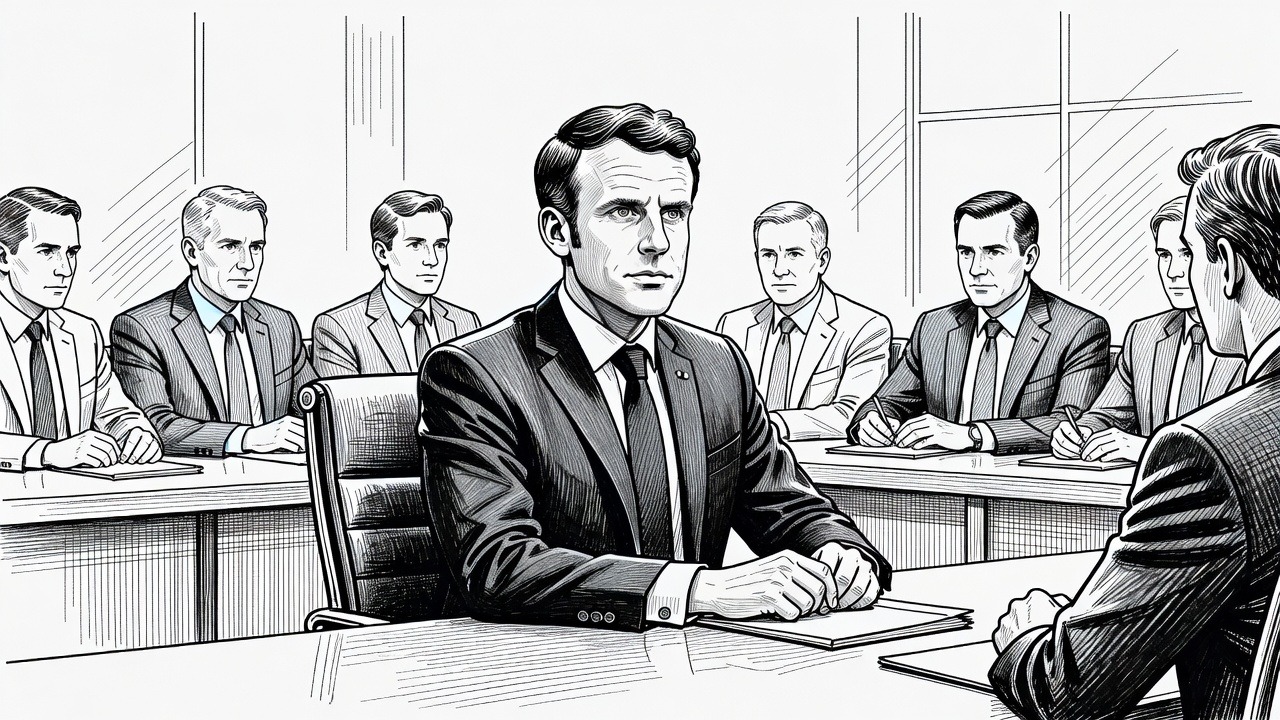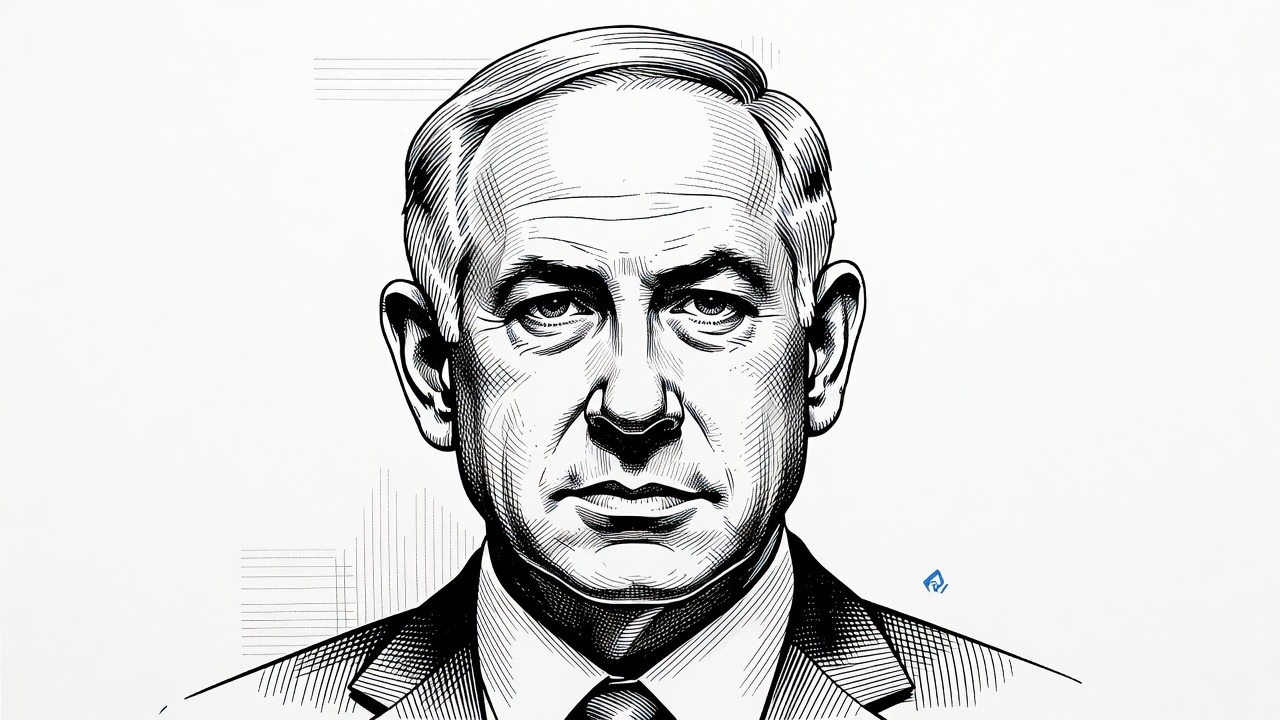
Benjamin Netanyahu offered to do the thing his opponents have spent years calling the test of seriousness: give up the chair, at least for the first turn. Gadi Eisenkot would serve as prime minister. Netanyahu would sit as alternate and wait. For a man who currently holds the job, that is not a slogan. It is the concession Israeli politics pretends to want and almost never accepts.
Yair Lapid called the proposal a tactic and named his price: swear in an Eisenkot-led government first, then negotiate about widening it. Translate that. Hand us the government, and afterward we will discuss whether you are invited. Once a coalition is sworn in without the prime minister's camp, expansion is a favor, and favors in the Knesset last until the next whip count. Yair Golan spared everyone the euphemism. He does not want this offer improved. He wants an alternative government — which, in the dialect of this opposition, means a government defined by who is barred from it.
Naftali Bennett is the exception, and he is right. Netanyahu has to prove the offer is genuine. Rotation deals in Israel die of fine print, and the right does not become wiser by pretending its own leader is above the maneuver. Demand a date, a written trigger, and a security forum that cannot be restacked the morning the cameras leave.
A precondition designed to be refused is something else. If a sitting prime minister can offer his rival the first turn and still be told that unity begins only after he has been removed from the building, the argument was never about how Israel should be governed. It was about which voters are allowed to count.
Either this meeting produces a binding rotation, or the opposition should retire the word unity until it is willing to mean it.
How it may affect me
If you live with the consequences of Jerusalem's arithmetic, ignore the adjectives. A real rotation names the date, the clause that breaks it, and who cannot be shuffled out of the inner cabinet after the swearing-in. Without those lines, Israel is on the road to another election, with a government boxed in on budgets and major legislation. With them, the daily question is whether the alternate prime minister's authority exists on paper, or only in a speech.