The shove is the story, but it is not the scandal. The scandal is that nobody is surprised.
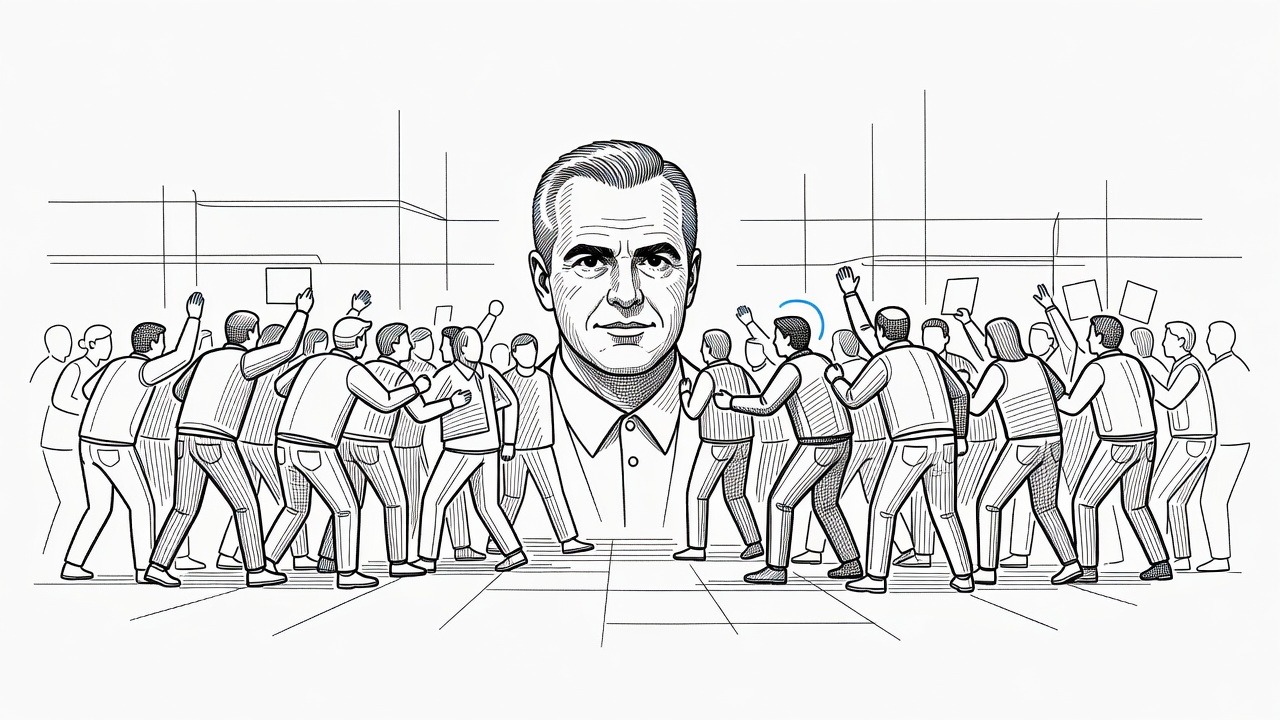
Laura de Chiclana was surrounded by men and pushed against a wall while reporting on violence against Palestinians. The footage is thin on date and place, and we should say so. But anyone who has followed the West Bank knows it does not need a precise timestamp to be believable. Settler intimidation of Palestinian farmers, shepherds, activists and the journalists who document them has become so routine that a European reporter being manhandled barely registers as news.
That is the point. A foreign journalist has a passport, an editor and a government that can complain. Palestinians who live there have none of those protections. When settlers will rough up a reporter on camera, think about what they do when no camera is running. The UN has recorded record levels of settler violence in recent years, with villages emptied, olive groves burned and families pushed off land they have farmed for generations. The reporter is simply the part of the pattern that Europe can see.
The usual defense is that these are fringe extremists, not the Israeli state. That excuse has expired. Settlers operate under the protection of an army that often stands by, and in a government whose own ministers are settler leaders and openly celebrate expansion. Prosecutions of settler violence are rare. Impunity is not a failure of the system. It is how the system works. Violence does the work that official policy would rather not announce: clearing land without a formal order.
The Left should be uncomfortable about its own side here too. Governments that style themselves defenders of human rights, and the left-leaning ones above all, can be counted on for a statement of concern when a European citizen is roughed up. Concern costs nothing. If a journalist from a NATO-aligned country can be shoved and the response stops at words, then "consequences" has lost its meaning. The test is not what Madrid or Brussels says. It is whether anything changes for the men who do this.
Press freedom is not a favor granted to reporters. It is how the public learns what is being done in its name and, often, with its money. Attacking those who document the occupation is an attempt to make it unobservable. The proper response is not another expression of concern. It is conditioning trade and cooperation on the protection of journalists and Palestinian civilians, and sanctioning those who commit and enable the violence.