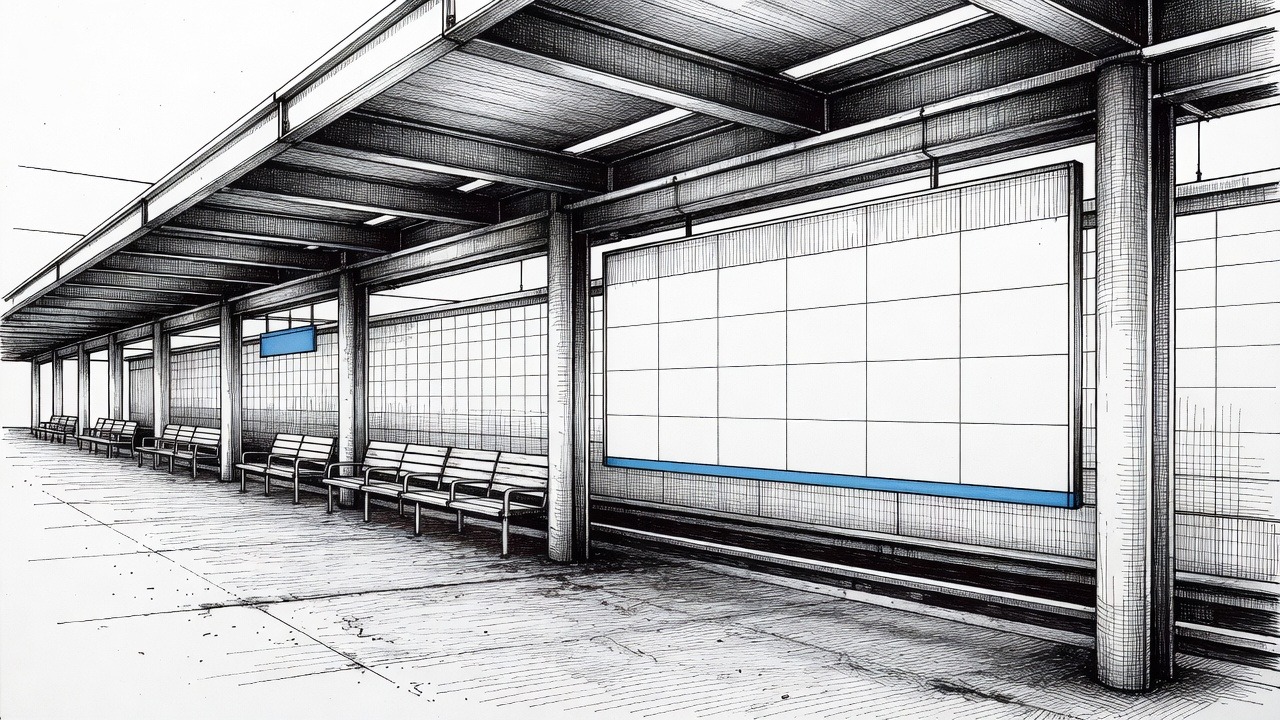
Nobody yet knows what happened in that passageway at Sangenjaya, and anyone who claims to is selling something. We know a man in his 50s is dead, a 32-year-old company employee is in custody, and the trigger may have been a collision between two strangers. A shoulder bump. The kind of contact that happens thousands of times a day in a Tokyo station and is usually settled with a mumbled sumimasen.
The usual reflex is to file this under freak incident in a famously safe country. Japan is safe, and that is exactly why the story should bother us. A society's civility is not a national trait. It is a daily act of restraint by tired people, and restraint has a budget. Japan asks a great deal of that budget: punishing commutes, late hours, a work culture that has a word, karōshi, for death from overwork, and wages that have barely moved for a generation while costs rise. Then we act surprised when the public spaces between work and home become places where nerves fray. I am not excusing violence. A man who throws a fatal blow over a collision is responsible for it. And we don't yet know that overwork or money worries had anything to do with this case. But a country can ask why the margin of patience has gotten so thin, and who benefits from keeping it that way.
The Left also has to hold itself to its own standard. Police have arrested a suspect on suspicion of injury resulting in death, which is a long way from a finding of guilt. Japan's criminal process lets prosecutors hold suspects for weeks, with interrogations in which lawyers are not present. Critics, including many on Japan's own left and in the legal profession, have long called it "hostage justice." The dead man's family deserves a full and honest account. So does everyone else, and that means not letting a grim headline become an excuse for the very system that produces forced confessions.
Grief and due process are not rivals. A decent society insists on both, and on asking what wore its public life this thin.