Giorgia Meloni says the war must not spread to the Mediterranean. Someone should tell her it got there years ago, and that Moscow bought the ticket.
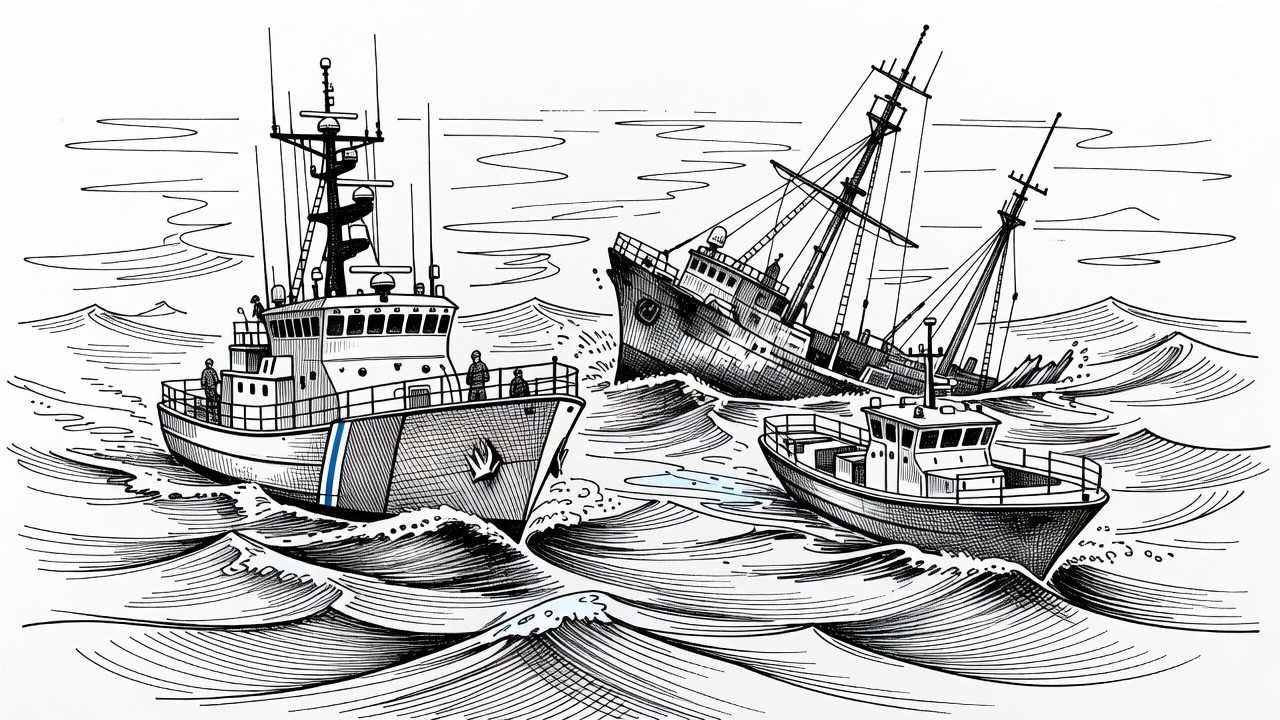
Benghazi is not Libya's neutral soil. It sits in the east, under Khalifa Haftar's armed control, not under the Tripoli government now denouncing the strike. Haftar has spent years cultivating Russian patronage, from Wagner's mercenaries to their Africa Corps successors. Moscow has been hunting for Mediterranean footholds to replace the ones it could lose in Syria, and a Russian warship tied up in a warlord's port is what that looks like. If you want to talk about breaching Libyan sovereignty, start with the government that turned a fractured country's port into a military outpost, not the one that sank the ship.
I say this as someone with no appetite for escalation or romance about drone warfare. The Libyan people have been used as a chessboard by Russians, Turks, Emiratis and Europeans alike, and they have the most to lose if Benghazi becomes a target list. Zelenskyy's claim that the cargo ship carried weapons deserves scrutiny, not applause. The Left's job is to ask hard questions about legality, civilian risk and whether Kyiv's allies were consulted.
But Rome's scolding is not a principled stand. Italy's government has spent years paying Libyan authorities and militias to keep migrants off European shores, and it has looked away from what happens to them. Its devotion to Libyan sovereignty is selective. It is also convenient. The strike landed as European leaders argue over funding Ukraine, and "don't widen the war" is the line fatigued governments use when they want to do less without admitting it.
That is the real danger. A rule that Russia may project power anywhere while Ukraine may strike only inside its own borders is not a rule for preventing escalation. It is a gift to the aggressor. Moscow decides where the war is fought, and its victims are told to take it quietly.
If Meloni wants the Mediterranean kept out of this war, she has a better option than lecturing Kyiv. She can help build a Europe that makes Russian expansion costly, funds Ukraine so it isn't left improvising, and stops outsourcing Libya's fate to strongmen.