Forty crossings in two months, and the warning shots haven't slowed them. Yoo Yong-won reads that as proof Seoul needs a "strong response." Read it again. The data says the current approach doesn't work. It doesn't say the next rung up the ladder will.
Ask the question a serious hawk should ask first: strong in what way, toward what end? Warning shots are already the strong response. The next steps are shots that aren't warnings, or a firefight between two armies standing a few meters apart on the most heavily armed border on earth. Nobody sane wants a corporal's judgment call to start that war. Yet that is the logic of demanding toughness without defining it.
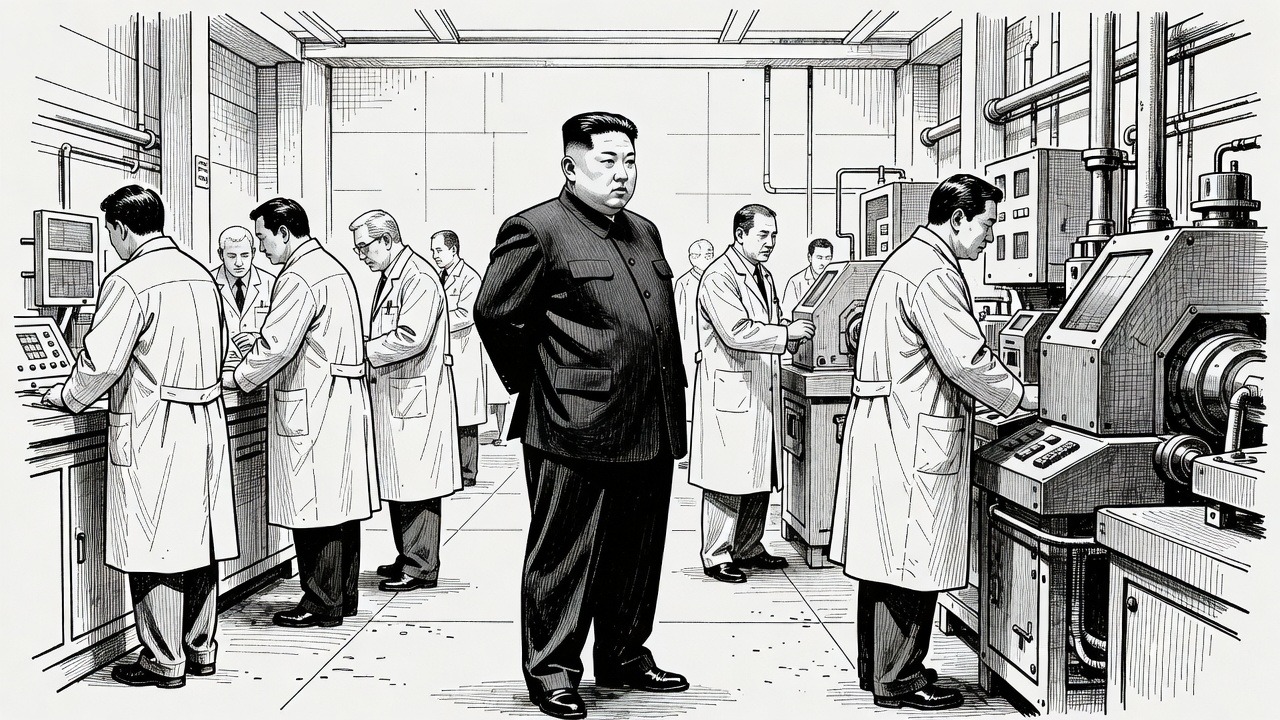
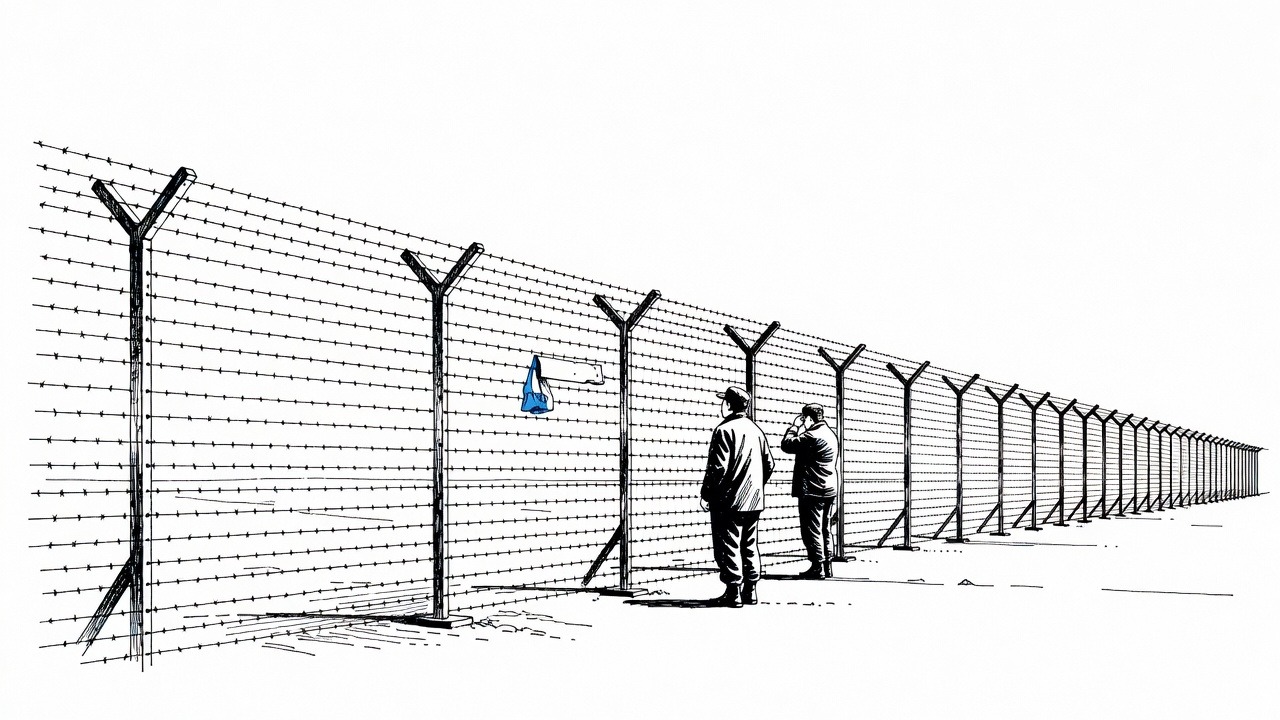
Context matters too. The Military Demarcation Line is a marker-dotted line across rough, forested terrain, and many of its markers are worn or missing. The crossings appear to coincide with North Korean fortification work along the border. That is hostile and ugly, but it is a different thing from an invasion probe. Treating a work crew's wandering as a casus belli is how accidents become wars.
Then there is the hypocrisy. The conservative camp that now demands firmness spent the Yoon years dismantling the guardrails that made this border safer. Yoon suspended the 2018 military agreement, which had established buffer zones and limits on drills and live fire near the line. Prosecutors also allege his administration ordered drones flown over Pyongyang in October 2024, apparently to manufacture a provocation. If that is true, the people lecturing about deterrence were gaming the very tension they now decry.
The left-of-center answer is not naivety. Deterrence matters, and the South Korean military should absolutely hold its posture. But posture without communication is just a countdown. Seoul should rebuild the hotline channels, restore the 2018 buffer provisions, and use the UN Command's mechanisms to clarify exactly where the line runs. Pyongyang has been unresponsive, and it may stay that way. That is a reason to keep trying, not a license to bluster.
The cheapest thing in politics is a demand for a "strong response." The people who pay for it are the conscripts on the line and the 10 million people of greater Seoul living within artillery range. Anyone proposing escalation owes them a plan for what comes after it.