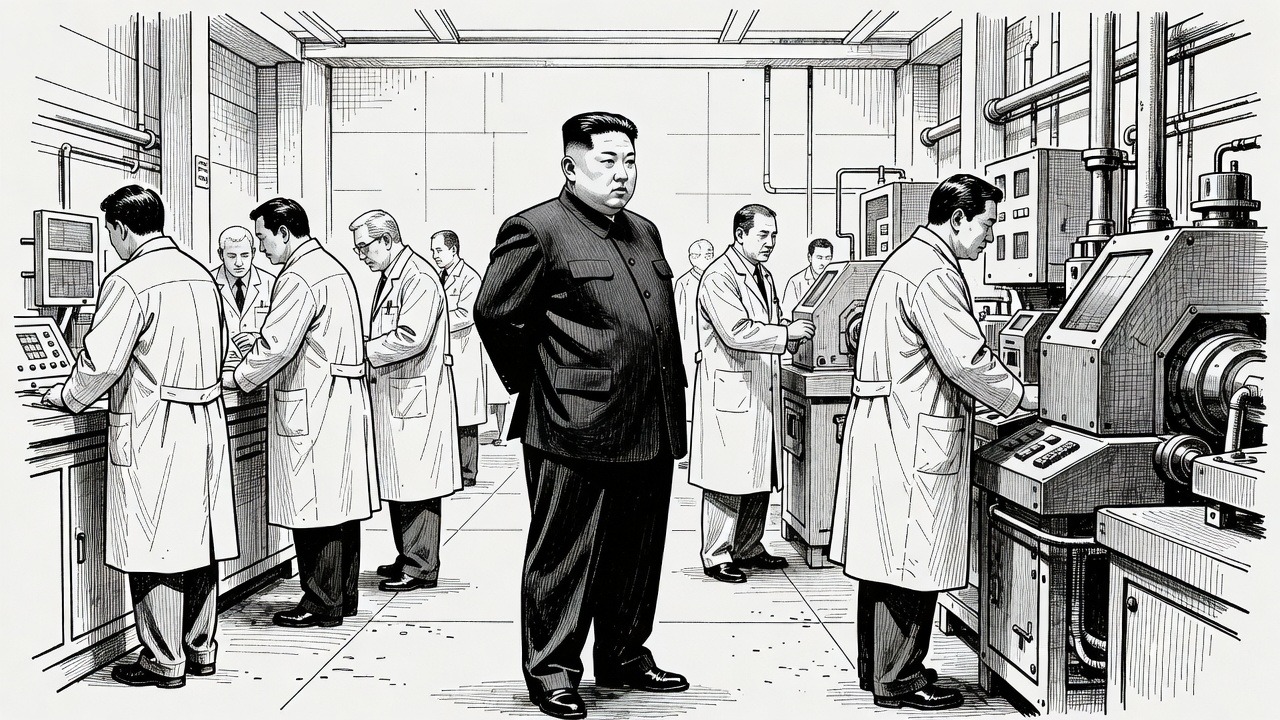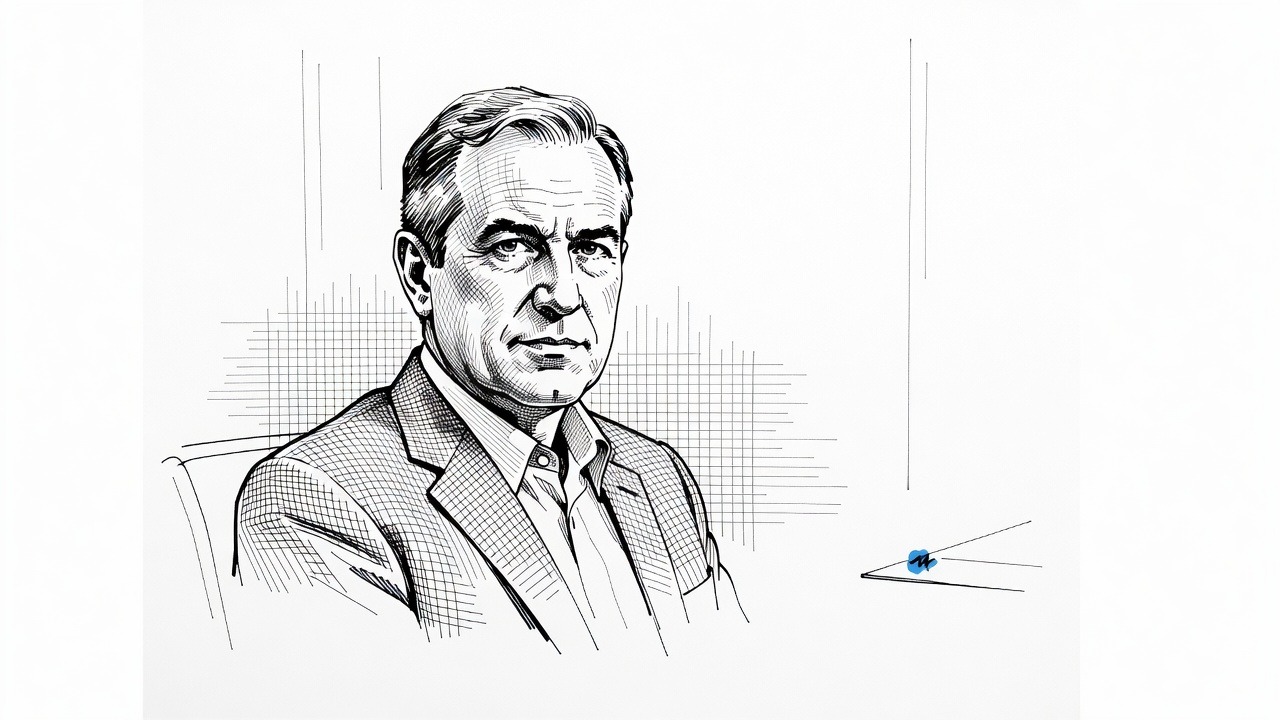
Eleven days. That is how long a man who runs one of the most valuable companies on earth was gone before the president of the United States helped carry him back through the door.
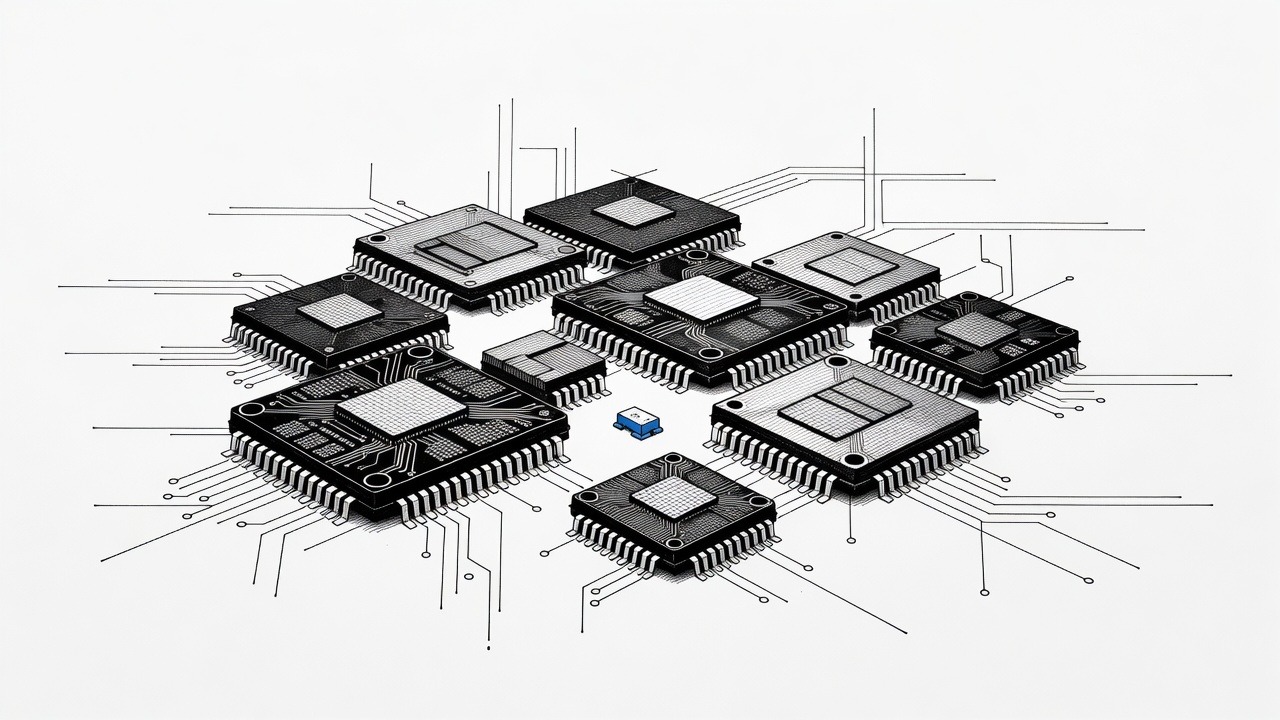
Start with what is not our business. An extramarital affair is a private failing, and if it were the whole story, a CEO's return would be a matter for his board and his family. But the story says the departure followed controversies involving chips, and chips are public business. Nvidia's products sit at the center of the fight over who builds the most consequential technology of the century. Decisions about who may buy them are decisions about American power, taxpayer-funded research, and the global economy.
So consider the justification. A U.S. official says Huang's return will preserve our edge over China, strengthen national security and keep the future of AI American. That is not a governance argument. It is a claim that one executive is a strategic asset of the state. Once you accept that, no board, regulator or voter can touch him. Whatever he did becomes secondary to what he is said to be worth.
The Left has watched this before. Banks were too big to fail, and now individuals are too vital to question. The phrase "national security" has become the all-purpose solvent for accountability. It is also strikingly flexible. This administration has talked tough about China while treating export controls as a bargaining chip. Washington's arrangement to take a cut of Nvidia's China chip revenue turned a security restriction into something closer to a toll booth. If the technology is so dangerous that one CEO's presence is a matter of national survival, why is access for sale?
The strongest counterargument is real. Huang built Nvidia, there is no obvious successor, and a chaotic leadership vacuum could rattle markets and harm the workers and shareholders whose pensions are tied to the stock. Fine. That is an argument for a succession plan and a board that does its job. It is not an argument for the White House to weigh in on who runs a private company, especially a president who rewards loyalty and punishes critics.
That is the danger. When the state and a corporate champion become this intertwined, the public gets neither real oversight nor real markets. It gets a favor economy in which the powerful are indispensable, the rules are negotiable, and the rest of us are told to trust that it is all for the flag.
If Huang's return is truly about national security, someone should explain it in public, under oath, with the chip sales on the table.