Donald Trump has set a very convenient bar. China and Russia, he says, aren't really involved in the Iran conflict, because involvement means firing weapons. Sharing intelligence doesn't count.
That isn't how modern war works, and Trump knows it. Targeting data, satellite imagery and surveillance are the nervous system of any military campaign. Washington's own intelligence support for Ukraine was treated, rightly, as a major act of war-fighting. Trump's words concede the point. By separating intelligence-sharing from "armed intervention," he implies the first is happening and has decided it doesn't matter. He then adds that America spies on other countries too, as if mutual snooping makes everything normal. That is no answer to whether Beijing or Moscow is helping a government that is in a shooting conflict with American interests.
Then comes the most remarkable claim: that Xi and Putin want the conflict to end and are helping him get there. Putin is prosecuting a war of conquest in Ukraine. Xi's government has spent years deepening its ties to Tehran as a source of discounted oil and a thorn in Washington's side. Trump asks us to believe both men have become neutral peacemakers because they were nice to him on the phone. His account of the Xi call was that it was "positive." That is a vibe, not evidence.
The pattern is familiar. Trump treats foreign policy as a personal relationship with strongmen, and the relationship must always be described as going well. If Xi is helping Iran, Trump has to confront Xi, which could jeopardize the trade truce he wants to sell as a win. If Putin is helping, the story of the great dealmaker falls apart. So the facts get downgraded to fit the brand.
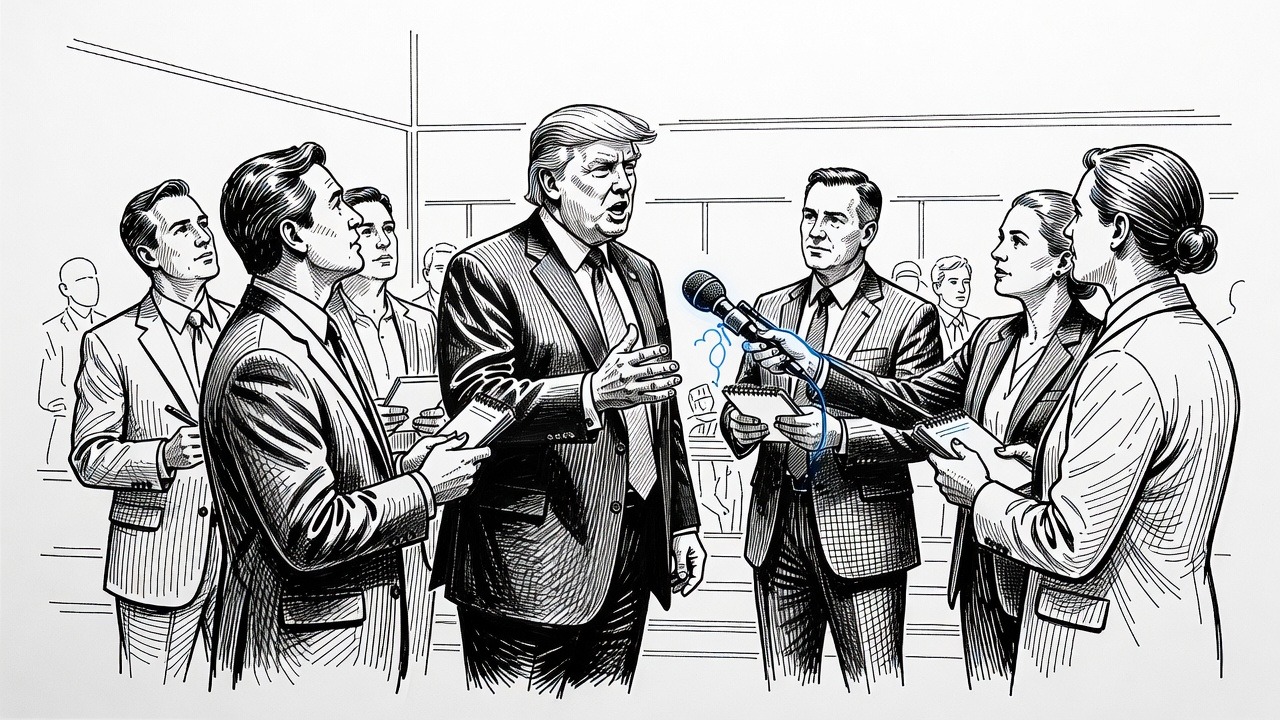
The cost is borne by everyone who isn't in the room: service members who may face adversaries with better information than they were told, allies who need an honest picture, and a public that has been asked to trust one man's account at a club in Florida.
This is where Congress and the Democratic opposition should be loud. Not hawkishly loud, as if the answer to every crisis is escalation, but demanding in the old-fashioned way. What does the intelligence community actually assess about Chinese and Russian support? Under what authority is the United States acting? What was promised on those calls? A president who can wave away a great-power dimension of a war with a casual sentence shouldn't get to define the terms of the debate, or the truth, on his own say-so.