The Israeli military's statement on Jalud is worth reading closely, because of what it condemns and what it doesn't.
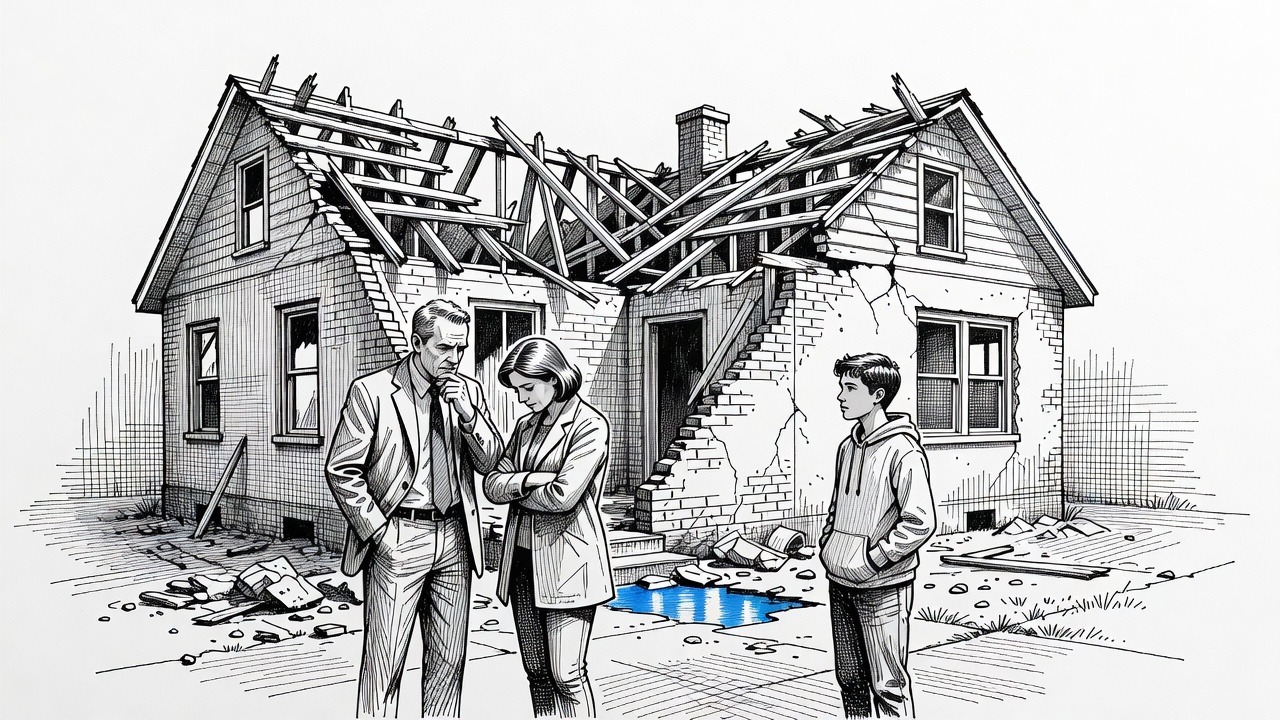
The Tubasi family's home was torn down with heavy machinery. The army says it was done by "suspects" using "civilian machinery," without military or government authorization. Central Command's chief, Maj. Gen. Avi Bluth, called it illegal and a serious criminal act. Good. Say it louder. But notice the operative word: *authorization*. The demolition is condemned because the wrong people held the bulldozer.
That is the quiet scandal in the West Bank. The state demolishes Palestinian homes all the time, in the name of permits that Palestinians in Area C are almost never granted. When the army does it, there is a form, a stamp and a legal vocabulary. When a private crew does it, the army calls it crime. The family on the pavement sees the same dust and the same ruin. Only the paperwork differs. Official outrage at the second kind sits uneasily beside the routine practice of the first.
The army's statement doesn't name the suspects, and I won't pretend to know more than it says. But anyone who has followed the West Bank for the past few years knows what "civilian machinery" and "suspects" usually mean. They mean settler violence, which the UN and Israeli rights groups have documented rising steadily, in villages like this one. They also know what usually follows a stern condemnation: nothing. Israeli monitoring groups, Yesh Din chief among them, have found that only a small single-digit percentage of Palestinian complaints about settler violence end in conviction. Violence that is condemned in every press release and almost never punished is not a rogue phenomenon. It is a tolerated one.
The strongest defense of the army is that a senior commander is saying this on the record, and that this is not nothing. Fair. Commanders who say it plainly deserve credit. But credit is earned by arrests, indictments and convictions, and by making the next crew with a rented excavator think twice. A statement doesn't rebuild a house or deter anyone.
A government that wants to be taken seriously when it calls this a crime should prove it with prosecutions. It should stop demolishing homes by permit while condemning the same act by vigilantes. And it should tell the Tubasi family who will pay to rebuild. If the answer is "no one," then the condemnation is theater, and the family knows it better than any of us.