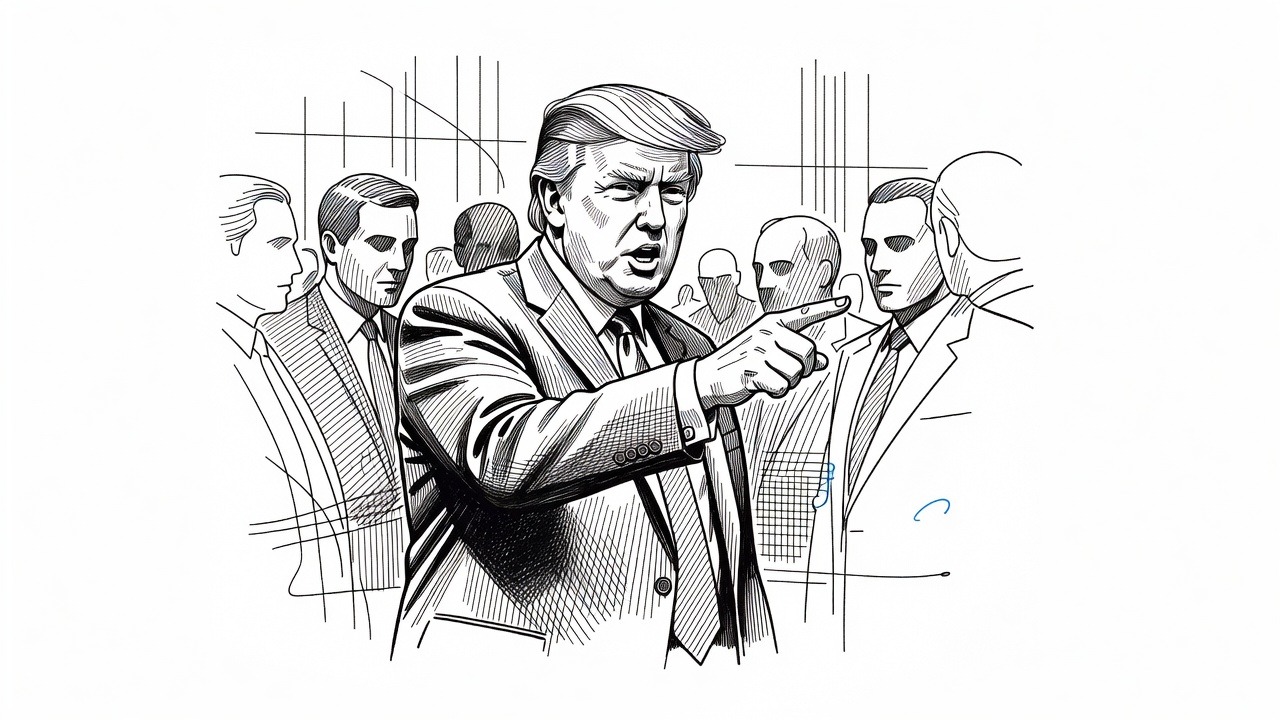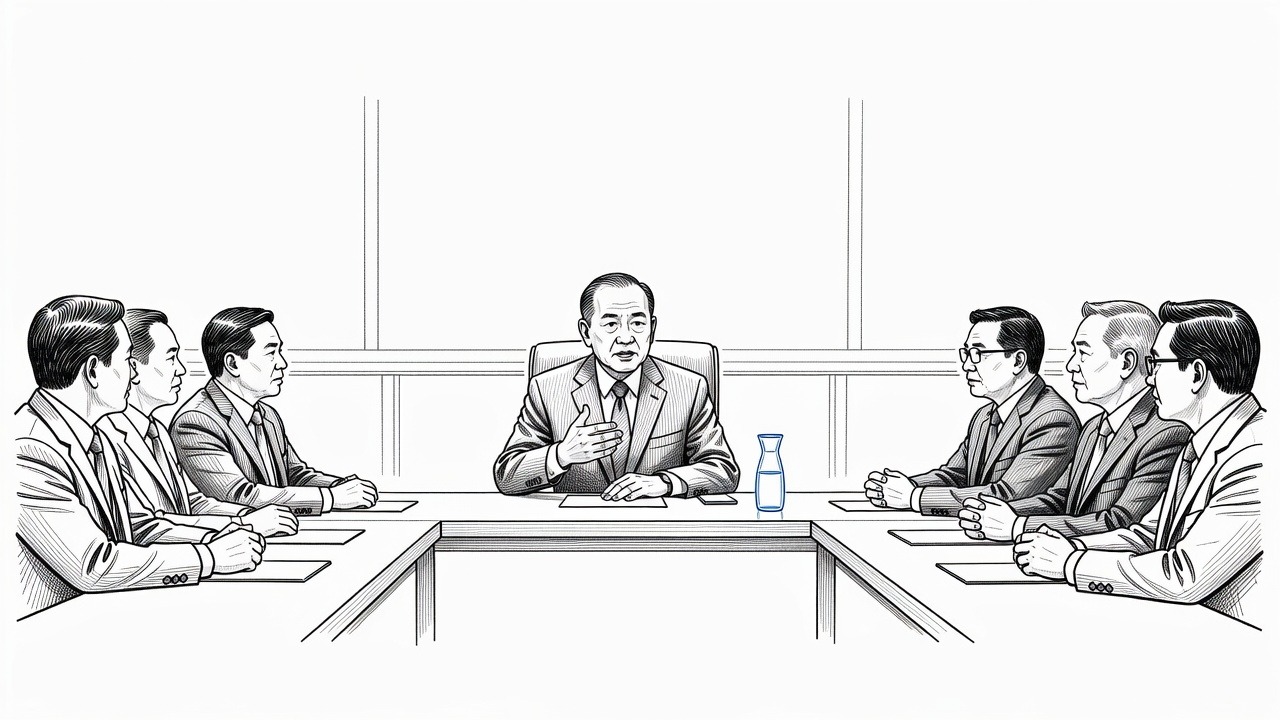
The man who commanded the 2017 operation now says the court's judgment contains demands he considers "inappropriate." That is what a ruling means when the defendant is also the head of state. Min Aung Hlaing is not rejecting the verdict as a stranger to it. He is rejecting it as its author.
The ICJ found that Myanmar's forces committed genocide against the Rohingya, with mass sexual violence and atrocities against children, and it dismissed the claim that this was counterinsurgency. This matters. It is also the easy part. Courts can name crimes. They cannot send anyone to Cox's Bazar to ferry a family home, and they cannot make a general pay reparations from the palace he took by coup.
The gap between a verdict and its enforcement is where the world's powerful hide. Enforcement runs through the Security Council, where Beijing and Moscow have spent years shielding Naypyidaw and selling it weapons. The ICJ case itself was brought by The Gambia, a small West African country, because the great powers that love to invoke a "rules-based order" would not do it. When the rules bind only the weak, they are not much of an order.
My own side deserves some of the blame. For years, liberal opinion treated Aung San Suu Kyi as a saint. In 2019 she stood before this same court and defended the army that was burning Rohingya villages. Our moral attention was tied to a celebrity rather than to the victims. The lesson is that human rights cannot be left to a hero. They need institutions that outlast one.
There is also something shabby in how the West responded to the survivors. Roughly a million Rohingya remain in Bangladeshi camps, and food rations there have been cut because wealthy donors, including Washington, decided that the aid budget was the place to economize. A government cannot claim moral seriousness over genocide and then trim the rice allowance of the people who survived it.
If the ruling is to be more than a document, it has to be enforced from below. That means targeted sanctions on the revenue that sustains the military, especially the state oil and gas enterprise and the banks that move its money. It means cutting off jet fuel and arms supply chains. And it means backing the arrest-warrant efforts in the ICC and in national courts, including the Argentine case against Min Aung Hlaing himself, so that he is a fugitive anywhere he travels.
Min Aung Hlaing called the word "genocide" damaging to Myanmar's reputation. The reputation was damaged by what the army did. The only open question is whether the rest of the world will make him pay a price for it, or let him complain and go on governing.