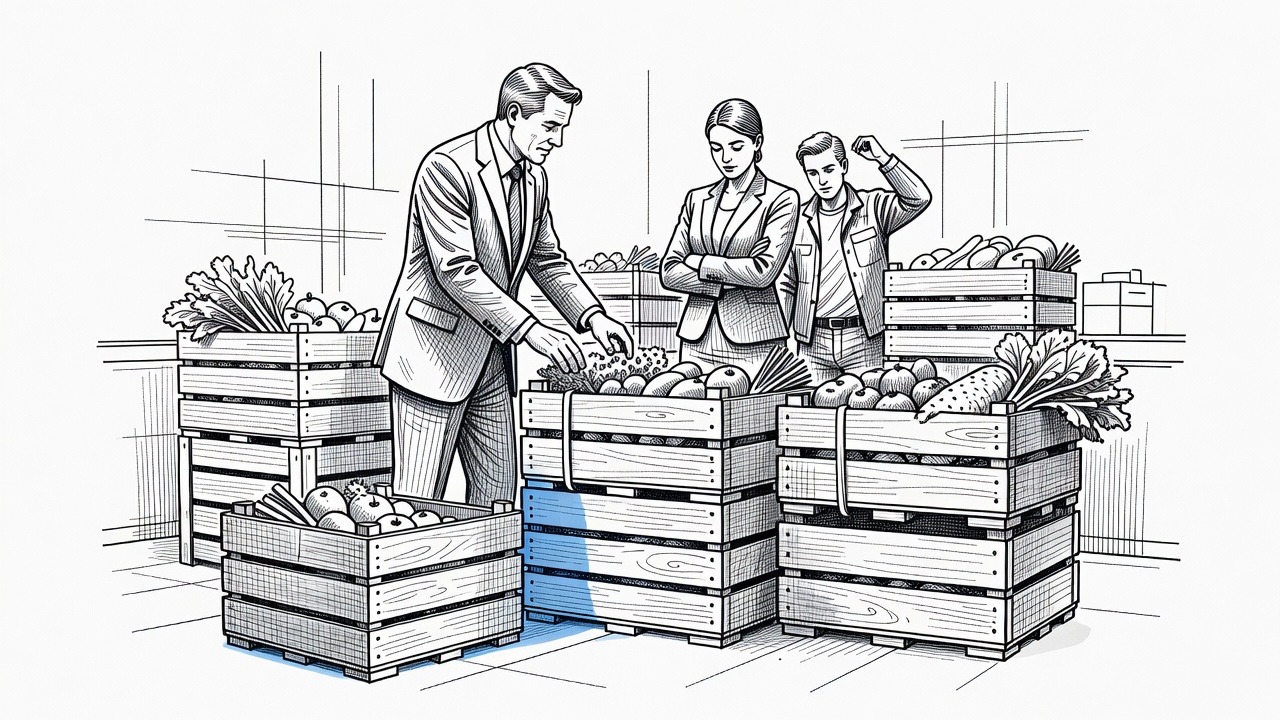
When a farm minister in Taipei must hold a briefing to tell growers that 322 products are still exempt from American tariffs, and that the 15% cap Washington floated is "not final," you are watching a trade policy that works like a mood.
The Office of the U.S. Trade Representative proposed a 15% ceiling for Taiwan in a report covering 16 economies. Taiwan's ministry says the current duty on its farm goods is 10%, and that the exemptions, which cover roughly 36% to 40% of its agricultural exports to the U.S. by value, were won in negotiations earlier this year. Notice what those facts describe. Nothing here is a rule. It is a series of private deals, each good only until the next announcement. Taiwan's reward for bargaining well is the right to keep bargaining.
The Left has its own argument about tariffs, and it should not be shy about it. Decades of unregulated trade hollowed out American manufacturing towns, and unions that say so are right. A serious industrial policy would tie tariffs to wages, labor rights and emissions, and it would be written by Congress and built to last. This is the opposite: broad, executive-driven levies, relief dispensed by negotiation and favor, and a long line of governments and corporations hiring lobbyists to find the exits. Predictability is a public good, and the people with the fewest lawyers lose it first.
Meanwhile, who pays? Tariffs are taxes collected at the border from American importers, and the cost tends to flow down to the shelf, the restaurant and the household budget. Taiwanese farmers, many of them small operators far from any negotiating table, absorb the rest through lost orders and uncertainty. Calling this "leverage" does not change the arithmetic.
Then there is the geopolitics, which the administration's defenders prefer to skip. Taiwan is a democracy of 23 million people living under a standing threat from Beijing, and its security rests on American credibility. Treating it like a competitor to be squeezed, in the same report as China, tells every ally that Washington's commitments come with an invoice. That is a strange way to defend a democracy.
And consider the quote that closes the story. Chinese officials say tariff wars serve no one's interests. They are authoritarian, they are cynical, and they are right about this, and the American government has handed them the chance to sound like the adult in the room.
Democrats should stop answering with nostalgia for the old free-trade consensus. The answer is a trade policy that is legislated, transparent and aimed at workers, not at headlines.
How it may affect me
Tariffs are paid by U.S. importers and often passed on to shoppers, so the 322 exempt Taiwanese farm products are less likely to see price increases from this proposal. Because the 15% cap is not final, prices on non-exempt goods could still shift.