Read the Beige Book's list of culprits slowly: energy, transportation, healthcare, insurance, tariffs, and now chips and power equipment strained by the AI buildout. Not one item is a story about workers getting greedy. Every one is a story about who gets to pass costs downhill.
Start with tariffs, because the administration's defense has always been a sleight of hand. We were told foreigners would pay. The Fed's own business contacts say otherwise: importers and retailers are reporting tariff costs, and those costs land on shelves. A tariff is a sales tax with a flag on it, and it falls hardest on families who spend most of their paycheck on goods. Core inflation at 3.3% is not a ghost. It is a policy with an author.
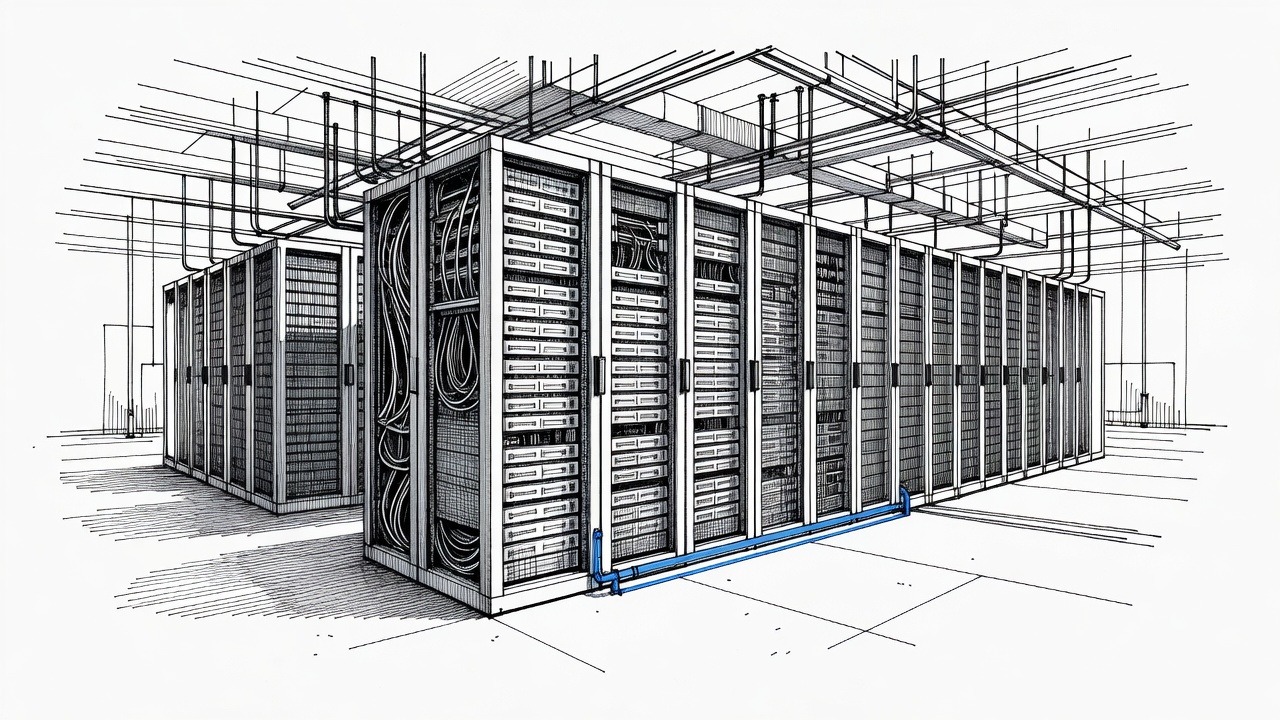
Then there's the part of this story that should make every ratepayer furious. Data centers are tightening supplies of power components, and the demand for electricity is already showing up in utility bills in parts of the country. The AI boom is being sold as national destiny, built by some of the richest companies on earth. Yet the pattern in American utility regulation is familiar: build for the giant customer, spread the cost across everyone on the grid. If a trillion-dollar firm needs a power plant, it should pay for the power plant. Instead, a retiree in Ohio may find herself subsidizing a chatbot.
Healthcare and insurance deserve the same scrutiny. These are not free markets that overheated. They are consolidated, opaque sectors where price increases arrive every January with the force of natural law. Households have no leverage in them, which is exactly why they keep rising.
Now the uncomfortable part for my own side. "Affordability" is not a program. Democrats cannot just point at the grocery receipt and expect gratitude. We need specifics: make large power users cover their grid costs, go after insurer and hospital pricing power, and demand tariff exemptions for necessities instead of letting the White House hand out favors case by case.
And beware the old reflex that inflation always means the economy needs to be chilled. With four of twelve Fed districts reporting no growth at all, squeezing demand further would punish workers for price increases they didn't cause. Interest rates cannot fix a tariff or build a transformer.
The lesson of this data is that inflation is political. Someone chose these costs. The question is whether voters will be told who.
How it may affect me
Your biggest exposure is likely utilities, insurance and health premiums, not just groceries. Check whether your state utility commission has a pending rate case tied to data-center demand; public comment periods are open and often decisive. At open enrollment, compare total yearly costs, including deductibles, rather than premiums alone.