The most revealing line in this story is not from a regulator. It comes from Nvidia, whose executive said the company expects continued financial strength because demand for its hardware exceeds supply.
That is the sound of a company that does not fear a national-security rule, because it can sell every chip it makes to someone else. It is also a reminder of who actually sits at the center of American AI policy. It is not Congress, the public, or the workers and communities who will live with the consequences. It is a handful of firms whose quarterly earnings now decide how seriously Washington treats a technology it calls vital to national defense.
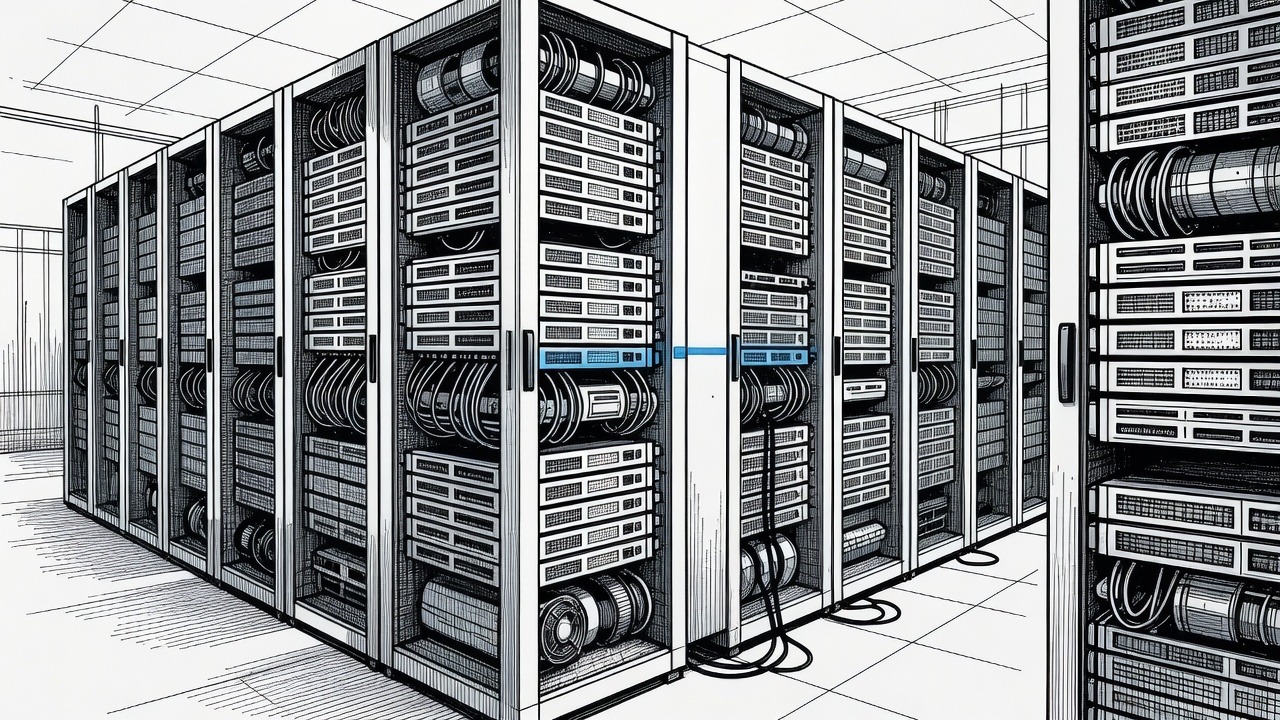
The rule itself is defensible. The Commerce Department is closing the cloud loophole: if China-linked clients cannot buy advanced chips, they should not be able to rent the same computing power from a data center in a third country. Cloud providers must now get licenses and verify their customers. A control regime that bans the product but leaves the rental market open is a fig leaf, and the people who wrote this rule understood that. The Left has no reason to treat every restriction on China as Cold War theater. The same computing power that trains chatbots can power mass surveillance, and the Chinese state's use of it against Uyghurs and dissidents is a documented abuse. A progressive politics that cares about authoritarian repression cannot shrug at who gets the tools.
But a rule is only as credible as the government's willingness to leave it alone. Here the record is bad. This administration has treated chip access as a bargaining chip, at one point allowing Nvidia to sell certain China-bound chips in exchange for the government taking a cut of the revenue. If a security restriction can be lifted for a fee, it is not a security policy. It is a toll booth. Citizens are asked to believe that the same technology is too dangerous to sell until the price is right.
The market is already showing how this works. One marketplace operator says chip listings rose after the rule, and at least one firm cited the regulation as its reason for selling inventory. Some of the actors holding scarce hardware are deciding how to cash out before the licensing regime bites. Nobody voted on that. Nobody in those transactions is accountable to anyone but investors.
The strongest objection from the other side is serious. Export controls can accelerate Chinese self-reliance, as Huawei's push into domestic chips suggests, and they cost American companies revenue and scale. That is a real tradeoff, and the Left should not wave it away. But the answer is not to abandon the controls. It is to make them coherent and public: clear rules, transparent licensing, independent enforcement, and no revenue-sharing side deals. If the argument is national security, the policy cannot also double as an industrial-policy gift or a negotiating chip.
There is also a question the Left should force into the open. If AI computing is strategic enough to require licensing and end-user verification, it is strategic enough to deserve public oversight at home. We are restricting China's access to a resource whose benefits, risks and enormous energy demands are being allocated almost entirely by private firms. The same government that says this infrastructure is critical to the nation has no real public stake in it, no meaningful say over where it goes, and no plan for who absorbs the costs when the boom turns.
So yes, close the loophole. But do not mistake a licensing deadline for a strategy. Real security cannot depend on whether Nvidia's order book is full or whether a White House deal is on the table. If the restriction matters, defend it when it is inconvenient to shareholders. If it does not, stop pretending.