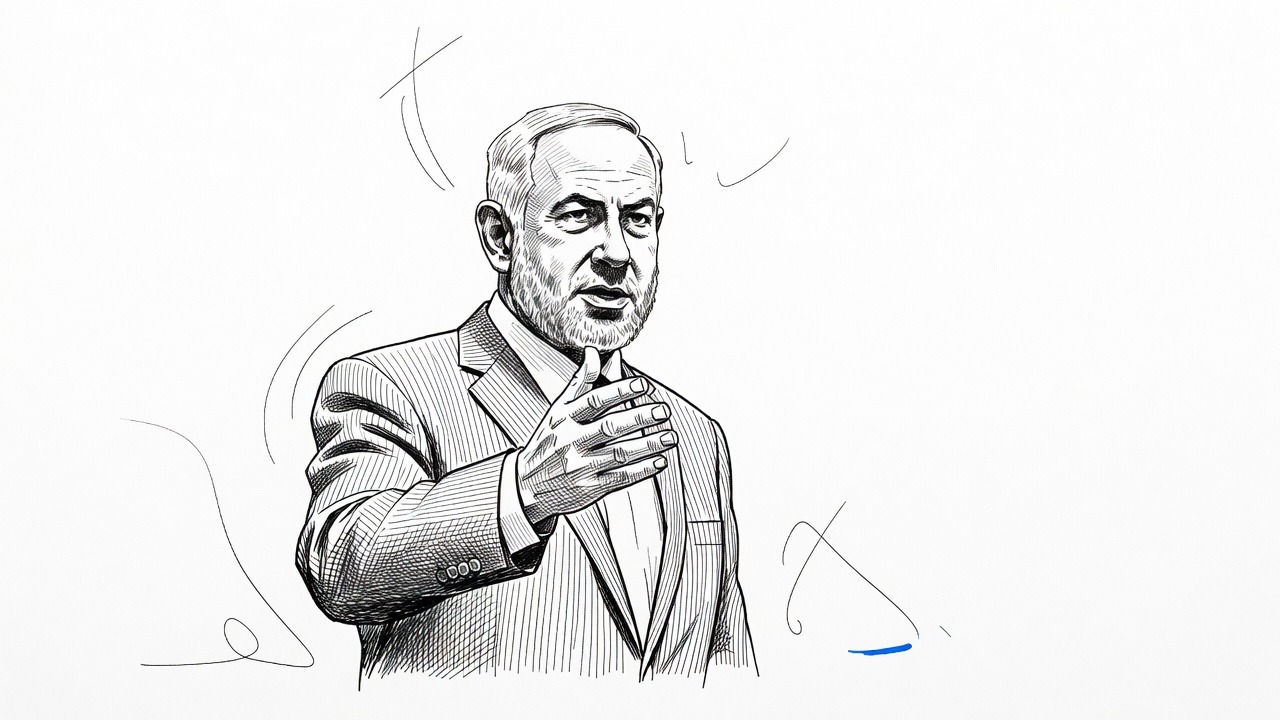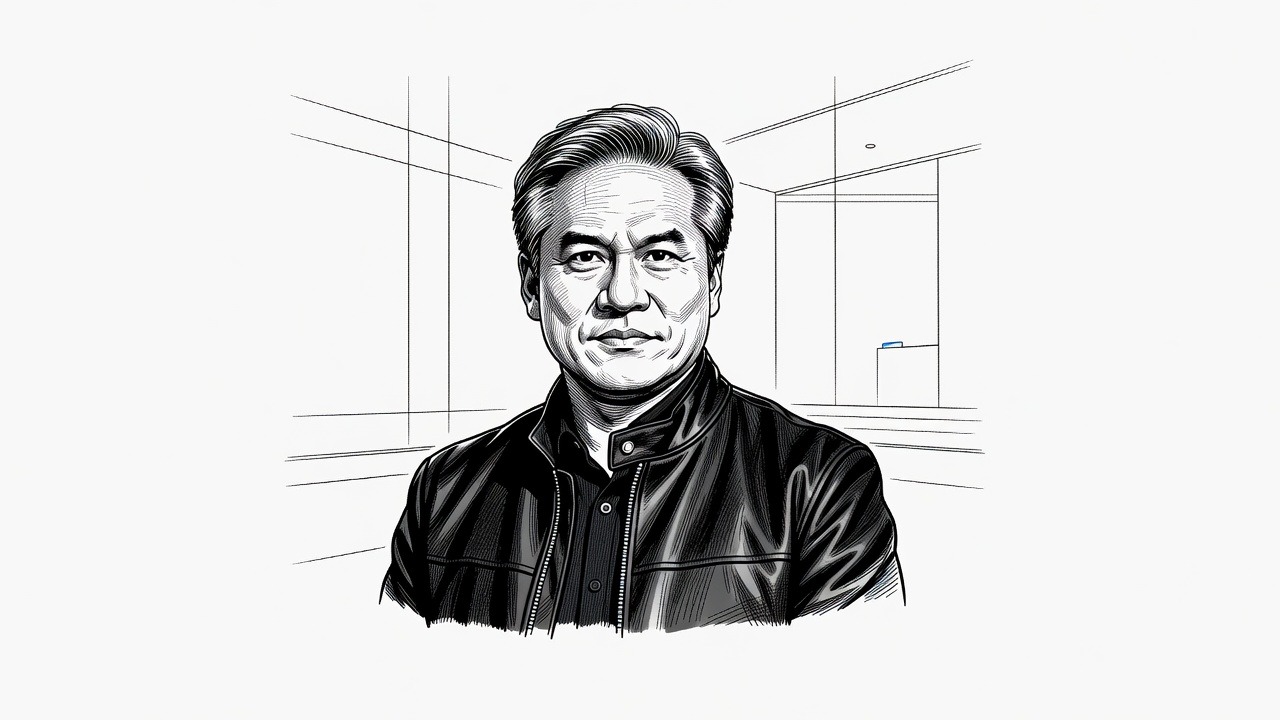
Read the story again and notice what it does not tell you. Jensen Huang, CEO of the company whose chips sit under the entire artificial intelligence boom, "returned to work." We do not learn from the facts we have why he was away, what "reinstatement" means, or what error was corrected. What we do get is a photo posted by an investor, a billionaire with his two sons at corporate headquarters, and a one-line verdict from that billionaire on X.
That is the story, and it is the scandal.
Nvidia is not a normal company. It is a chokepoint. Whoever runs it influences who gets the processors that decide which AI labs, which governments and which business models win. When the person at that chokepoint is the subject of a status change that the public learns about through Elon Musk's commentary, something has gone wrong with how we understand power. Musk is not a bystander. His company xAI is one of the hungriest buyers of Nvidia hardware. He announces that "an error had been corrected," as if he were the compliance department. Maybe he is just a loud fan. But a customer with that much appetite and that big a megaphone shouldn't be the one defining reality for a company this important, and a public company's shareholders and the wider economy deserve better than a vibe check on social media.
I am not claiming a conspiracy. I'm saying the facts are so thin that the picture itself is the argument. A handful of men, who all know each other, now control the infrastructure of the next economy. They settle questions about it in public posts, with their children in the frame, in a tone of casual ownership. There is no disclosure, no explanation and no accountability, just a smiling photo and a verdict.
The Left should care because we have seen where this goes. xAI's data center in Memphis ran methane gas turbines that neighbors, the NAACP and the Southern Environmental Law Center said were operating without proper permits, in a part of the city that already breathes some of the dirtiest air in Tennessee. That is what the hardware boom looks like from the ground. The chips are celebrated as destiny, while the pollution and the grid strain land on communities with the least leverage to object. The people who decide whether this buildout is done carefully or carelessly are the same few executives, and their relationships matter more than any rule we have written for them.
The Right will say this is a private company, a private matter and a private friendship, and that markets will sort it out. But markets sort things out only when information is public, and here it is not. Libertarians who demand transparency from government should demand at least a plain statement from a corporation worth trillions of dollars. A board that lets a rival-turned-customer narrate its CEO's standing has abdicated something.
The lesson is not about Huang or Musk, whose friendship is their business. It is that our most consequential economic institutions now behave like court politics, and the press is reduced to relaying the courtiers' posts. Treating a company this central as a private club is a policy choice, one we keep making by default. Disclosure rules, board accountability and environmental enforcement for the AI buildout are not anti-innovation. They are the minimum price of letting a few people hold this much of the future.
Until someone explains what the error was, the honest headline is not "returns to work." It is that we have no idea who decides.