The court may well be right that the Army should blow up those barrels. That is the least interesting thing about this story.
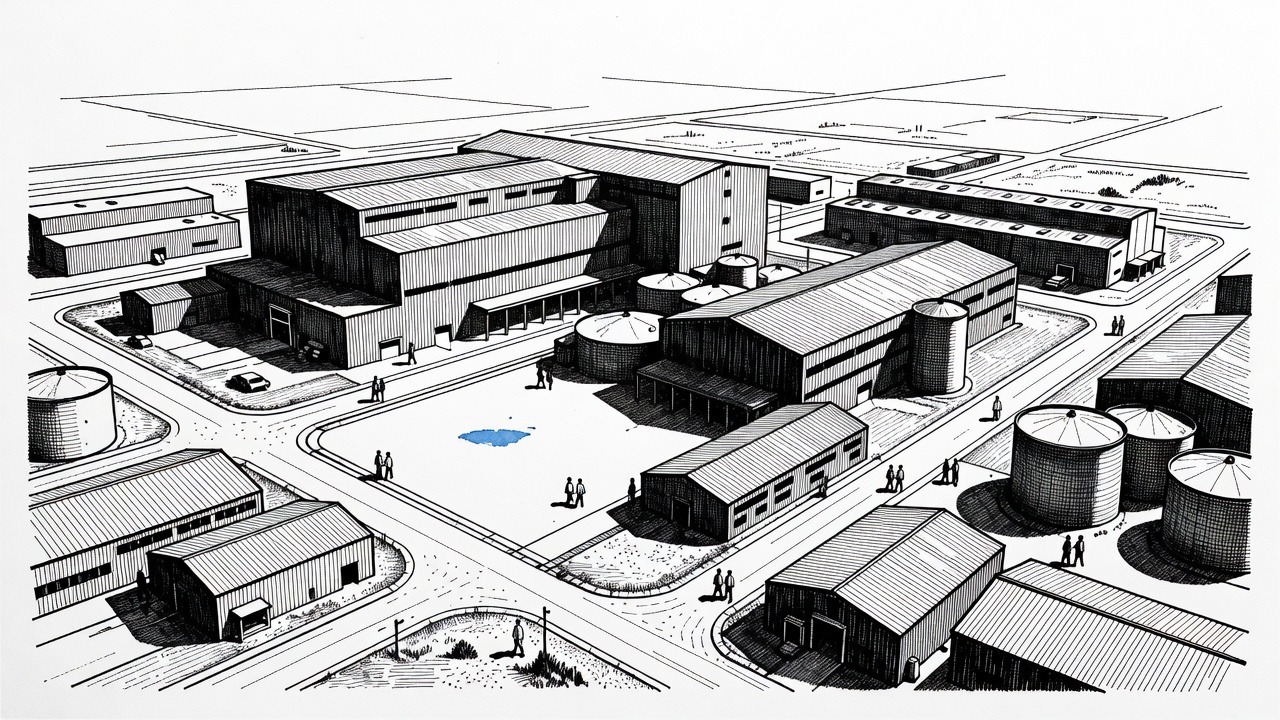
The interesting thing is how a federal agency got to the point where its only remaining option is to detonate 68 barrels of decayed lead azide in the middle of Iowa and ask the neighbors to trust it. Lead azide is a primary explosive, the kind of stuff used to set off other explosives. The Army says it is now too unstable to move down a road. Material doesn't deteriorate into that condition overnight. Someone stored it, someone let it age, and someone decided the problem could wait. Now the clock has run out, and the people who live downwind are told the emergency is so acute that their objections must yield.
That is the oldest trick in the institutional playbook: create the crisis through neglect, then cite the crisis to shut down scrutiny. The 8th Circuit did what courts usually do when the military says it is in a hurry and the alternative is a bigger bang. It deferred. It acknowledged the risks of a controlled blast and then pointed to the risk of an accidental one. Fine. But "less bad than the disaster we let happen" is not a clean bill of health, and it should not be treated as one.
Because the other cost here is lead dust. There is no known safe level of lead exposure, and children absorb the worst of it. The Army's assurance that the operation is controlled is exactly what we should expect it to say, and exactly what we should verify. Verification is the point. Who is monitoring the air and soil, independent of the Army? What are the thresholds, and who has the authority to halt the operation if they are exceeded? What happens to a farmer whose land tests dirty next month? These are not obstructionist questions. They are the minimum price of asking a community to absorb a toxic risk it did not create.
Iowa's governor-elect, Rob Sand, asked federal officials to share information about the decision with the public. Notice how low that bar is. A state's incoming chief executive is publicly requesting basic transparency about a military detonation on his state's soil. If that request is even necessary, the system is already failing.
Then there's President Trump, who says he told the Army to wait for the court. Presented as respect for the rule of law, it is closer to a confession of who is in charge. This is an administration that has spent its time in office shrinking the federal environmental and public-health apparatus that would ordinarily stand between a rural county and a mess like this. You cannot gut the referees and then ask for credit for waiting on the judge.
The pattern is familiar. Military sites across the country have left behind contamination and unexploded hazards, and the cleanup bill and the health risk usually fall on small, rural, politically quiet places. Southeast Iowa does not have the lobbyists to demand better. It has a court order and a press release.
So detonate if you must. But the Army owes the public more than permission. It owes independent monitoring, real-time data, a plan for medical testing and a binding commitment to pay for whatever the blast leaves behind. A federal agency that stores a hazard until it can't be moved has already used up its claim on public trust. It should have to earn it back in the open.
How it may affect me
If you live near the Iowa Army Ammunition Plant in Middletown, watch for county and state emergency notices about the detonation. Local officials may issue guidance on staying indoors or closing windows. Afterward, wash garden produce and children's hands and toys, and ask your pediatrician about lead testing for young children if you have concerns.