Start with the caveat, because the report's critics will. Oxfam and the Conflict and Environment Observatory worked from satellite imagery and remote sensing. They found "signs of potential contamination," not lab-confirmed poison in a specific well. Anyone who says otherwise is overstating the evidence.
But look at who is responsible for the gap between "potential" and "confirmed." The same blockade that restricts relief supplies restricts the soil samplers, water-testing kits, labs and heavy equipment needed to find out how bad things are. Israel says heavy machinery could be used by Hamas. That concern isn't invented. Hamas has used civilian infrastructure for military ends, and no serious person denies it. But a security rationale does not become unlimited because it is sincere. When it covers the machinery to clear rubble, repair sewage lines and sample for toxins, it is no longer a screening policy. It is a decision that the consequences of the war should go unmeasured, and therefore unaddressed.
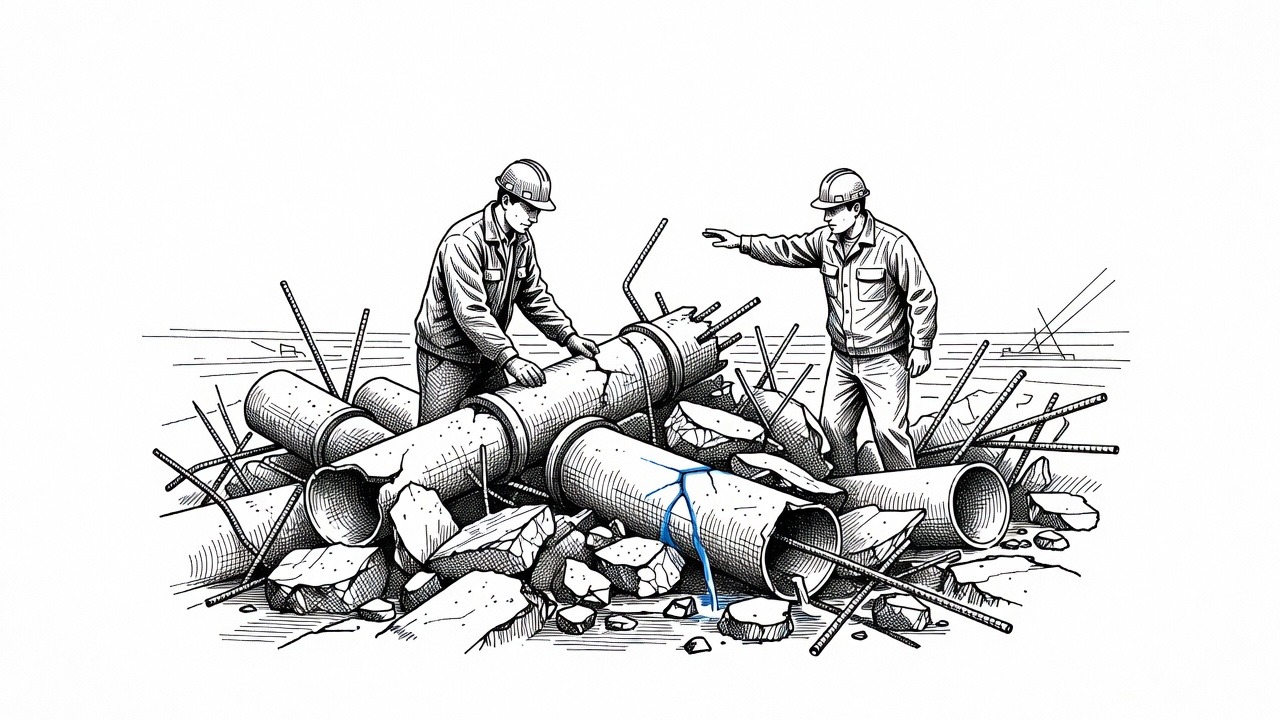
This is what makes environmental damage in Gaza so grim. It outlasts any ceasefire. Pulverized buildings can release asbestos and other hazardous dust. Wrecked sewage and water systems send waste into soil and groundwater. Bombed industrial sites, farmland and waste facilities leak into the same aquifer people depend on. Unexploded ordnance sits in the rubble. Nearly all of Gaza's people have been displaced at some point, and many now live on top of this. They are the ones who will carry it in their lungs, water and food chain, and children will carry it longest.
The usual response is that war is ugly and Hamas started this one. Hamas did start this war, with the atrocities of October 7, and its leaders bear responsibility for what they invited. But that does not answer the question of what Israel, as the power controlling what enters Gaza, owes the civilians who live there. International humanitarian law, whatever the lawyers argue about occupation status, does not switch off because the enemy is monstrous. A civilian population's right to clean water is not a reward for good government. Collective punishment is exactly what the law was written to forbid.
The Left should say this plainly and also look at itself. For two years, much of Western politics has treated Gaza as a debate over adjectives, genocide or not, while the concrete questions went unasked. Who pays for cleanup? Who certifies that the water is safe? Who lets inspectors in? Environmental groups that call every pipeline a moral emergency have been strangely quiet about a place where the toxic legacy is of historic scale. Democratic officials who keep sending weapons while voicing "concern" about humanitarian conditions should be asked what leverage they have actually used. Concern is not a policy.
The demand is concrete, and it is not radical. Allow independent assessment teams in. Allow equipment in under verification regimes that address the legitimate security risk instead of hiding behind it. Fund a real monitoring and cleanup effort, with Israel, Gulf states, the U.S. and Europe paying their share. If the worry is Hamas diverting equipment, build inspection into the system. Israel has the technical capacity to do that, and refusing to try suggests the point is the denial itself.
A society can be bombed once. Poisoned ground keeps hurting people for years. If we won't even look at what has been done to Gaza's land and water, we are choosing not to know, and that choice will have victims too.