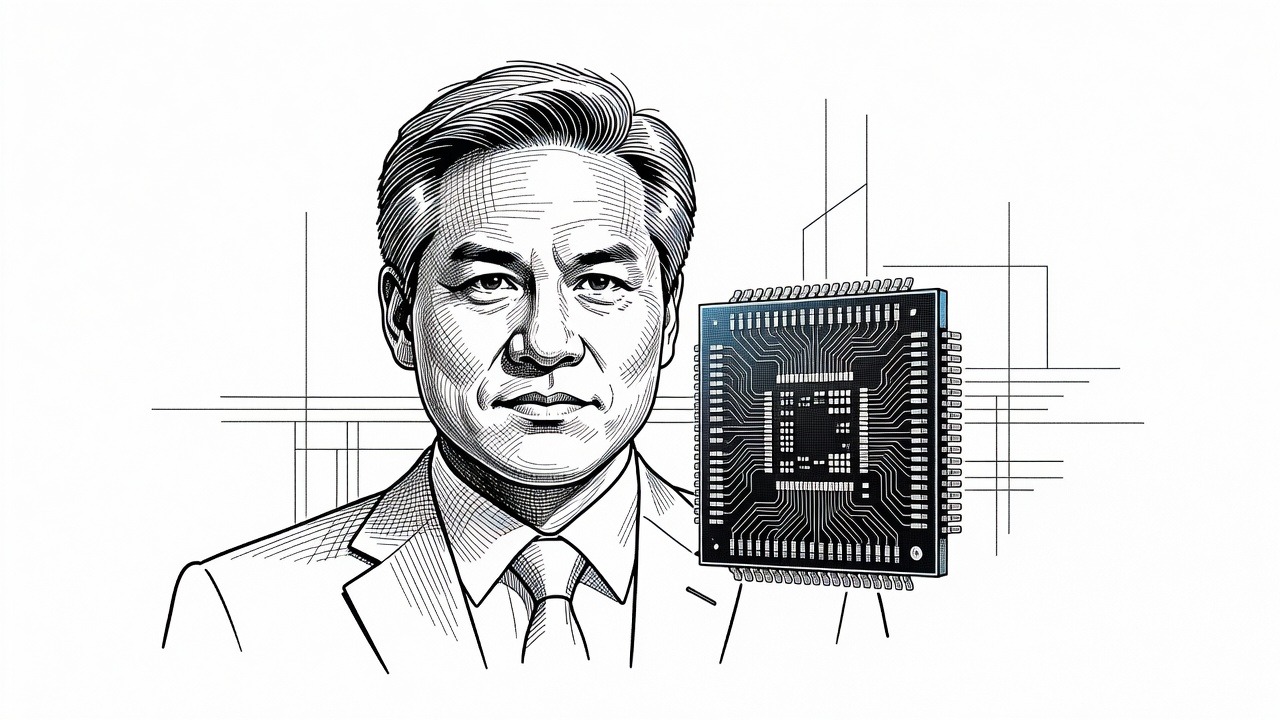
Let's skip the tabloid part. A chief executive's personal relationship with a person now under federal scrutiny is gossip until someone proves it mattered. Singapore's police found insufficient evidence to charge Alice Huang over declarations, and Megaspeed says it operates lawfully. Those denials deserve to be taken seriously. Investigators, not columnists, should decide who broke the law.
The larger scandal is in plain view. Washington has built an export-control regime that depends on the honesty of the companies profiting from evasion, enforced by an agency that has never had the money or muscle to match the market it polices. Then the same government treats the rules as a bargaining chip.
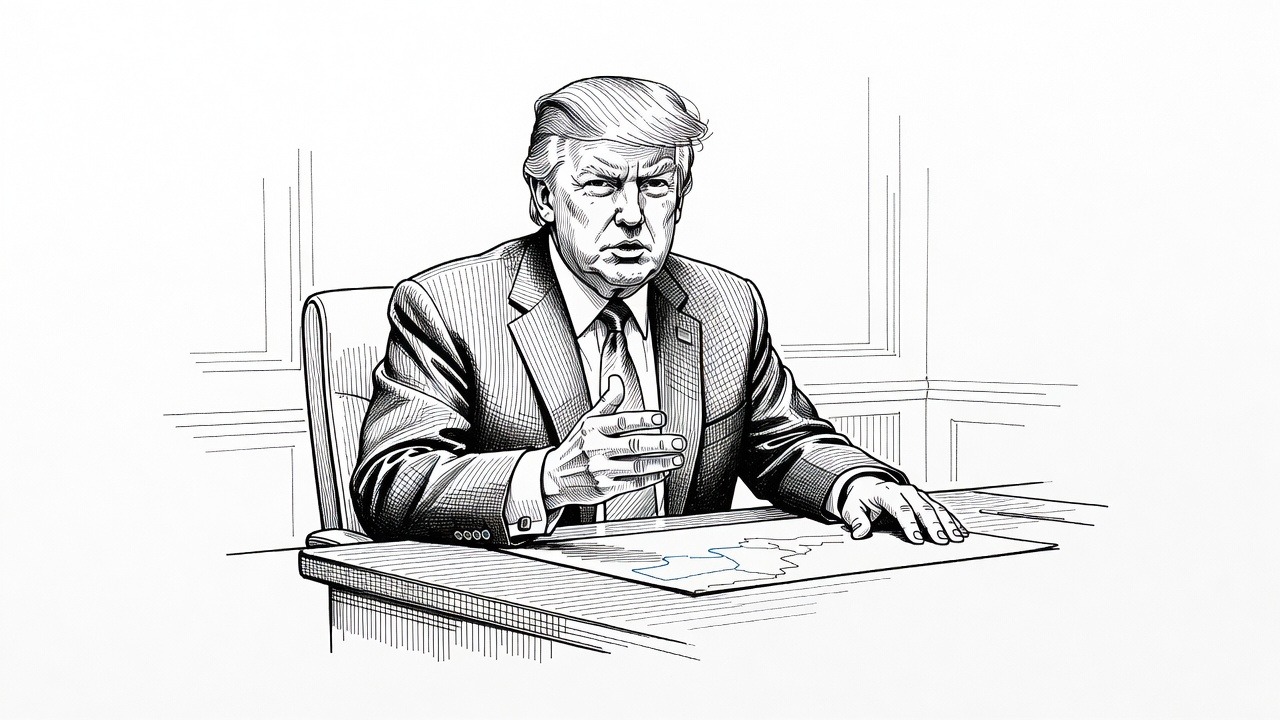
Consider the sequence. The United States said the most advanced AI chips were too dangerous to flow freely to China because they power military modeling, surveillance and weapons development. Nvidia, whose valuation depends on selling as many of them as possible, lobbied relentlessly against the limits. Its chips kept turning up in Chinese hands through intermediaries in Singapore, Malaysia and elsewhere, shell companies and rented data-center capacity. Meanwhile the Trump administration moved from enforcing restrictions to monetizing exemptions, reportedly accepting a government cut of China chip revenue in exchange for licenses. Call it what it is: a national security policy with a price tag, negotiated with the beneficiary.
That is not hawkishness. It is a toll booth.
The Right likes to say it is tough on China. Fine. Then explain why the toughest instrument available, controlling the hardware of the AI race, has been left to an honor system. Cloud brokers can rent compute to anyone, and corporate chains of ownership can be arranged to look like a puzzle. Enforcement officials chasing them are outgunned by an industry worth trillions. If Congress is now asking intelligence agencies what they know, it is asking a question it should have funded an answer to years ago.
My own side should not slip out of this either. Democrats have been right to attack chip-for-cash diplomacy, but too many treat the story as a Trump morality play and stop there. The deeper problem is bipartisan: Washington has let a handful of firms become so economically central that regulating them feels like sabotaging the stock market. Nvidia is now a pillar of retirement accounts, of the S&P 500, of the AI boom that politicians of both parties are terrified to puncture. When a company becomes too important to constrain, its compliance becomes voluntary.
The strongest counterargument deserves a hearing. Some serious people say export controls are leaky by nature, that China will build its own chips anyway, and that selling Beijing slightly older hardware keeps it dependent on American technology. That argument is not stupid. But it is a policy position that should be argued openly and decided by elected officials, not produced by lobbying, smuggling and quiet exceptions. You cannot claim the controls are essential when it suits a speech and negotiable when it suits a deal.
The remedy is not mysterious. Fund the Commerce Department's enforcement bureau like a serious agency. Require verifiable tracking and location checks on advanced chips. Impose liability on manufacturers and resellers who ignore obvious red flags, and make penalties large enough to register on a quarterly earnings call. Demand that any licensing deal be public, justified and voted on, not announced as a personal triumph.
If Alice Huang or Megaspeed broke the law, they should answer for it. But convicting one network will not fix a system whose basic design says: trust the seller, hope for the best, and make an exception if the price is right. A country that cannot say who is buying its most strategic technology does not have export controls. It has a suggestion box.