Let me start with the part my side will find uncomfortable: talking to Xi Jinping and Vladimir Putin about nuclear weapons is good. If China has truly joined nuclear risk-reduction discussions for the first time, that matters more than any tariff schedule or trade-deal photo op. Beijing is building out its arsenal, Moscow is rattling its own, and the architecture that kept the Cold War from ending in ash has been rotting for years. Arms control was a liberal cause when it was unfashionable, and it is not less important because Donald Trump is the one taking credit.
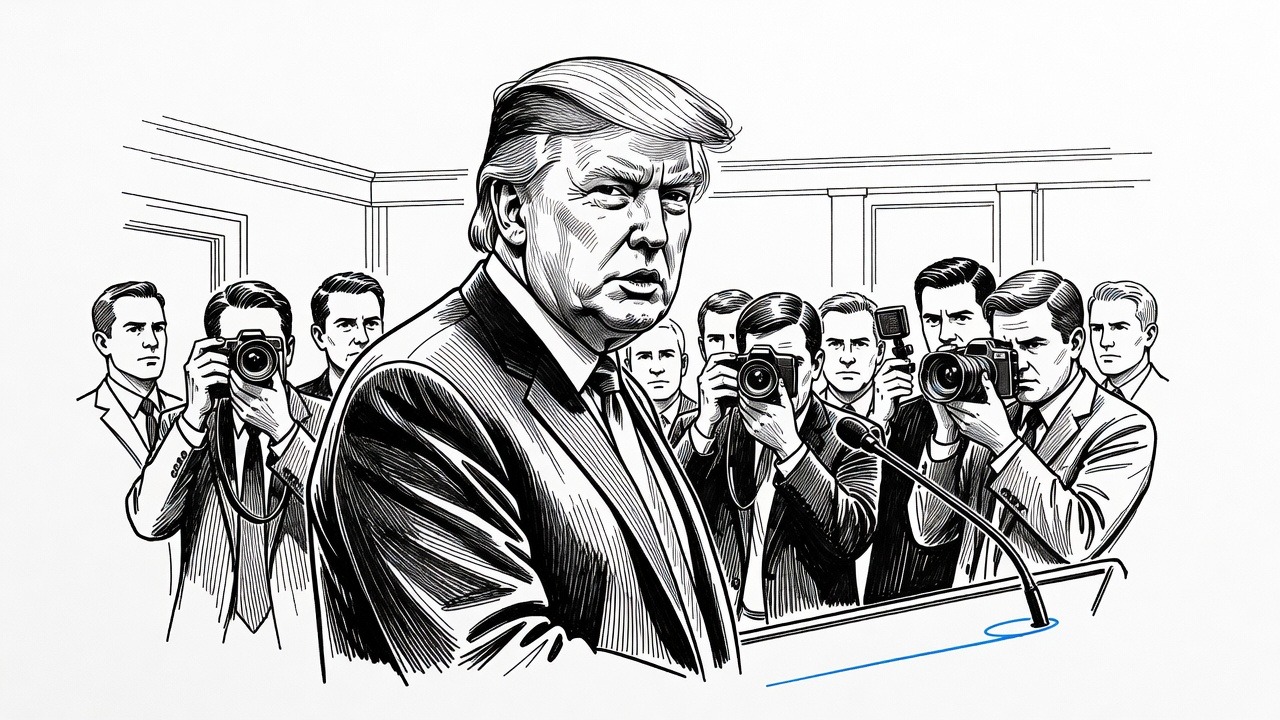
But notice who is taking the credit, and how. What we know about this declaration comes largely from Trump himself, at his own news conference, after his own tour. We have a name, a venue and a flattering adjective. What we have not been shown is a detailed text, a described way to verify compliance, or a single commitment with teeth. Until someone does, a "peace declaration" signed by the leaders of two nuclear-armed states, one of which is actively invading its neighbor, is not a peace. It is a press release with better lighting.
The Ukraine problem is the obvious one. The war was reportedly on the agenda, and the Ukrainians were not in the room. Putin is the author of that war. Treating him as a co-signer of peace, with the fate of a sovereign country discussed over its head, is not diplomacy. It is a spheres-of-influence deal, the kind great powers struck when they thought small countries were furniture. Anyone on the Left who spent years calling for negotiated settlements should say plainly that a settlement without Kyiv is not a settlement. It is a surrender with extra steps.
And the people who would have to build any real agreement are precisely the people this administration has spent two years driving out. Nuclear risk reduction is not a handshake. It is thousands of hours of tedious work by technicians, inspectors and career diplomats who know what a warhead count means and how to catch someone lying about it. Trump tore up the INF Treaty, quit Open Skies and walked out of the Iran nuclear deal, the one agreement that actually put a nuclear program under inspection. Now he arrives as the fire marshal, having personally removed the smoke detectors. He has also gutted the State Department that would have to do the follow-up. Declarations without diplomats are theater.
Taiwan's security officials make a fair point that the Right should not wave away and the Left should not either: Beijing used the summit to wear the costume of peace while it keeps expanding its military. They are right to be wary. But their remedy, deeper cooperation among democratic partners on maritime intelligence, supply chains, semiconductors and AI resilience, is exactly what Trump has spent his presidency undermining. He has taxed allies, insulted them and made them wonder whether Washington is a guarantor or a vendor. You cannot shake down your friends on Monday and ask them to trust your summitry on Friday.
The lazy options are both wrong. One is cheering because any talk beats no talk. The other is sneering because the man at the podium is Trump. The harder position is to demand that this become real. Publish the full text and show how compliance would be checked. Put Ukraine at the table. Bring in Congress, and bring in allies from Tokyo to Warsaw. Rebuild the inspection and verification machinery that makes a promise worth more than the breath it was made with. If a nuclear risk-reduction track with China exists, defend it from becoming one more prop in a president's victory lap.
The stakes are not abstract. Nobody gets a second chance after a nuclear miscalculation. A leader who wants the Nobel-adjacent glow of peace should be held to the unglamorous work that produces it. So far, all we have been shown is the glow.