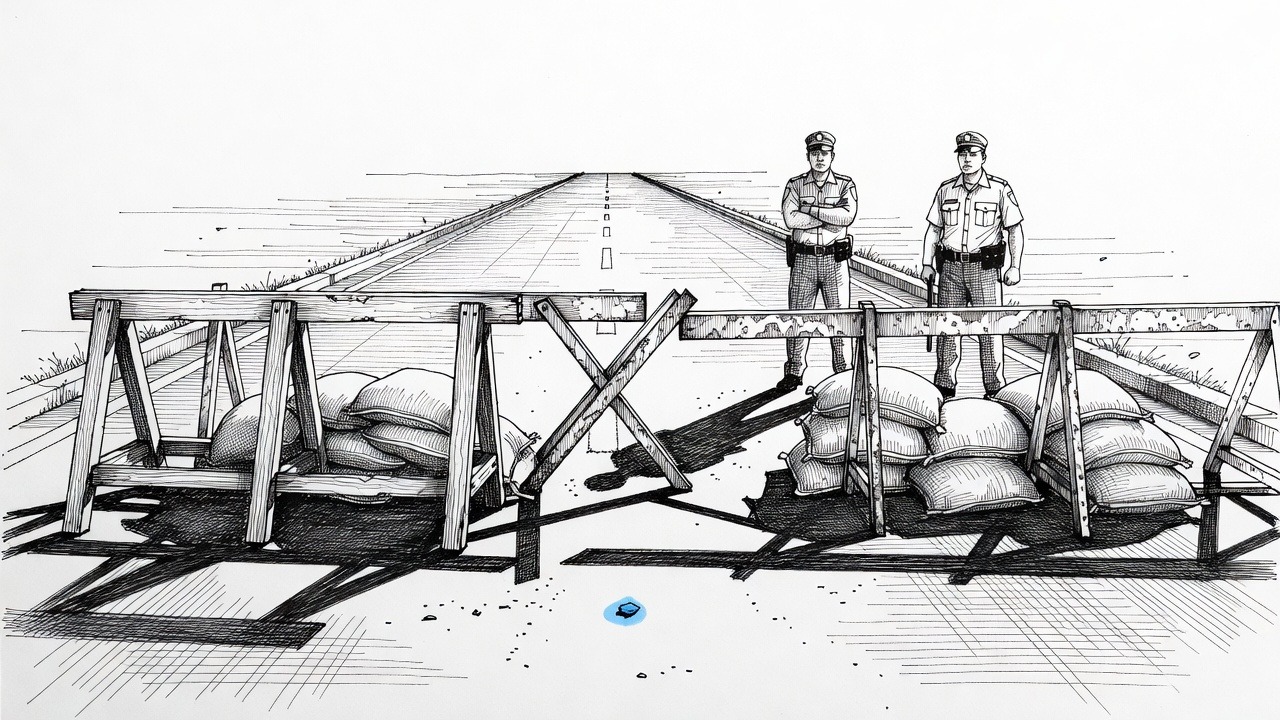
Somewhere in Washington, someone is updating a slide deck. One more name comes off the Ten Most Wanted list, one more kingpin is in custody, and the $5 million reward goes unclaimed or gets quietly paid. Meanwhile, in Sinaloa, people are looking at burning vehicles and roadblocks and wondering whether they can get to work.
That gap between the trophy and the consequences is the story here, and we have seen it for forty years.
The arrest of Fausto Isidro Meza Flores, "Chapo Isidro," is not nothing. He allegedly led a violent organization, and nobody on the Left should pretend that cartel bosses are folk heroes or that their victims don't count. Those victims are overwhelmingly poor Mexicans, not Americans. But the question is what an arrest like this buys, and the record is brutal. The kingpin strategy has been tried in Colombia and Mexico, through Calderón's war and every administration since. It decapitates organizations and splinters them. The splinters fight over territory, and the fighting is more vicious because it is less disciplined. Sinaloa is the living proof. Since the July 2024 seizure of Ismael "El Mayo" Zambada, the state has been consumed by a civil war inside the cartel world that has killed thousands and disappeared many more. Mexican authorities themselves say violence followed this arrest. That is not a side effect. It is the pattern.
So who pays? Not the officials who announce the operation, and not the American politicians who will cite it. The cost falls on farmworkers in Guasave, shopkeepers who close early, and families who learn which roads not to take. Their security is treated as an acceptable cost of a headline.
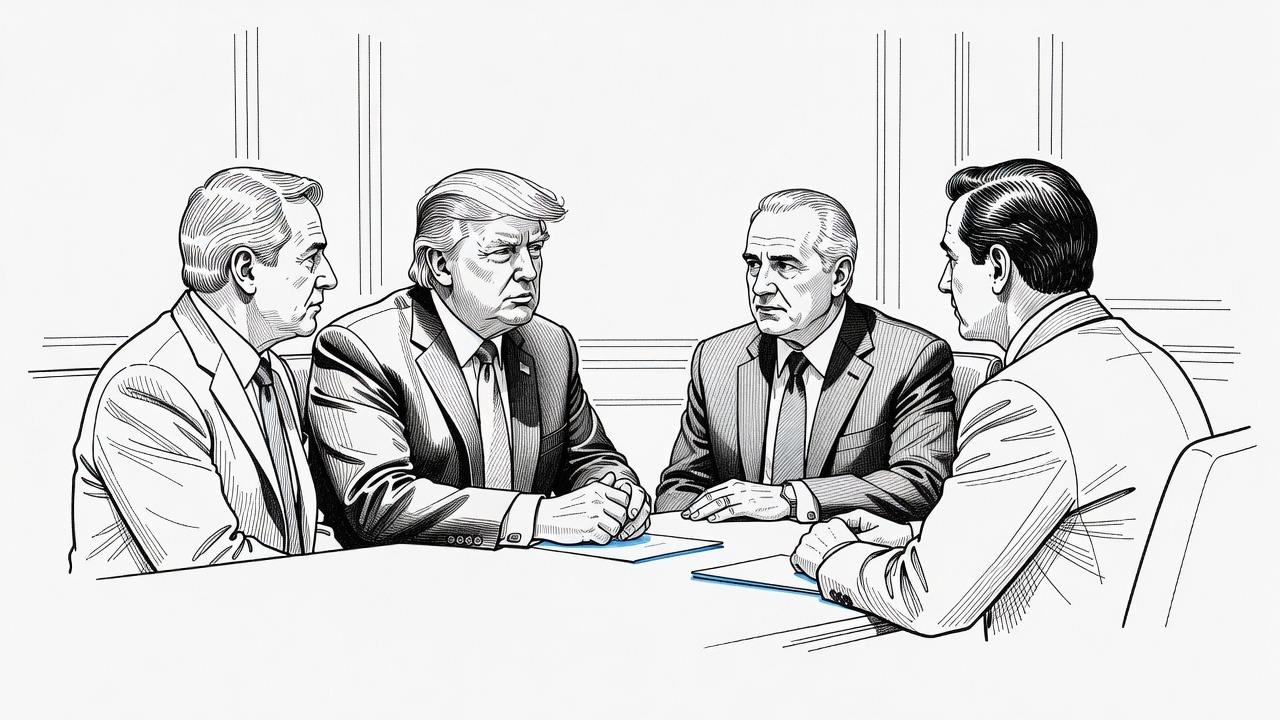
Then there is the politics of who is demanding these headlines. Donald Trump has declared Mexican cartels terrorist organizations, floated unilateral military action, and used tariffs as leverage over a Mexican government that cannot afford to look weak. Claudia Sheinbaum has responded the way a head of state under that kind of pressure does: mass transfers of cartel prisoners to the U.S., and now high-profile captures timed, whatever the official explanation, to demonstrate cooperation. Her government deserves criticism from the Left too. Morena came to power promising "hugs, not bullets," a recognition that militarized crackdowns manufacture the very violence they claim to end. Seeing special forces trade gunfire in Sinaloa so that Washington can see results is a retreat from that promise, and an unflattering one.
The American side of this ledger gets mentioned far less than it should. The cartels are a business, and the business exists because Americans buy the product and because American guns flow south. U.S. officials have long estimated that a large majority of firearms recovered in Mexican crime scenes trace back to the United States. American banks have laundered cartel money and paid fines that amounted to a rounding error. No one in a corner office has appeared on a most-wanted poster. We'll send Mexican commandos into a gunfight, but a gun-industry lobby or a compliance department that looked away is somehow beyond the reach of the law.
The Right's argument is that you cannot negotiate with people like this, that force is the only language they respect, and that arrests reduce their capacity. Some arrests do. But capacity is not the same as supply. As long as there are tens of billions of dollars in demand, there are replacement managers, and the market simply hires. A serious policy would put treatment, harm reduction, gun-trafficking enforcement, and financial-sector prosecutions at the center. Those are less cinematic than a raid. They are also the things that might actually shrink the market.
Celebrate the arrest if you like. Just ask what changes by next month. If the answer is nothing, except that Sinaloa is a little bloodier, then we have just watched another expensive piece of political theater.