Read Putin's offer slowly, because the grammar tells you who he thinks holds power. Europe may come to Moscow. Russia "did not oppose" its involvement but wants to understand "what it could contribute." Only after hearing Europe out would Moscow decide "how to continue communicating with Ukraine."
Ukraine, the country being invaded, is the last item on the agenda. It is a matter of correspondence to be handled once the real powers have finished talking. Europe, whose continent this is, is a petitioner invited to audition. This is how an empire talks when it thinks the room belongs to it.
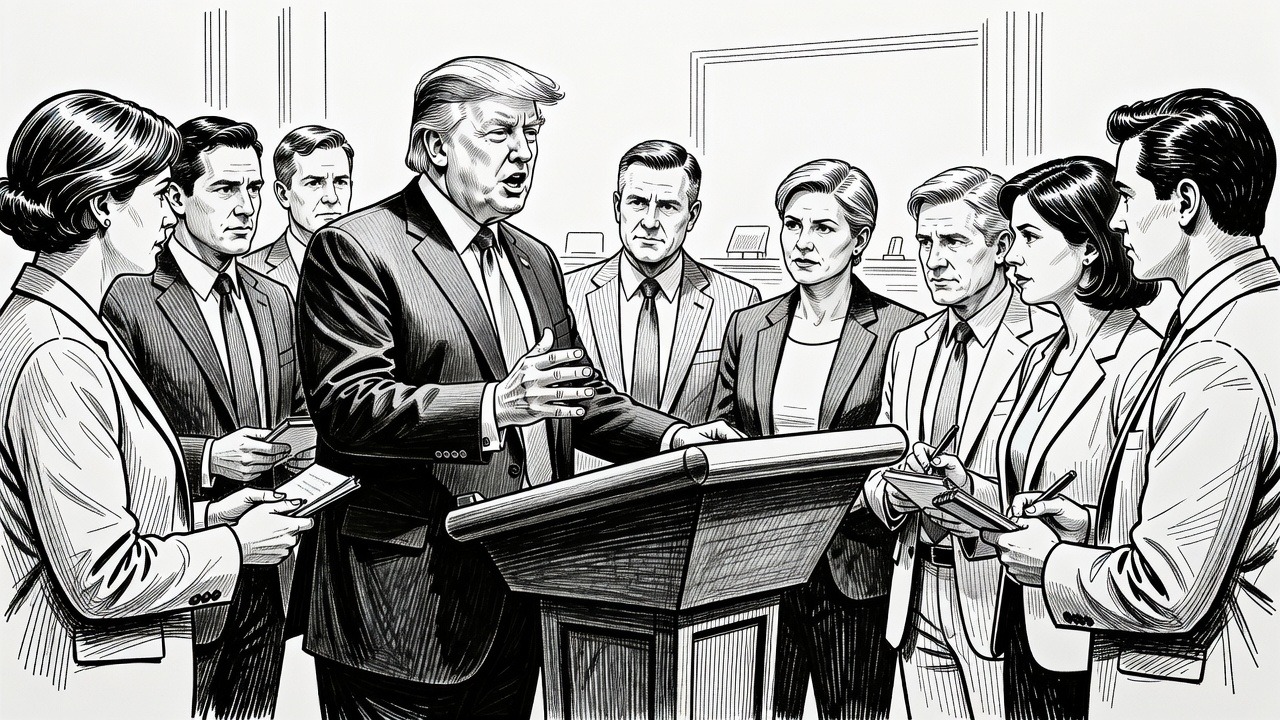
The summit that produced the offer is what should trouble people on the left. Putin says Washington urged him to let Europe in. Consider what that means. The American president is brokering, as a favor, a European seat in negotiations over European security. Some version of Yalta is back, with Moscow, Washington and Beijing carving the map and the people who live on it waiting outside.
My side has a duty to say plainly what this is. The left's oldest instinct is that people have the right to decide their own future, and that principle doesn't depend on whether the victim is fashionable or the aggressor is an American ally. It is what we said about Vietnam, Iraq, Gaza and Western Sahara. If it applies to them, it applies to a Ukrainian in Kherson who doesn't want to live under Moscow's rule. There is a tired strain on the left that treats any talk of peace as wisdom and any talk of Ukrainian agency as warmongering. Peace is a worthy goal, but a settlement imposed over the victim's head is a surrender with better branding.
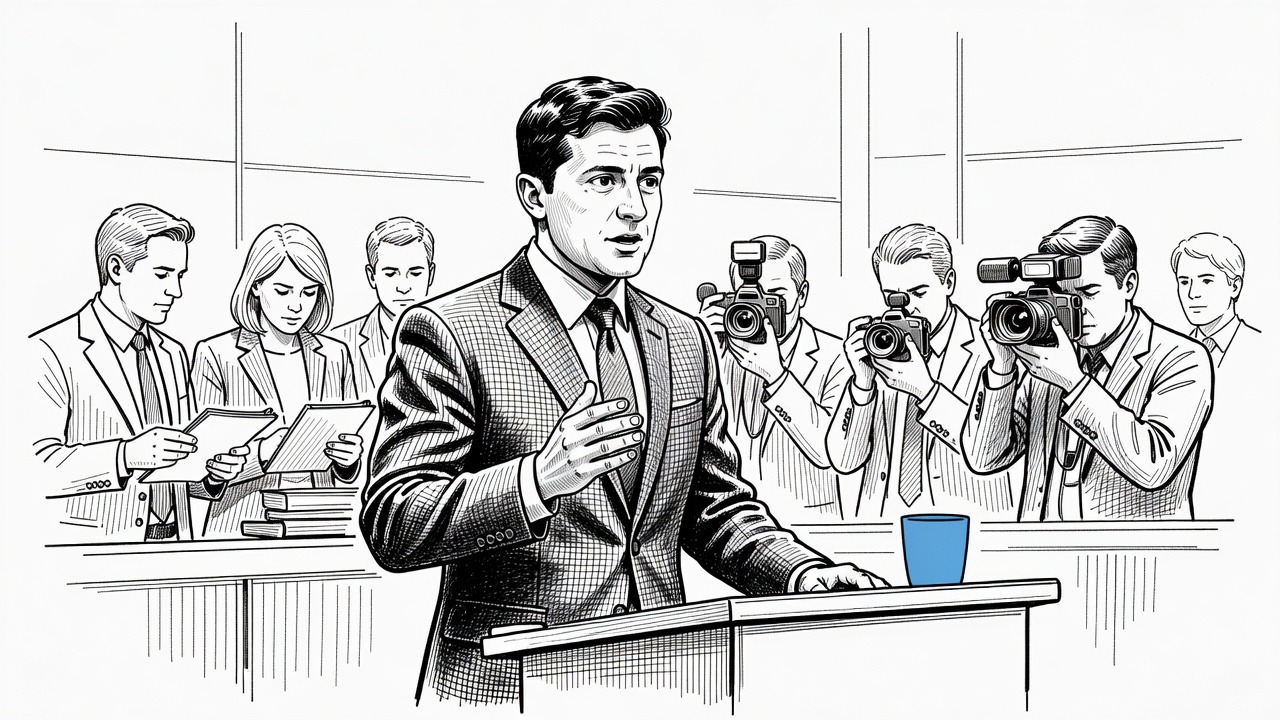
That doesn't mean Europe should refuse to talk. Refusing would be a pose. The question is on what terms. Europe shouldn't travel to Moscow to be told what it may contribute. It should insist that Ukraine sits at the table as a party, not as a subject of discussion. It should insist on a venue that doesn't signal who is host and who is guest. And it should arrive as one delegation, not as twenty-seven capitals each hoping to be the one Putin flatters. Division is the whole point of this invitation. Every European leader who dreams of being the great peacemaker is doing the Kremlin's work.
Europe also has real cards, if it has the nerve to play them. Hundreds of billions in immobilized Russian central bank assets sit largely in European institutions. The sanctions architecture is European as much as American. The market Russia needs is European. Putin isn't offering talks out of generosity. He's offering them because he has noticed that Washington is wavering and he wants to deal with the weaker, more fractured party, ideally one at a time.
And here is the uncomfortable part for liberals and progressives in Europe. This weakness was chosen. For years, governments left and center-left preferred to outsource their security to the United States while arguing over every euro of defense spending. Austerity hollowed out public capacity of every kind, military included. The left was right to resist militarism for its own sake, but it never built a serious alternative theory of how a continent defends democratic self-rule against a nuclear-armed autocracy. Now we are paying for that gap, and Ukrainians are paying more.
The lesson is not to cheer rearmament uncritically, or to hand arms makers a blank check. It is to make Europe's security a public project that Europeans control, funded fairly, accountable to voters, and not dependent on the mood of whoever occupies the White House.
Putin's invitation is a test. If Europe goes to Moscow as a supplicant, it confirms that the continent is a client. If it goes together, with Ukraine beside it and its leverage visible, it might get something worth having. The principle should be simple: nothing about Ukraine without Ukraine, and nothing about Europe decided by Europe's rivals and its protector alone.