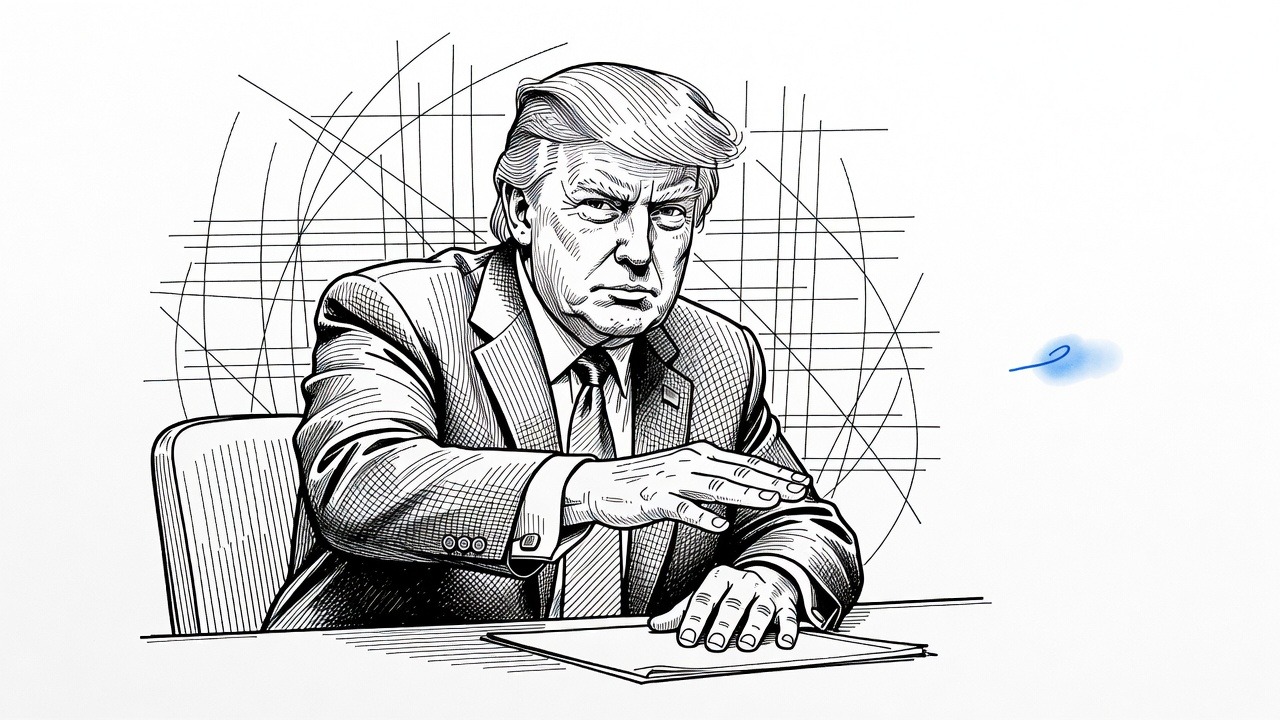
Donald Trump has threatened a "large tax" on tech companies that build data centers abroad. He gave no rate, no start date and no list of companies. That is not a policy. It is a mood with a podium.
The vagueness is the point. A threat with no terms cannot be litigated, scored or opposed. It can only be negotiated, and the people doing the negotiating will be the executives who already know the way to the Oval Office. Anyone who watched the last year of this presidency knows how that works. Tariffs arrive, then exemptions, then deals for those who flatter, invest and write the right checks. A tax that might hit Microsoft, Amazon, Google or Meta depending on how the week goes is leverage, not industrial strategy.
The irony is hard to miss. The Left has spent years arguing that American corporations should not be rewarded for moving profits and production offshore. That was the logic behind the global minimum tax, which Trump has since pulled the U.S. away from. Now he discovers the offshoring problem, but only for the one sector courting him hardest, and with the stated goal of beating China in AI. A real anti-offshoring policy would be written down, applied evenly and aimed at the many ways corporations dodge their obligations to the country that made them rich. This is a cudgel waved at one industry's building plans.
The larger problem is what happens if the threat works. Suppose the companies decide to build here. Who pays?
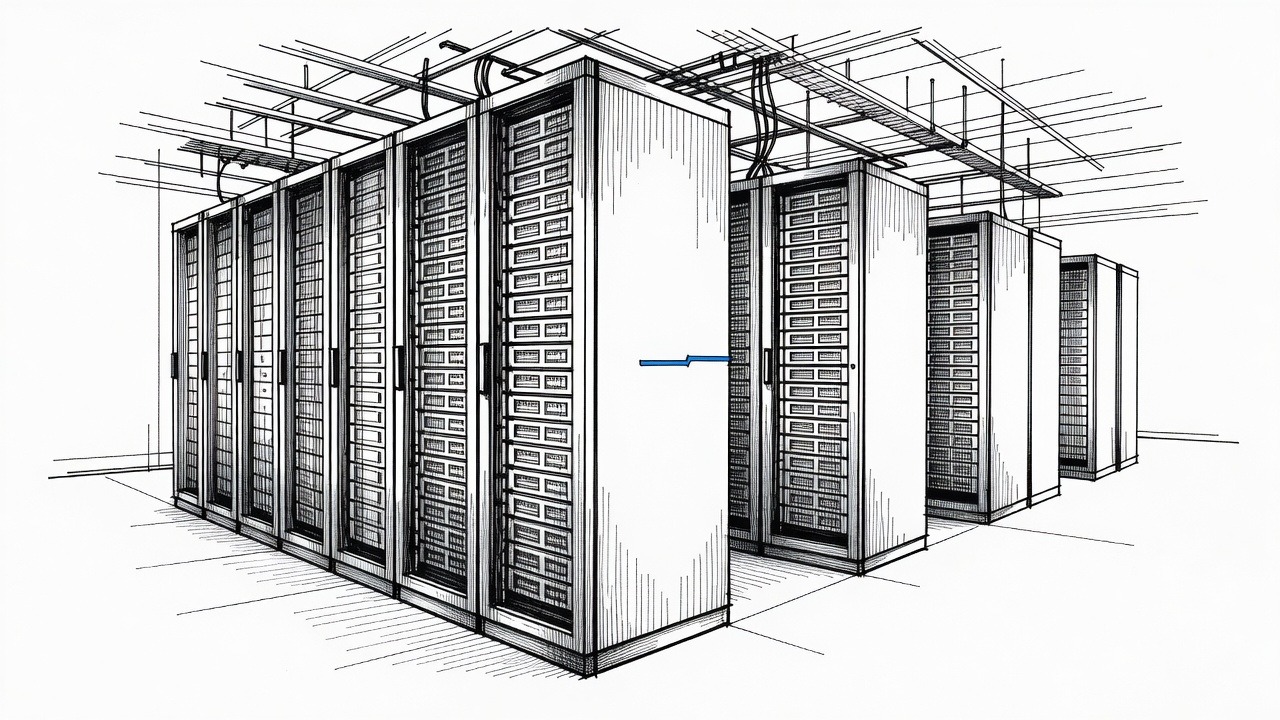
Data centers are not gentle neighbors. They consume enormous amounts of electricity and often a lot of water, and they cluster in places where utilities then build new capacity. Electricity bills were already a live political grievance, and the costs of that buildout often land on ordinary ratepayers through utility rate structures, while the company gets tax abatements and secrecy agreements from eager local officials. The jobs are real during construction. Afterward, a facility the size of several football fields may employ a few dozen people.
The administration is also working against its own goal. Tariffs on steel, aluminum, copper and electrical equipment raise the cost of building these facilities in America. Permitting rules and grid constraints are no small obstacle either. You cannot punish companies for going abroad while taxing the things they need to build at home. Nor does a president who has loosened chip-export limits and cheered giant AI deals in the Gulf have much standing to lecture anyone on a strategy for beating China.
So here is the Left's answer. Not "no," and not a defense of Big Tech's freedom to put its servers wherever the labor and power are cheapest. Our answer should be: if you want the public to host the infrastructure of the AI economy, the public gets terms. Large new data centers should pay for the grid upgrades they require, and those costs should not be spread across households. They should disclose their energy and water use, commit to clean power rather than a rush back to gas and coal, and pay their fair share of local and federal taxes without a decade of abatements. Workers who build them should be paid fair wages. If the industry wants the national-security argument, it can accept national-interest conditions.
Democrats should resist the lazy move of opposing the threat because Trump made it. The instinct that corporations owe something to the country they depend on is ours. But we should be just as clear that a presidential threat is no substitute for law. Without law, the deal goes to whoever calls the White House, and the bill goes to whoever pays the power company.
America's AI buildout will be paid for by someone. The only question worth fighting over is whether it is the companies making the profits or the families down the road.
How it may affect me
If you live near a planned or existing data center, watch your utility's rate cases and local tax-abatement votes. Those, not White House announcements, determine whether the facility's grid and power costs are passed on to household electricity bills.