Somewhere in the celebration of $3.79 billion in a single day, a basic question has gone missing: who made it?
Not the executives who will ring bells and take victory laps. Grand Theft Auto VI is the product of thousands of programmers, artists, writers, testers and animators, years of their working lives compressed into a digital Miami. Rockstar is a company that has already shown us how it treats the people who build its worlds. In 2018, co-founder Dan Houser boasted that staff on Red Dead Redemption 2 had worked 100-hour weeks. Last year, with this game's finish line in sight, Rockstar fired some thirty workers in the UK and Canada. The union that represents many of them, the IWGB, says they were fired for organizing. Rockstar says they leaked confidential information.
Give the company its due. That dispute is contested, and a tribunal, not a columnist, should settle it. Rockstar's defenders will also say that game developers are not coal miners, that the pay is decent and that the delays suggest a studio finally resisting crunch. Maybe so. But look at the timing, and at who held the leverage. Workers discussing a union in a private chat, a studio at the peak of its power, a game about to print money, and a purge just before launch. If you wanted to design a message to the rest of the workforce, you would struggle to improve on it: *you are replaceable, and the more we make, the less you will matter.*
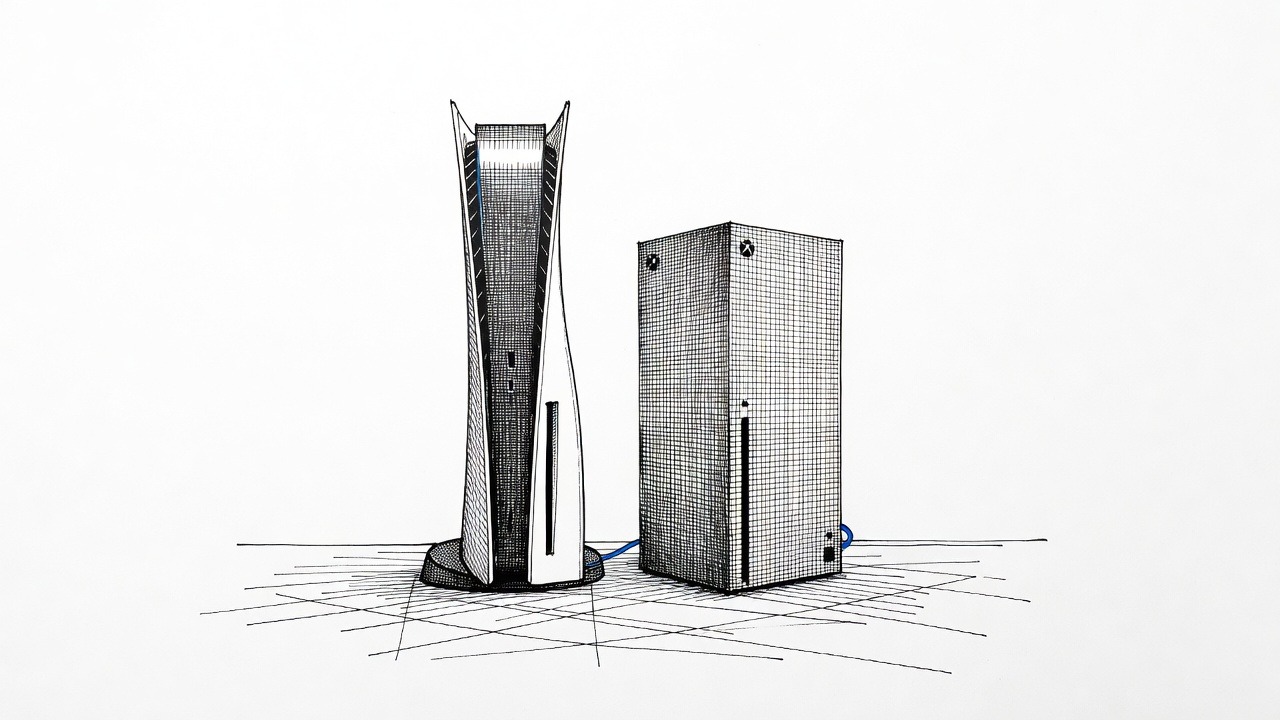
That message has been delivered across the whole industry. Tens of thousands of game workers have lost jobs in recent years, including at companies posting enormous profits. Microsoft, which sells the Xbox this game launches on, has cut thousands of its own. Executives call this "right-sizing." Workers learned a more accurate term: the profits are real, and the security is optional.
A record-setting day is therefore not a neutral triumph. It shows what this industry can afford. Take-Two's investors can now see precisely how much value one blockbuster extracts from the labor behind it. The question for the people who made it is why that value so rarely reaches them, in the form of job security, sane hours or a voice in how the studio is run. The firms that employ them will answer, as they always do, that the market has spoken. The market spoke on behalf of the customers and shareholders, and nobody asked the staff.
There is also an irony Rockstar's marketing department presumably enjoys. The Grand Theft Auto franchise has made its name as satire of American greed: the grifters, the influencers, the hollow wealth, the cops who are crooks and the crooks who are the only honest people in the room. It has been a sharp, funny indictment of a country that confuses money with worth. Now the studio becomes the case study. A satire about predatory capitalism has itself been delivered by one, to a record audience that paid for the privilege.
None of this means you should feel guilty for playing a video game. Consumers are not the villains here, and boycott theater is mostly a way of making yourself feel clean. The pressure belongs where the power is. Governments should enforce the right to organize without retaliation, and the UK case should be watched closely. Investors who love this number should be asked what they think of the firings behind it. The industry's own workers deserve a share of the success they created.
A game this big is a monument to collective effort. The least its owners can do is stop treating the collective as a cost to be trimmed. Record revenue is not a miracle. It is what happens when thousands of people work, and a few decide what to do with the proceeds.