Washington has finally caught up to a loophole everyone in the industry could see. If you can't buy the chips, rent the building that houses them. Closing that door makes sense. But no one should mistake this rule for a strategy, least of all the people who wrote it.
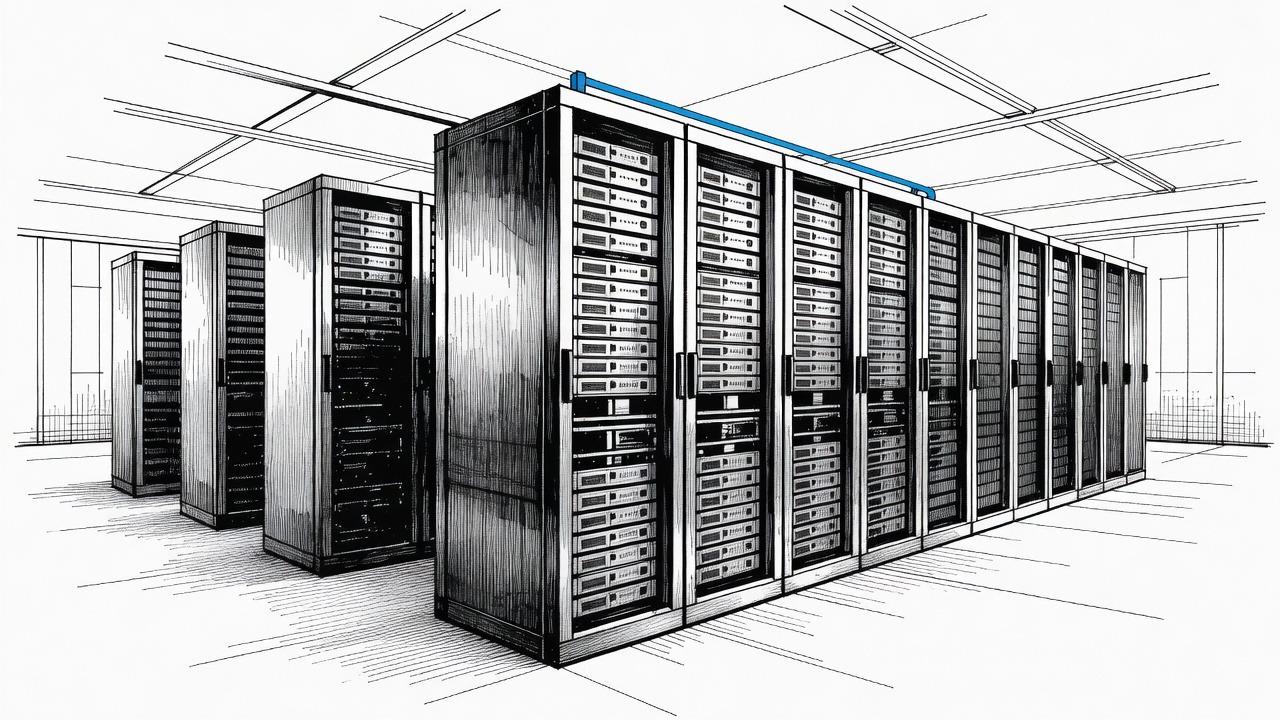
Start with the two procurement notices. Harbin Institute of Technology wanted one Nvidia A100 for about $7,000. Northwestern Polytechnical University wanted four H200s for around $240,000. Both schools are known for defense-linked research and have long been on the American radar. Small purchases like these tell us something. Four chips are a rounding error. Training a frontier model takes tens of thousands. The real prize isn't a lab bench with a few smuggled accelerators. It's cloud access at scale, rented through data centers in third countries where nobody asks what the customer is building. That is the gap the new rule targets, and it's why the rule matters more than any single seizure of contraband GPUs.
Now the uncomfortable part. This administration has treated export controls as a bargaining chip, not a principle. It struck a deal letting Nvidia sell China-bound chips in exchange for a cut of the revenue, and it has kept haggling over how advanced those chips may be. A national security rule that comes with a price tag is not a rule. It's a license fee. Chinese buyers and Nvidia's shareholders both learn the same lesson: the line moves if you lobby the right person, flatter the right president, or offer the Treasury a percentage.
This is where the Left should be clearest. We are not required to pretend that Beijing's military-civil fusion is a charming academic exchange program. A state that uses universities to build surveillance and weapons systems should not be handed the most powerful computing infrastructure on earth, and it is reasonable to want guardrails. Democratic and Republican hawks agree on that, and on this point they are right.
But the Left asks the question the hawks avoid: who decides? Right now the answer is a few firms, a few chip foundries, and a White House that negotiates in private. TSMC says it will comply with applicable requirements and won't comment on speculation. Fine. But compliance is the whole ballgame, and compliance by whom, verified by whom? When enforcement depends on the good faith of companies whose revenues depend on selling to the very buyers being restricted, we've outsourced national security to a conflict of interest.
There is also a deeper failure here. Export controls are a defensive crouch. They do nothing to ensure that the benefits of AI reach workers, or that the public has any say in how this technology is built and deployed at home. We have spent years debating how to deny China compute while granting American tech giants nearly unlimited freedom to consume electricity, water, and public subsidies for their own data centers, with almost no democratic accountability. If the argument is that AI is strategically vital, then it is too important to be governed by the quarterly earnings calls of three or four corporations.
So support the rule, and then demand more of it. Make enforcement transparent. Put it in statute so it can't be traded away in a dinner-table negotiation. Require audits of the cloud providers who will be tempted to look away. And stop pretending that the choice is between hawkishness and naivety. The real choice is between rules the public can see and defend, and rules that quietly bend for whoever has the most to gain. Four chips in a procurement notice are a symptom. The disease is a policy that has never decided whether it serves the country or the balance sheet.