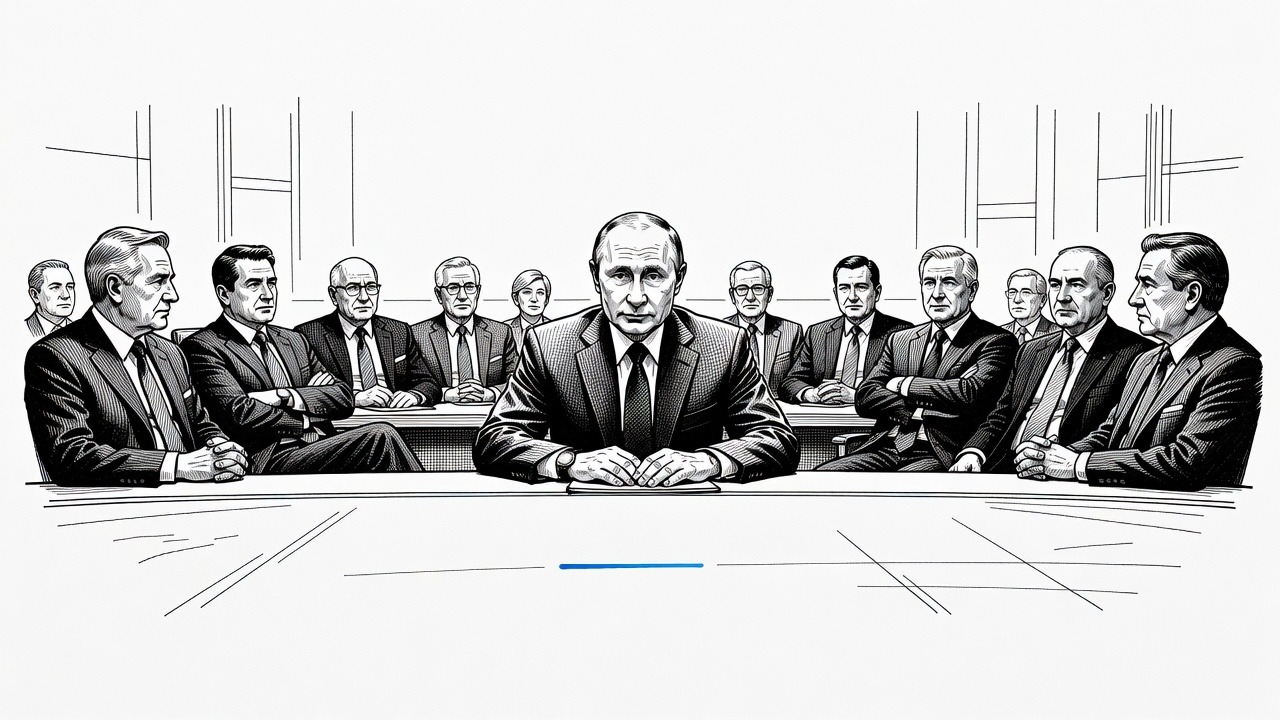
Read the account of this summit slowly and notice who is missing. Three leaders met in Shenzhen and produced a declaration on "safeguarding peace." Putin graciously said Europeans had been invited to Moscow to "clarify their position." Merz asked for neutral ground. Costa described a negotiating team. Nowhere in the account is there a word about the people whose country is the subject of all this: Ukrainians.
That omission is the story. When the strongest military, the biggest economy and the largest nuclear arsenal sit down together to settle the security of a continent, and the nation actually being carved up is a footnote, that is not peace-making. It is the old arrangement in which great powers settle things among themselves and the small ones are informed of the result.
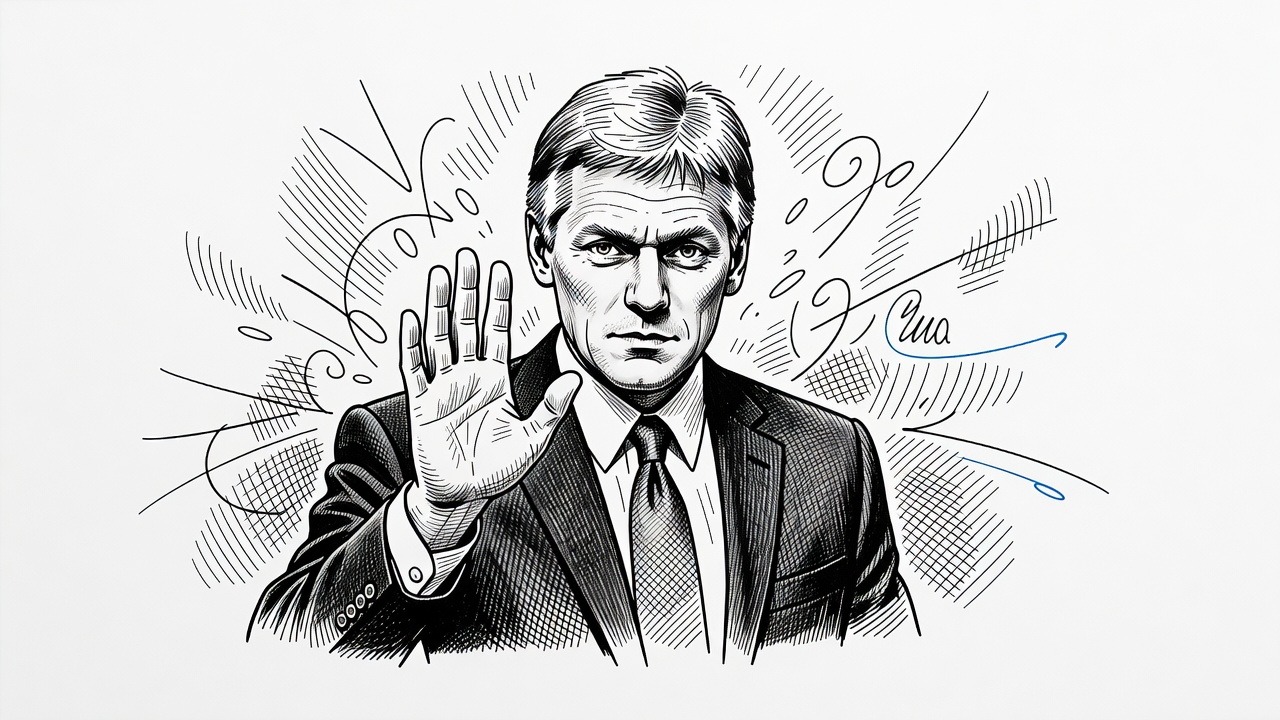
Putin's line deserves attention. He said it would be "abnormal" to address European security without Europeans. This is the man whose army made European security an emergency, now presenting himself as the guardian of proper process. He invites Brussels and Berlin to Moscow the way a landlord invites a tenant to discuss the lease. Merz and Costa are right to push back on the venue, but the larger humiliation is that Europe is arguing about the location of a meeting while the agenda is being drafted elsewhere.
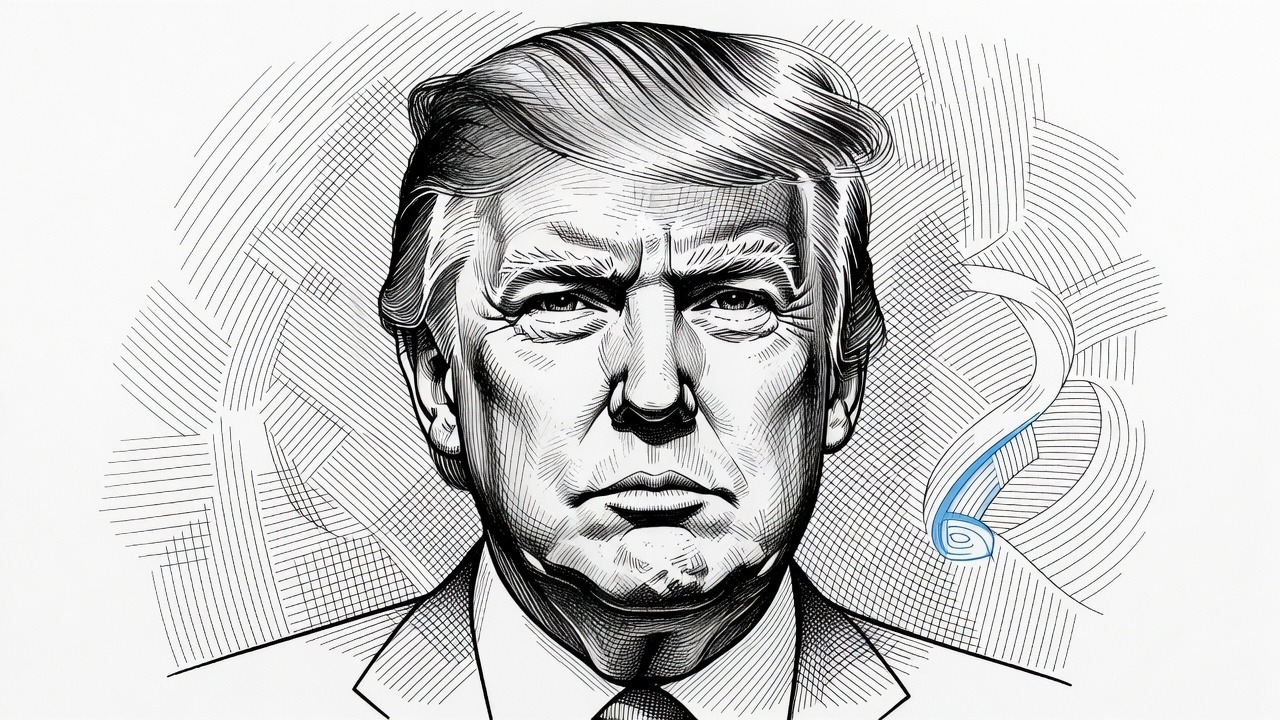
The American role is worse, and the Left should say so without squeamishness. Donald Trump sits at a table in China with Xi and Putin, and what the public gets is Wang Yi's description of a declaration that "built consensus" on peace and advanced an outlook for the Asia-Pacific community. That is a Chinese official's summary, not an accounting. We have no clear picture of what was offered, what was traded, or what Americans are on the hook for, and nobody has had to answer for it. Personal diplomacy of this kind makes American foreign policy a matter of one man's mood and deal-making instincts. We have seen where that leads: security guarantees treated as bargaining chips, allies treated as freeloaders, adversaries treated as fellow dealmakers. A peace negotiated this way will last only as long as the dealmaker finds it flattering.
There is also an uncomfortable point for people on the Left who, rightly, hate endless war. The case against militarism is not a case for ratifying whatever the aggressor can take. A settlement that rewards invasion teaches every strongman with a border grievance that patience and brutality pay. The people who then pay are not the leaders in Shenzhen. They are the Ukrainian families in the occupied territories, the conscripts on both sides, and everywhere else the working poor who absorb the price spikes, the defense budgets that crowd out schools and clinics, and the instability that follows whenever force is shown to work.
Democrats shouldn't be let off either. Too many have offered only reflexive criticism of Trump's Russia posture without saying what a durable settlement should contain, who should enforce it, and what Americans should be asked to pay. "We stand with Ukraine" is a slogan, not a plan. Voters tired of the war deserve a real answer about an endgame that doesn't amount to surrender or an open-ended blank check.
That answer has to begin with a principle the Shenzhen photo-op ignores: no settlement about Ukraine without Ukraine, and no settlement about Europe without a European seat built on more than the host's courtesy. Self-determination isn't a decoration for speeches. Either it constrains what the powerful may trade away, or it means nothing at all.
The declaration on "peace" will be praised for its tone. Judge it instead by who signed, who was asked, and who will be told afterward what they agreed to.