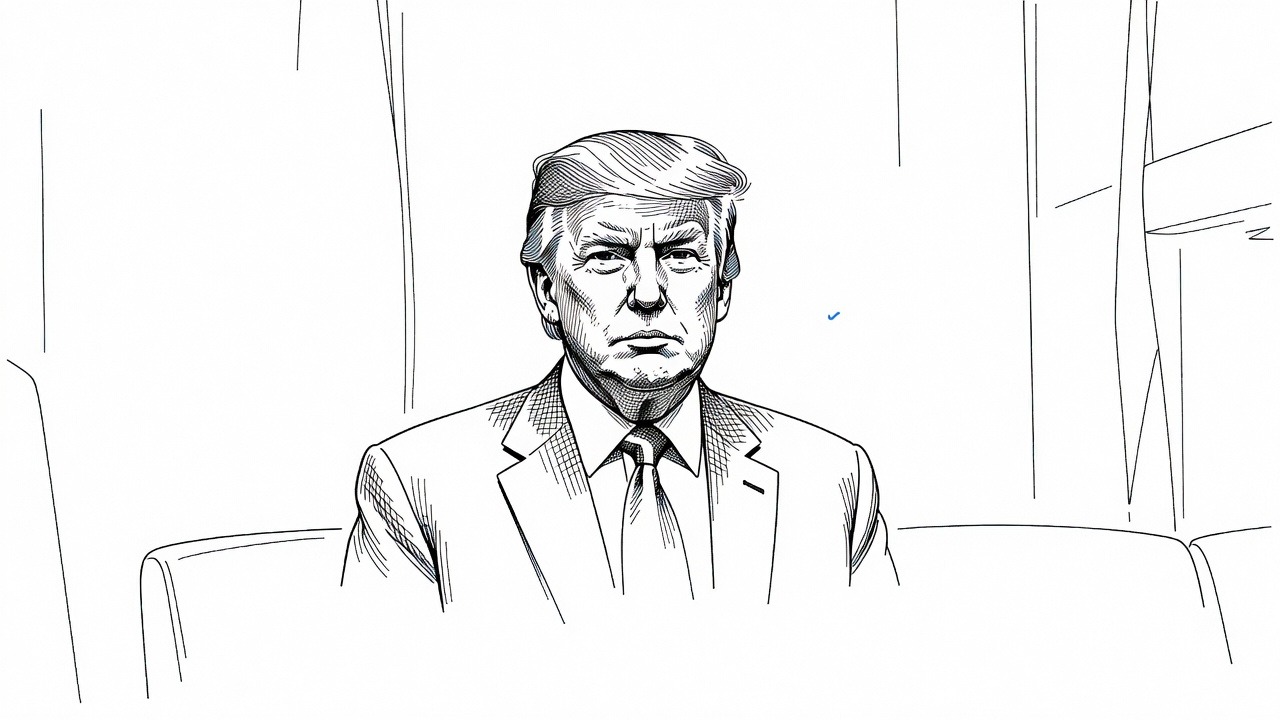
Donald Trump spent a day with Vladimir Putin and Xi Jinping, then picked up the phone to tell Europe to stop arming the country Putin invaded. He told them to spend the money at home instead. Anyone who has watched him govern should laugh at the idea that he cares where Europe's money goes.
The "domestic priorities" line is the tell. This is a president who gutted public health funding, attacked Medicaid and treats social spending as a rounding error. He is suddenly concerned that Europeans are shortchanging their own hospitals and schools? Nobody believes it. Domestic need is a costume for a decision already made, and the decision is to stop standing in Putin's way.
Then there is the claim that aid "prolongs the war." This is the oldest trick in the aggressor's playbook, because it moves the moral weight onto the person resisting. The war continues because Russia keeps fighting it. Ukraine did not choose to be invaded, and it did not choose Bucha, the shelling of apartment blocks or the deportation of children. When the party being attacked is told that its defenders are the problem, "peace" has become a euphemism for surrender.
Some on my own side find this argument uncomfortable. The antiwar instinct on the left is honorable, and I share the horror at endless killing. But an antiwar politics has to ask who benefits from a particular ceasefire. A pause that leaves Russia holding seized territory, with its army rebuilt and its appetite confirmed, ends no war. It schedules the next one, and the people living under occupation pay for it. Left internationalism has always meant solidarity with people resisting domination, not a shrug from comfortable capitals.
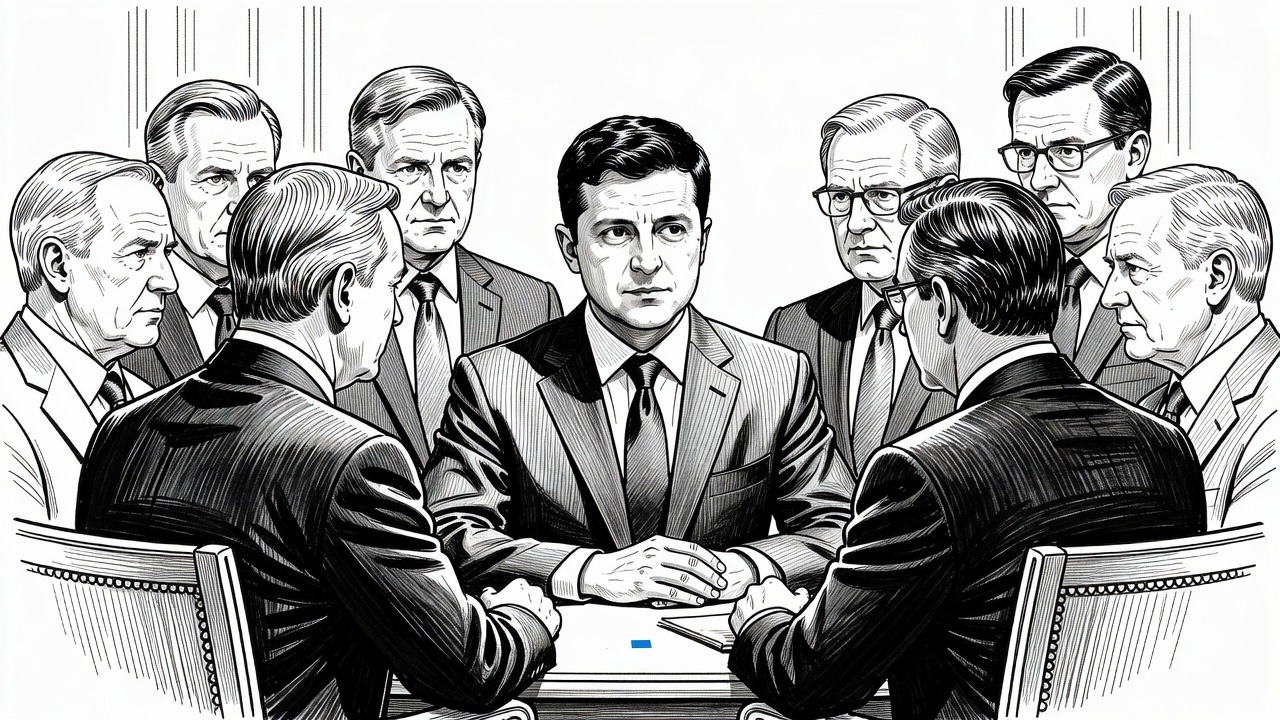
Merz is right on the substance. Aid is leverage. Putin has said he is ready for a deal, and Trump relays that as if it were news. Putin has been "ready" many times, on terms that amount to Ukraine's dismantling. The proof of sincerity is a ceasefire and a serious position at the table, and a flattering meeting in Shenzhen is not that. Notice too that Putin is offering Europeans talks in Moscow. That is an invitation to a stage he controls, extended to the governments he most wants divided from Washington and from Kyiv.
The real scandal is the picture itself: the American president negotiating over Europe's head, then calling to tell Europe what to do with its own money. It is what a landlord does with tenants, not what an ally does. He has shown that American guarantees depend on his mood, and Europe should take that seriously and stop pretending otherwise.
But the Left should not stop at cheering Merz. European governments spent decades free-riding on American security, and now they claim to be shocked. Democrats also bear blame for years of drip-fed weapons deliveries that were always a step behind the battlefield, which let this war grind on. If Europe is serious, it should do what Trump's "domestic priorities" argument is meant to prevent. It should put Russia's frozen assets to work for Ukraine's defense and reconstruction. It should pay for rearmament by taxing the wealth and corporate profits that grew fat in peacetime, not by gutting the welfare state. That answers the fair question of whether Europeans must choose between guns and schools. The honest answer is that the bill should go to those most able to pay.
The case for supporting Ukraine is not about hawkishness. It rests on a simple principle: borders should not move because a bigger country wants them to, and people should not lose their country because a stronger power has a more patient army. Trump has decided that principle is negotiable. Europe is under no obligation to agree.