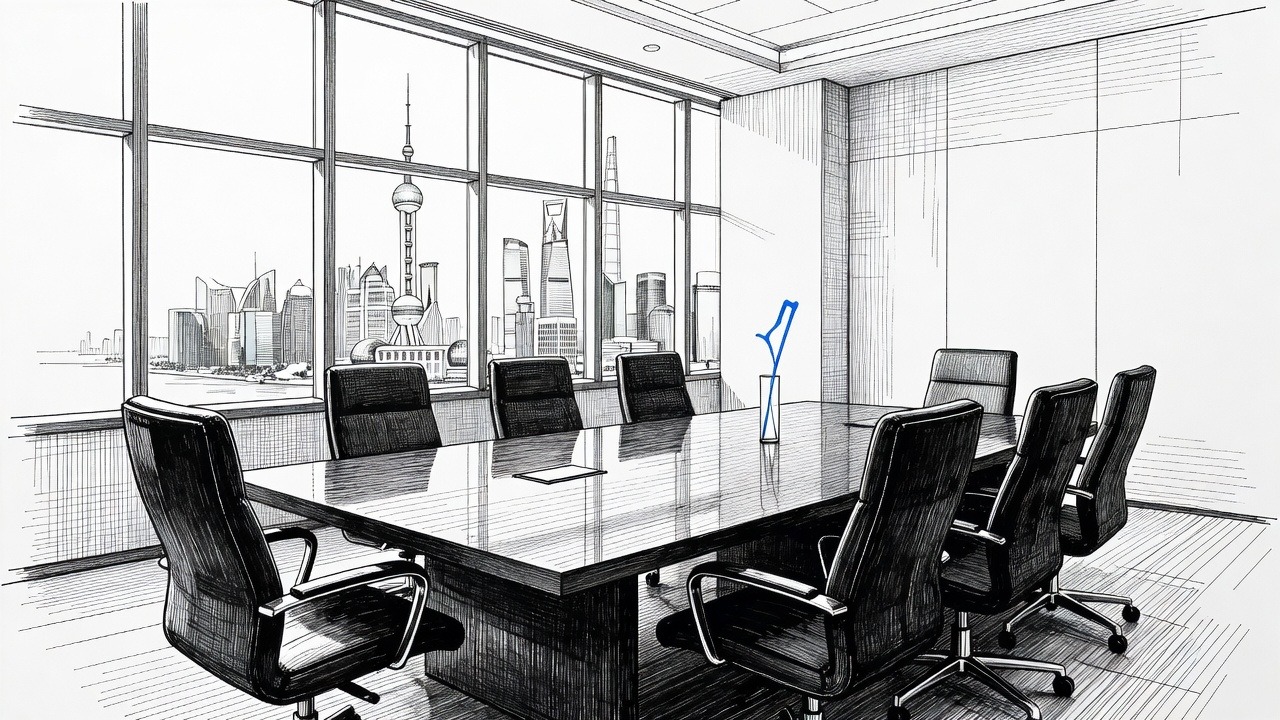
The most important thing about the Shanghai talks is how dull they sound. Delegations met for three days to review rules for encounters at sea and in the air and to set an agenda for 2027. No communiqué will be framed, and nobody will get a book deal out of it. That is the point, and the people who sneer at this kind of diplomacy are the ones most likely to get Americans killed.
The Military Maritime Consultative Agreement dates to 1998, created because the two navies were already brushing against each other and nobody wanted to find out what a bad day would look like. We found out in 2001, when a Chinese fighter collided with an American EP-3 near Hainan. A Chinese pilot died, 24 Americans were held for eleven days, and a routine patrol became a national crisis. Every crew now operating in the South China Sea or the Taiwan Strait is one misjudged intercept away from a repeat, except with far more hardware, far more nationalism and far less patience.
The American Left should say this plainly: deconfliction is not appeasement. It is the minimum cost of sharing an ocean with a nuclear-armed rival. A 22-year-old sailor on a destroyer did not choose the geopolitical contest above his head. He should not be the one who pays when a pilot's aggression or a captain's bad guess becomes the event that forces two governments into corners.
The weakness of the arrangement is also plain. Beijing suspended military dialogue after Nancy Pelosi's 2022 Taiwan visit, and it resumed only when it chose to. China treats these channels as a favor to be withdrawn when it wants to punish Washington. That is cynical and dangerous, and anyone defending the talks should say so. The Pentagon has also documented well over a hundred unsafe Chinese intercepts in recent years, and Beijing's treatment of the Philippines at Second Thomas Shoal, with water cannons and rammed supply boats, shows that process is no substitute for restraint.
But the hawks' conclusion does not follow. If a channel can be cut off in anger, the answer is to make it sturdier and harder to switch off, not to give up on it. Make the talks routine, staffed and insulated from the news cycle, so that a bad week in Taipei or Washington doesn't leave both militaries without a phone number.
That is where the Left has a job beyond cheering. Democrats too often treat China policy as a contest to see who can sound least soft. They fund the buildup, cheer the freedom-of-navigation patrols and call it resolve, then act surprised when the margin for error shrinks. Hawkish politics rewards the loud gesture, while the quiet working group prevents disasters and gets no credit. A serious Left should demand both honesty about Beijing's coercion and a standing commitment to guardrails, along with a Congress willing to assert its war powers before an incident, not after.
The Trump administration deserves credit for keeping this channel open, and criticism for running the larger China relationship by mood, with tariffs, summitry and threats shifting from week to week. Military-to-military safety can't depend on whether two leaders happen to like each other that month. It needs to be boring, permanent and funded.
The war nobody wants is far likelier to start by accident than by plan. Three days in Shanghai won't fix the rivalry. They are, however, the kind of unglamorous work that keeps a collision from turning into a catastrophe, and we should say so without embarrassment.
How it may affect me
A collision or standoff in the South China Sea or Taiwan Strait would quickly hit shipping lanes that carry a large share of world trade, including electronics and consumer goods. Even a brief crisis could raise shipping costs, insurance rates and prices.