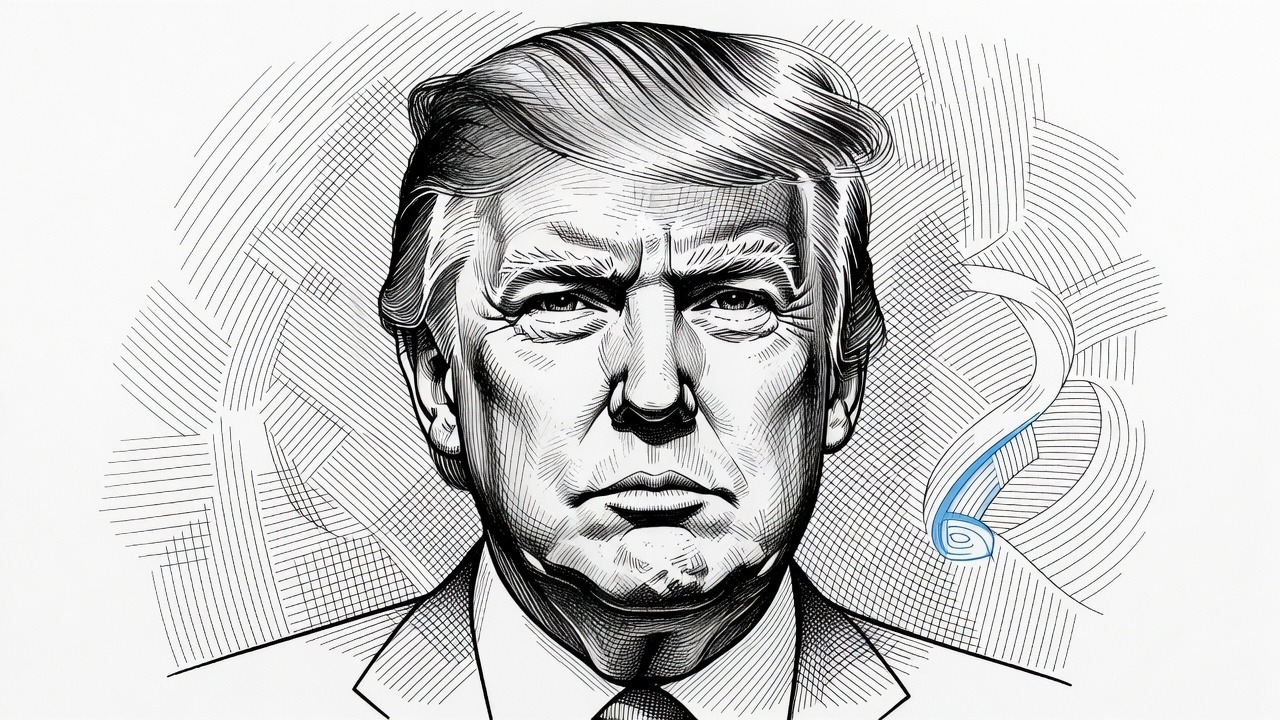
Washington has closed a loophole at TSMC, and the sensible response is a shrug and a question: why does this administration only discover national security when it isn't negotiable?
According to people familiar with the matter, the world's most important chipmaker can no longer wave orders past licensing by running its own checks on technical specifications and computing power. TSMC says it follows the law, and it probably does. But a rule that lets the company police itself was always an invitation. When the product is the hardware that trains frontier AI, the honor system is a business model for the people trying to get around the rules.
Tightening that is defensible. China's government is not a neutral buyer. It runs a surveillance state, it is building the machinery of social control in Xinjiang and beyond, and it wants these chips for its military and security services as much as for its startups. The Left should be able to say that without sliding into Cold War theatrics, and without tolerating the ugly suspicion of Chinese and Chinese-American researchers that these fights keep stirring up.
But look at who is holding the lock. This is the same administration that banned Nvidia's China-bound H20 chips, then reversed itself once the company agreed to hand the government a cut of the sales. Later it floated letting even more capable chips through on similar terms. Whatever you call that, it isn't a security policy. It's a toll booth. If a restriction can be lifted for a revenue share, it was never about security. It was a price waiting to be negotiated, and every executive in Santa Clara and Hsinchu knows it.
That's the real problem with the way this fight is run. Decisions that shape the balance of military and economic power are being made by a handful of corporations and an executive branch that treats licensing as a favor to hand out. Congress is a spectator. The public learns about the biggest moves through anonymous sourcing and a post from the president. Democrats who actually care about this, including the hawks in both parties pushing back on the chip deals, should say plainly that export controls need statutory backbone, public reporting and enforcement that doesn't evaporate when a CEO makes a good pitch.
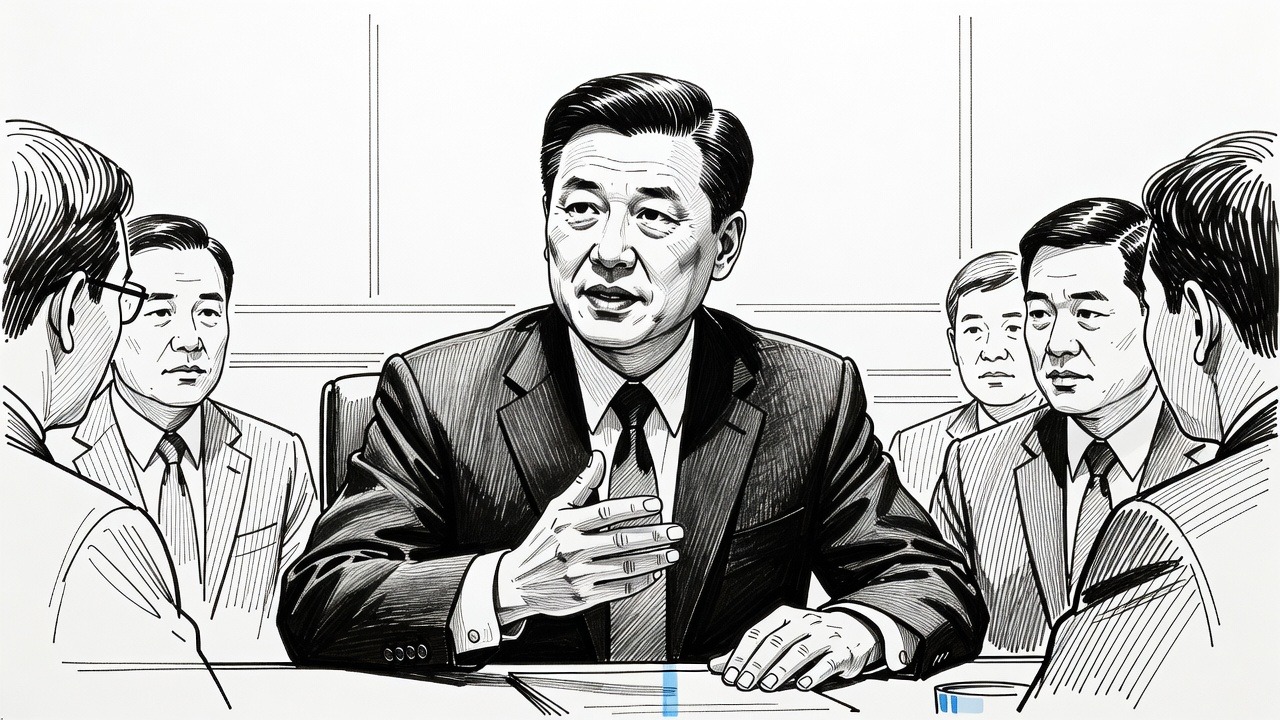
Then there's Beijing's answer. Vice Premier Ding Xuexiang says China should strengthen basic research and break through its bottlenecks. Read that as a forecast, not bluster. Controls buy time. They do not buy victory, and they accelerate exactly the self-reliance drive they are meant to stall. Time is only worth something if you spend it building. The CHIPS Act was supposed to be that investment, with public money tied to public benefit: good jobs, training, supply chains that don't hinge on one island in the Taiwan Strait. Instead the government has turned toward taking equity stakes and cutting side deals, with little guarantee that the gains reach workers or communities rather than shareholders.
So the Left's position shouldn't be "loosen the controls" or "cheer the controls." It should be: make them real, make them accountable, and make them part of a serious public strategy. Defend the restriction. Refuse the racket around it. And stop pretending that a technology race with an authoritarian state is something that can be left to the quarterly earnings calls of the firms profiting from both sides.