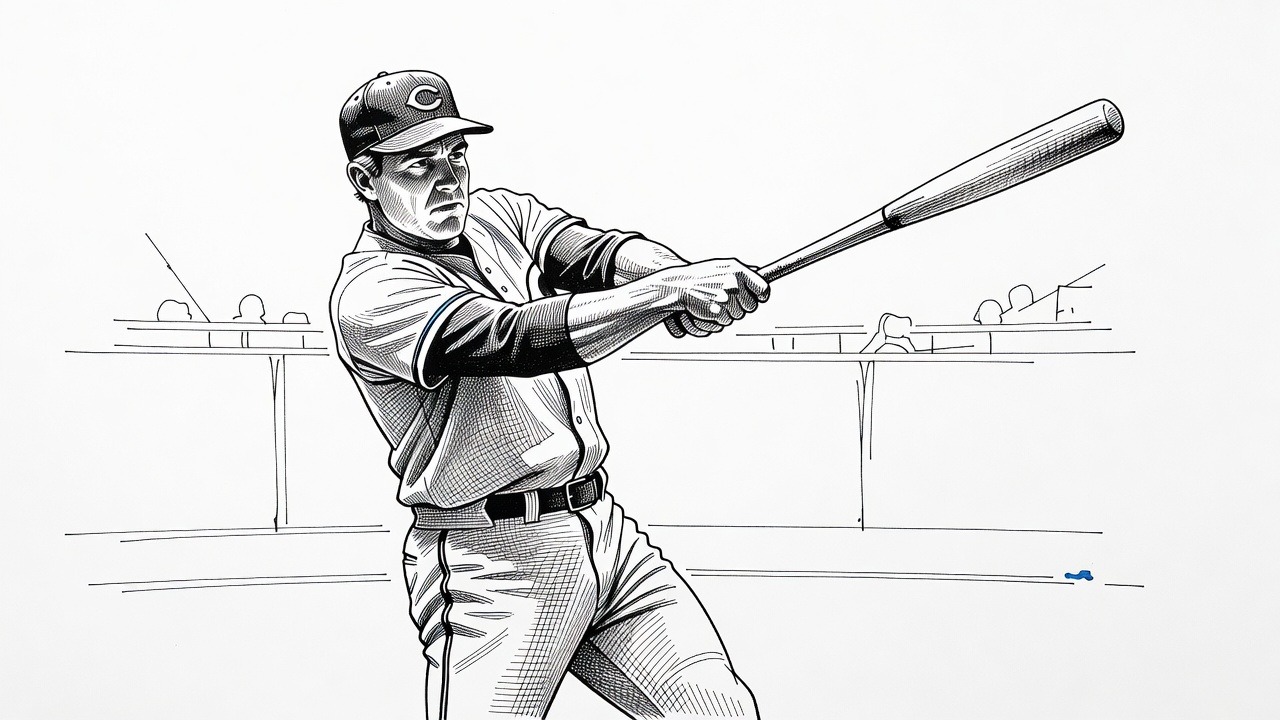
Pete Rose is beyond the reach of any prison, parole board or Hall of Fame ballot. He died in 2024. Donald Trump has now pardoned him anyway, and that tells you what the pardon power has become: a gift for people who can no longer be hurt by anything, handed out by a president who finds mercy easiest when it costs him nothing.
Take the practical effect. Rose served his five months in 1990 for filing false tax returns. The lifetime ban that kept him out of Cooperstown was never a federal matter. It was a private decision by Major League Baseball, which Commissioner Rob Manfred reversed in May 2025. A presidential pardon changes nothing in the world except the headlines. It is a eulogy with a seal on it.
There is no real objection to Rose's reputation being rehabilitated. He was baseball's all-time hit leader, he paid his legal debt, and the argument over whether gambling deserved a lifetime exile is one reasonable fans can have. What deserves scrutiny is the pattern this pardon belongs to.
This White House has used clemency as a loyalty program. It emptied the cells of roughly 1,500 January 6 defendants, including people convicted of assaulting police officers. It pardoned allies, donors and favorable names, from Rod Blagojevich to the reality-TV Chrisleys to crypto billionaire Changpeng Zhao, whose exchange had pleaded guilty to violating anti-money-laundering rules. The through-line is not justice. It is proximity, fame or usefulness. A pardon for a beloved ballplayer is the friendly face of the same machine, and it makes the rest look like ordinary generosity.
Meanwhile, the people clemency was designed for wait in a line the administration has little interest in shortening. They are the nonviolent drug offenders serving sentences Congress has since decided were too harsh, and the people who got rehabilitated in prison and have no famous friends. They don't have a Hall of Fame argument or a cable-news constituency. They have petitions and lawyers, and the Justice Department's pardon office increasingly looks like an instrument of the president's politics rather than a process of review. The Constitution gave the president this power so mercy could correct the system's failures. Trump uses it to correct the system's failure to flatter his friends.
The gambling angle is the part I would underline, because it is where a harmless pageant turns into something worth worrying about. Rose was exiled for betting on baseball. In the years since, the leagues have embraced the thing they once treated as mortal sin. Sports betting has been legalized across most of the country, and the leagues have cut lucrative deals with sportsbooks. The ads run during every game. And the predictable result is arriving. Federal prosecutors have brought cases this past year against NBA figures and MLB pitchers over betting-related schemes. The industry pushes gambling into every phone and then acts surprised when the integrity problem follows.
So a sport that built a business on wagering has lifted its ban on its most famous gambler, and a president who has treated rule-breaking as a résumé line has absolved him. The message to the next athlete, or the next donor, is not subtle. Consequences are negotiable. Brand matters more than the rule.
Trump understands something Democrats too often forget: symbolic gestures move people. A pardon for a dead sports hero is a cheap, popular story about redemption, and he gets to tell it while the actual redemption machinery rusts. If the Left wants to answer this, the answer isn't to sneer at Pete Rose. It is to ask why mercy is available to the dead and the famous, and why the living and the anonymous have to beg for it.