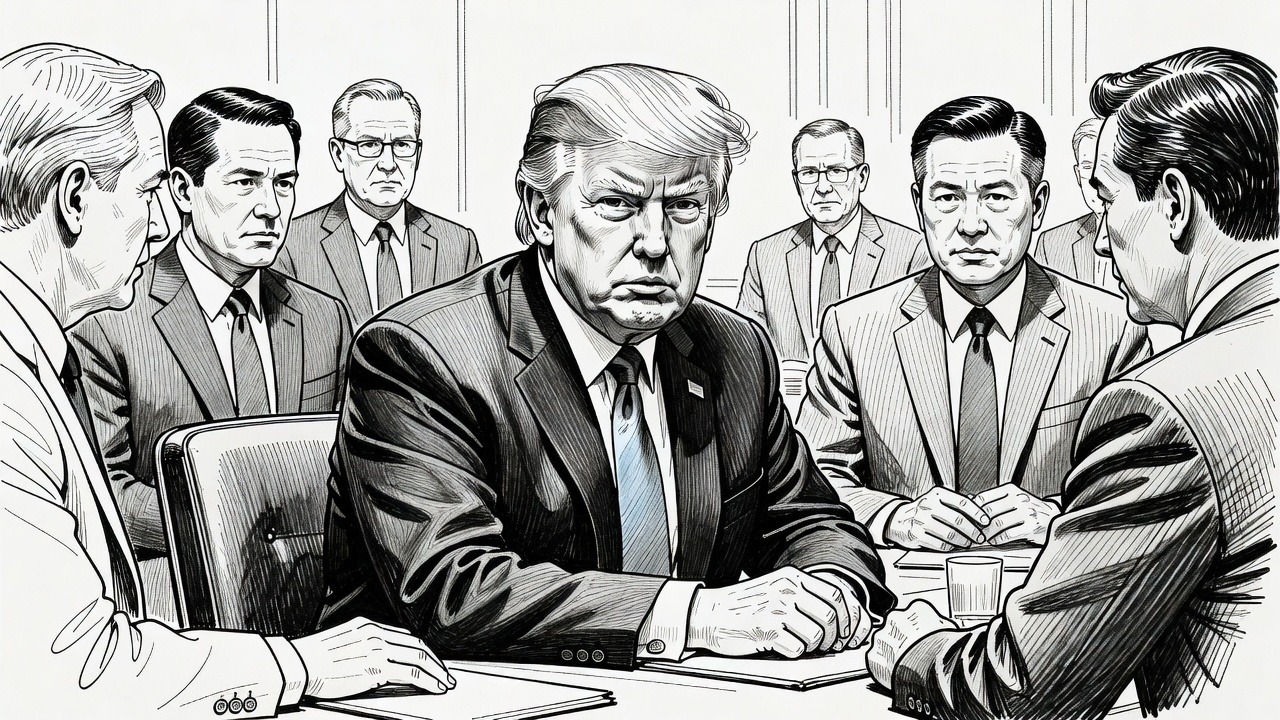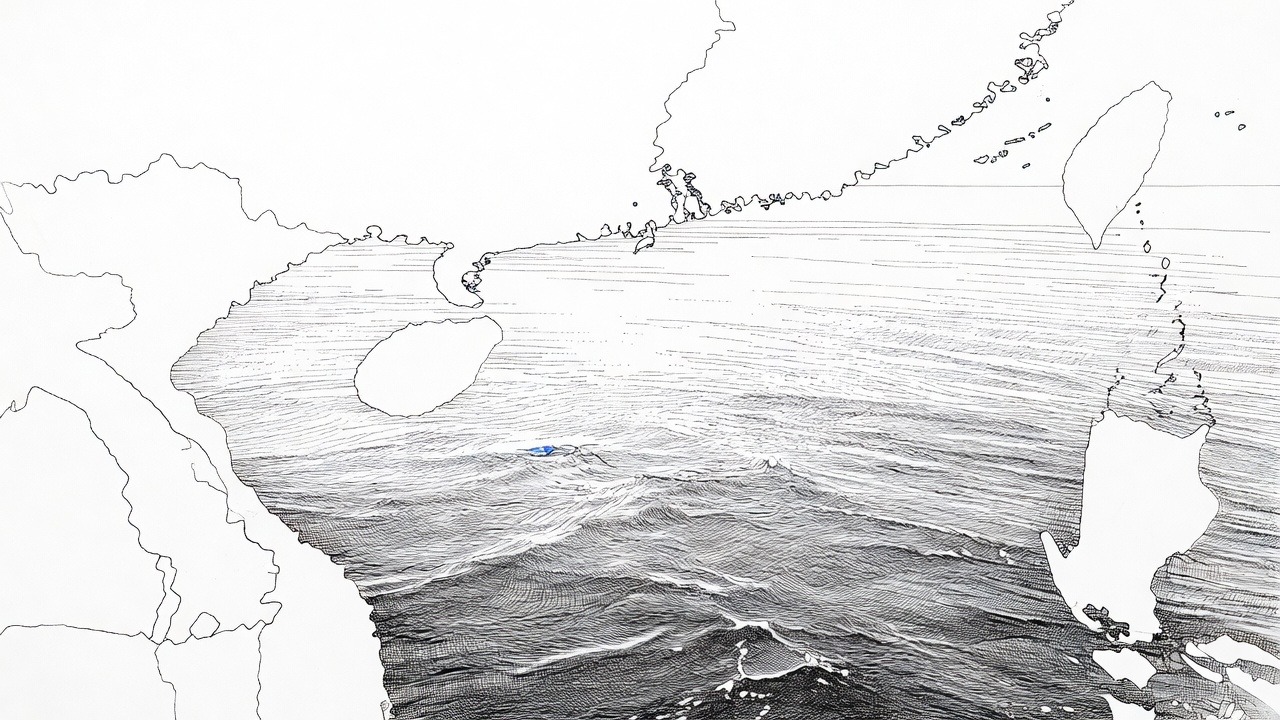
Diplomats call it "reaffirming." It is what a government does when it has a script and no strategy. At a Southeast Asian regional meeting, Washington again promised stability in the Taiwan Strait, opposition to unilateral changes to the status quo, freedom of navigation in the South China Sea, and the "complete denuclearization" of North Korea. Nobody in the room learned anything new. That is the problem.
Start with North Korea. "Complete denuclearization" has been official U.S. policy for more than three decades. Over those decades, Pyongyang went from no tested weapon to dozens of warheads, long-range missiles, and a military partnership with Russia. A policy that fails this consistently is a liturgy, not a policy. Repeating it also does harm, because it makes the only achievable steps, a freeze, inspections, missile limits, and sanctions relief in exchange for verifiable restraint, look like surrender. Arms control with a nuclear-armed adversary is not appeasement. It is how the Cold War did not end in fire. Demanding the whole prize or nothing has delivered nothing, while the arsenal grows.
Now Taiwan, where the Left should be careful not to be glib. Taiwan is a real democracy of 23 million people living under real military threat from Beijing, and defending their right to decide their own future is not imperialism. But deterrence depends on credibility, and credibility is exactly what this administration keeps spending. It has slapped tariffs on allies and on Taiwan itself, treated chip supply as a bargaining chip, and cut diplomatic and aid capacity across the region while China fills the gap. It has also launched military action elsewhere without Congress, which makes lectures about not resolving disputes by force sound thin. Southeast Asian governments hear "we oppose coercion" from a country that coerces its friends over trade. They are not fools. They hedge.
The navigation-rights line is its own small comedy. Washington invokes international maritime law against Beijing, yet the Senate has never ratified the UN Convention on the Law of the Sea, which is the very treaty that gives the 2016 arbitration ruling against China's claims its force. We insist that others obey a rulebook we refuse to sign. Beijing notices, and so does every capital deciding whether American "rules-based order" talk means rules or just us.
There is a harder point for my own side. Parts of the Democratic foreign policy establishment have been happy to ride this consensus, with its bipartisan statements, arms packages, and carrier deployments, without asking what it costs or where it ends. Reflexive hawkishness is not a progressive value. Neither is the opposite reflex of treating Taiwan as someone else's problem. The serious position is to deter war and negotiate constantly: open military-to-military channels with Beijing, real talks with Pyongyang, and a Congress that actually votes before American forces are committed to a conflict that could kill millions and shatter the global economy.
The people who pay for failure here are not the officials at the podium. They are Taiwanese families who live under the threat, Korean families who live within artillery range, Filipino fishermen shoved away from their own waters, and American workers who will absorb the economic shock if a blockade or a war begins. They deserve more than a communique.
Stability is a goal worth defending. But stability is built through leverage, allies who trust you, and negotiations that go somewhere, not through press statements read from last year's talking points. If Washington wants anyone in Asia to believe its commitments, it should start by making commitments it can keep and a strategy that includes more than repeating them.