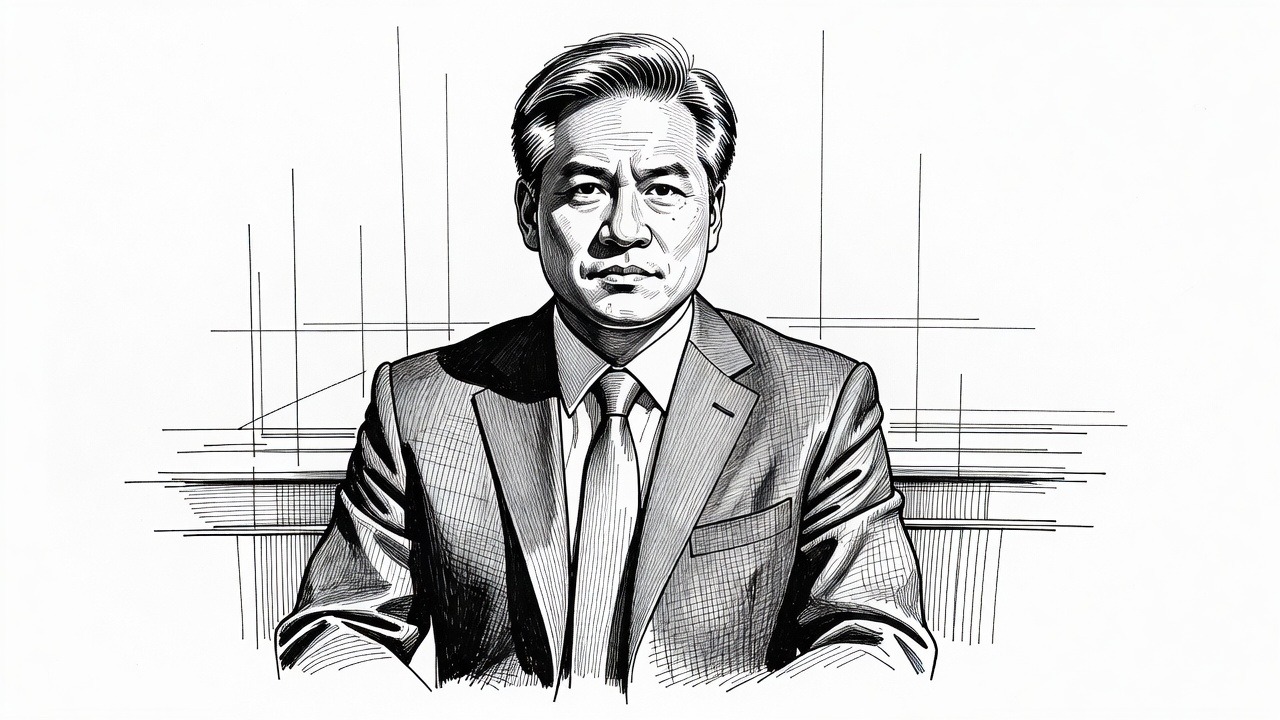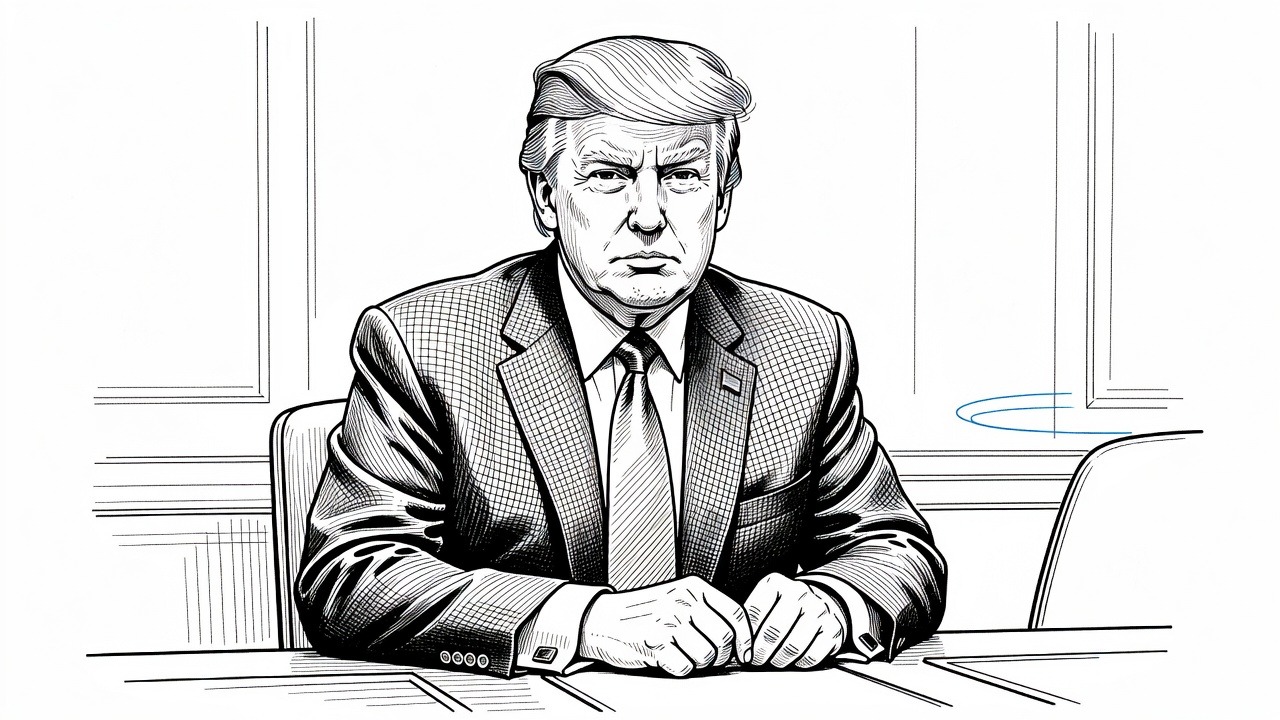
Three men who between them command most of the world's nuclear weapons are scheduled to sit down in Shenzhen. The president of the United States has told us what he wants from it: soybeans, and maybe some help on Iran.
That is not a foreign policy. It is a purchase order.
Donald Trump's instinct is to treat every relationship as a bilateral haggle in which he is the great dealmaker. But look at what he is haggling over. China should buy more American farm goods. Farmers needed rescuing from a trade war Trump started, and Beijing's retaliation made China's purchases a bargaining chip in the first place. Having broken the market, he now wants credit for asking the customer to come back. The farmers who absorbed the damage, and the taxpayers who financed their bailouts, deserved a strategy. They got a sales call.
Now consider the two Americans, Youlin Chen and Min Zin, whom our own government has formally designated as wrongfully detained. They are not in the president's opening remarks. They are in a letter from Republican lawmakers, who are urging him to raise them. I'm glad the letter exists. But it is an admission that the people who run Washington's foreign policy had to be reminded that U.S. citizens are being held as pawns.
Beijing's answer is already on the record. A Chinese Embassy spokesperson says courts handle cases legally and that wrongful detention does not happen. That is the standard line of a government that uses exit bans and opaque prosecutions as instruments of statecraft. It is also a preview of the negotiation. Xi will say the law is the law, and then, if the price is right, the law will turn out to be flexible.
That is the danger of a presidency this transactional. If every concession is for sale, then so is every American's freedom, and the market sets the rate. Hostage diplomacy works precisely because it pays. The more eagerly Washington trades tariffs, purchases or prestige for a release, the more reliably Beijing, Moscow and Tehran learn that a detained American is an asset. Democrats have had to make hard swaps too, and we should be honest that no administration of either party has solved this. But a swap negotiated through a disciplined process, with the families briefed and the stakes clear, is different from a president improvising in front of cameras beside leaders who flatter him.
The Republican letter also carries an irony that deserves to be named. The party now asking Trump to press Xi on human rights is the party that applauded as his administration gutted the diplomatic and humanitarian machinery that makes such pressure credible. You cannot shrink the State Department, treat allies as freeloaders and human rights as sentimental clutter, and then expect your demands to carry weight when you finally make them. Leverage is built over years, through coalitions and consistency. It is not summoned by a letter the week before a summit.
There is also the matter of the room itself. A U.S. president sitting with Xi and Putin should be talking about the issues that could actually end in catastrophe: nuclear arms control, which is fraying, the war in Ukraine, and the security of Taiwan. Instead the public agenda sounds like a commodities desk. If there is serious work happening beneath it, Trump should say so. If there isn't, the country should ask why.
None of this requires pretending that engagement with China is a mistake. Talking to rivals is the job. But talking is not the same as bargaining away standards in exchange for a good news cycle. The test of Shenzhen is not whether Trump gets a photo, or a soybean headline. It is whether two Americans come home, and whether he can explain, without embarrassment, what it cost us.
How it may affect me
If you travel to or do business in China, know that U.S. citizens can face exit bans or detention without clear legal recourse. Check the State Department's travel advisory for China before booking, and enroll in its STEP program. Farmers and ag-dependent communities should also watch whether any purchase commitments come with enforceable terms.