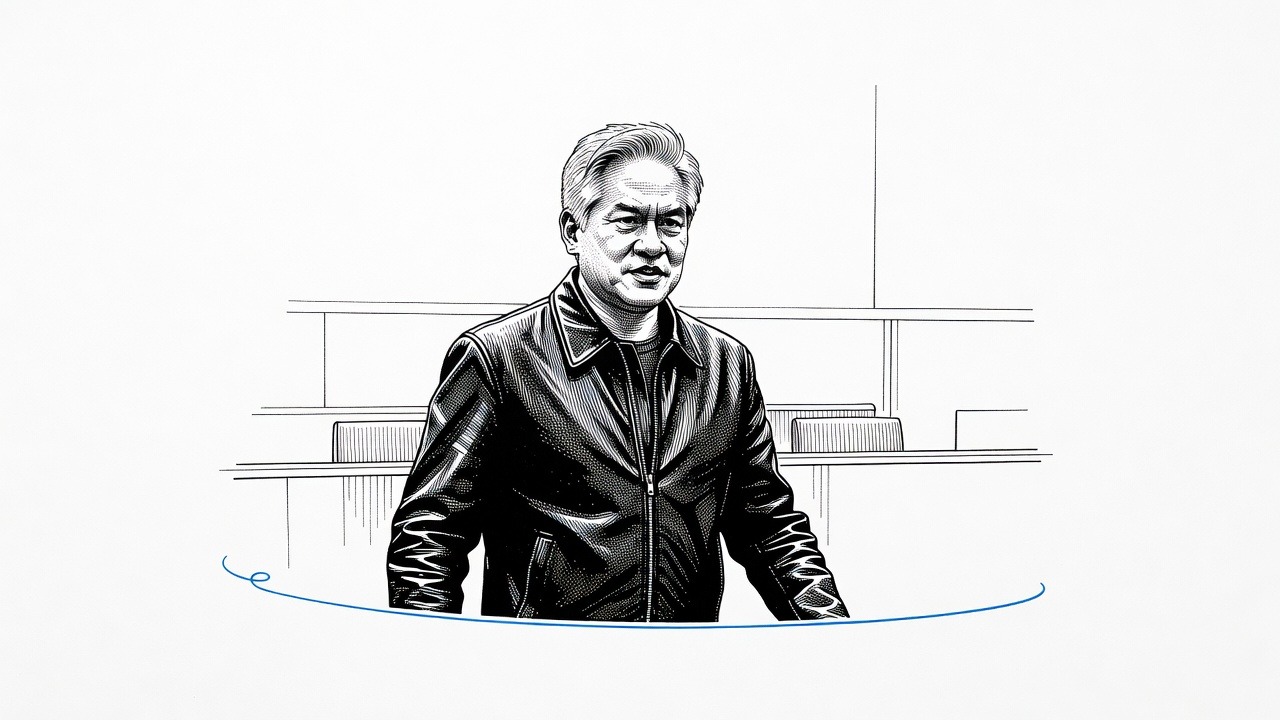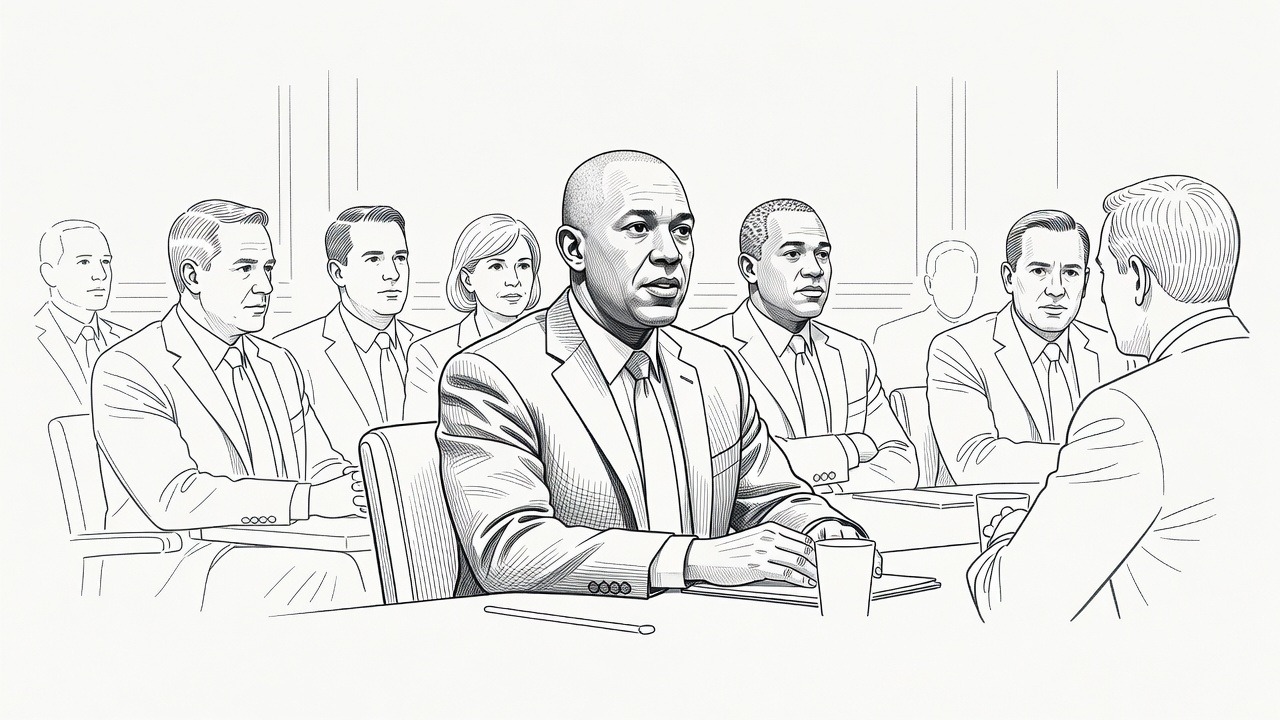
Donald Trump says he and Vladimir Putin have "known each other for a long time" and have a "good relationship." Read that sentence slowly, because it is the whole story. It is not a diplomatic position. It is a friendship statement, offered about a man who ordered the invasion of a neighboring country and is wanted by the International Criminal Court.
The readout from Shenzhen is thin. Trump "expects" positive results. Putin's aide says the two "discussed" U.S.-Russia relations and Ukraine. That is the vocabulary of a meeting that happened, not of one that achieved anything. The last time these two sat down, in Alaska in August 2025, Putin got a red carpet, a handshake photo and a long stretch of time in which no ceasefire materialized. He has had every reason since to conclude that the surest route to American goodwill is to keep talking and keep fighting.
This is the pattern, and it should alarm anyone who cares about how power works. Putin's war depends on time, on his ability to outlast Western attention and Ukrainian manpower. Every summit that ends in warm words and no deadline gives him more of it. Legitimacy is the one thing he cannot take by force, and Trump keeps handing it over for free. Ukraine, whose cities were the subject of the conversation, was not in the room.
The setting deserves notice too. The meeting took place in China, on Xi Jinping's home ground, at a trade forum the American president is treating as a convenient place to see an old acquaintance. Beijing has been Moscow's economic lifeline through this war. The image of Washington and Moscow arranging the future of a European country on Chinese soil says a good deal about who is gaining from the new disorder, and it isn't the American public.
Some on the Left will say that talking is better than not talking, and they are right in the narrow sense. Diplomacy with adversaries is not appeasement, and the Left has spent decades arguing that Washington too often treats negotiation as a reward rather than a tool. I hold to that. But diplomacy has a structure: leverage, conditions, allies at the table, a clear sense of what is being traded. What Trump practices is personal courtship, in which the relationship is the product. Last autumn's sanctions on Russian oil giants showed that the administration knows leverage exists. Its pattern since has been to wave it and then put it away.
Democrats should not get off easy here, either. It is not enough to be scandalized by Trump's warmth toward Putin. The party needs an answer to the harder question voters are entitled to ask: what is the endgame in Ukraine, who pays for it, and what would a durable settlement look like that does not reward conquest? Outrage that stops at the photograph is its own kind of unseriousness.
But the burden of proof lies with the man holding the meeting. Presidents who meet autocrats owe the public something concrete: terms, timelines, commitments Ukraine and European allies have signed onto. A shared history between two strongmen is not a policy. If "positive results" means Ukrainians are pressured to surrender territory while Putin pays no price for the invasion, then this friendship will have cost other people, who never had a seat at the table, everything.