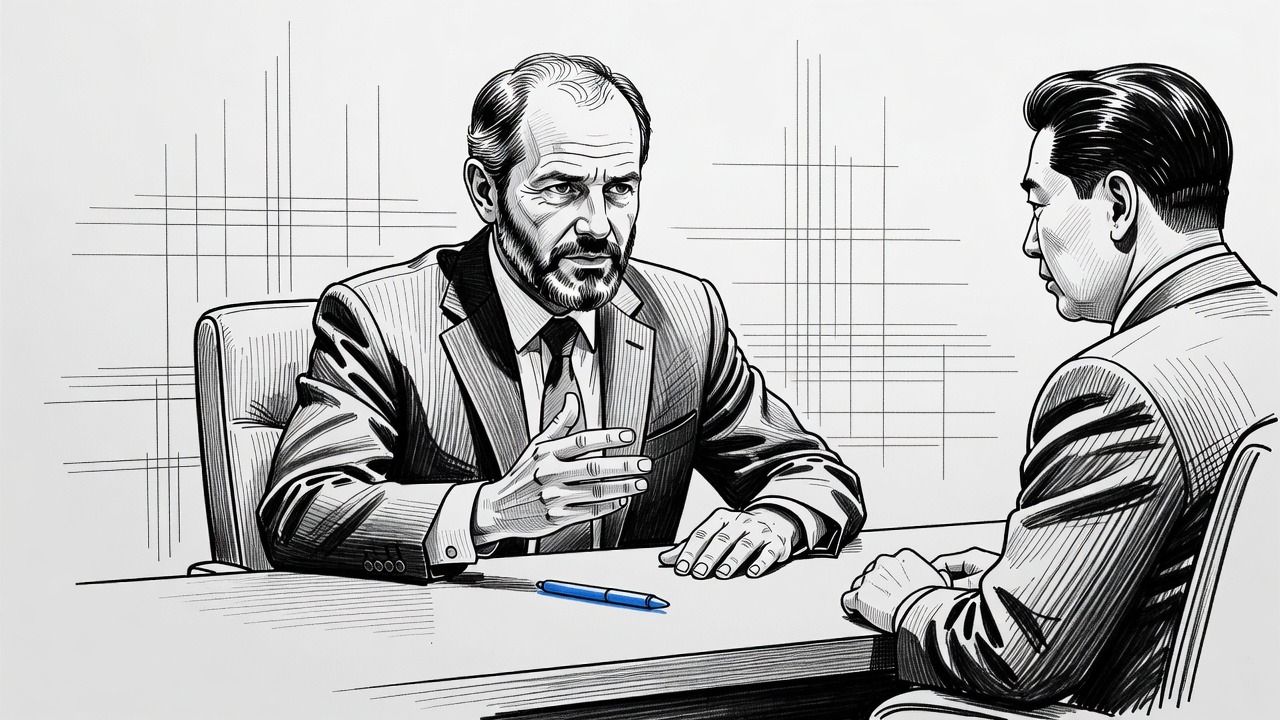
Let me say the unfashionable thing first: a president who wants to talk about nuclear weapons limits with Beijing and Moscow is doing something the Left should want. The last treaty capping the two largest arsenals was due to expire this year. China is building warheads at a pace the Pentagon says could top 1,000 by 2030. Arms control is not appeasement. It is the difference between a safe century and a short one.
Which is exactly why this summit should worry us. Serious arms control is the most tedious work in diplomacy. It means years of technical negotiation, verification regimes, inspectors, and career specialists who know the difference between a deployed and a stored warhead. Donald Trump has spent his second term hollowing out the very institutions that do that work: gutting the State Department, driving out experienced diplomats, and treating allies as customers behind on their bills. Now he flies to Shenzhen to improvise a nuclear framework with two men who have spent decades preparing for exactly this kind of encounter.
Look at the agenda he announced: Ukraine, Iran, nuclear limits, and maybe a drop-in with Kim Jong Un. That is not an agenda. It is a menu. Every item is a problem that takes years of coalition-building, and Trump plans to settle them over lunch. And look at who is missing. Discussing the war in Ukraine with Putin and Xi in the room, and Ukraine not, is not peacemaking. It is a great-power seating chart. We watched this film in Alaska last summer, when Putin got a red carpet and a photo op and Kyiv got a phone call afterward. Ukrainians were told their country's fate would be decided by whoever was willing to fly to the meeting.
The defenders will say that Nixon went to China, that talking beats shooting, that the establishment's habit of isolating adversaries produced forever wars. Fair, and I have made that argument myself. But Nixon and Kissinger arrived with years of groundwork and a clear strategic logic, and they were not trying to buy a photograph. Trump's pattern is the reverse: bluster, a headline, a vague announcement of a "deal," then silence when the details fail to materialize. Kim has been through this before. Three meetings produced spectacular pictures and no reduction in North Korea's arsenal, which has grown since.
There is also the matter of leverage, which Trump spent first. He picked tariff fights with Canada, Europe, Japan and India, the very democracies whose cooperation would give Washington weight against Beijing. American soybean farmers, who lost the Chinese market in the first trade war and were told to wait, know exactly who pays when the president treats trade policy as a mood. A man who alienates every friend and then walks into the room with the rivals is not negotiating from strength. He is negotiating from need, and Xi and Putin can smell it.
Nor can we ignore the political incentive. Trump wants a spectacle that reads as statesmanship, a Nobel-flavored narrative he can sell at home. That is a dangerous motive in nuclear diplomacy, because the person who most needs a deal is the one most easily sold a bad one. A flimsy "understanding" that lets Russia and China bank concessions, freezes American options, and abandons Ukraine would be worse than no meeting at all.
So here is the Left's position, and Democrats should say it plainly rather than reflexively sneering at the trip. Yes to arms control. Yes to talks with adversaries. No to doing it alone, with no allies, no staff, no transparency, and no Ukraine at the table. Demand that any outcome be written down, verified, and sent to Congress. Peace by photo op is not peace. It is a bill that someone else will pay.
How it may affect me
If the summit yields tariff relief or trade concessions, expect effects first in farm prices, shipping costs and consumer goods. Conversely, a collapse or new escalation could revive tariff threats and market volatility. Any nuclear or Ukraine outcome will matter less to your wallet than to long-term security, but watch for written terms rather than announcements.