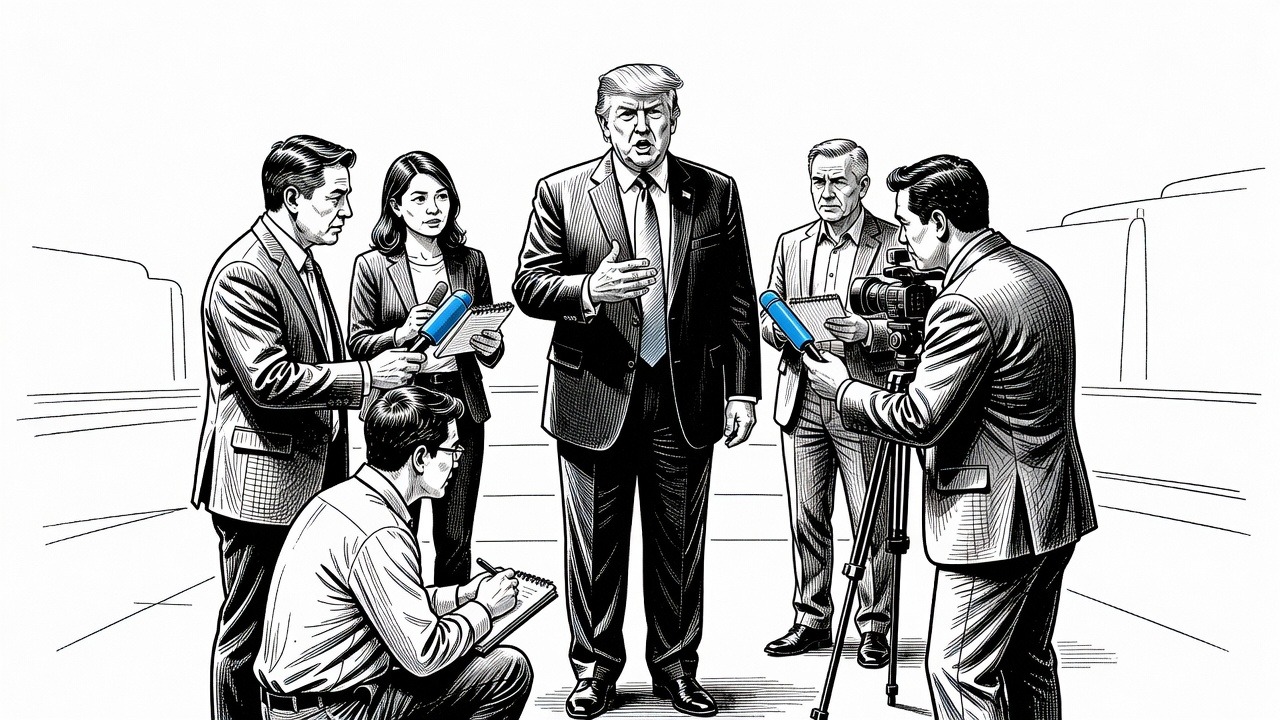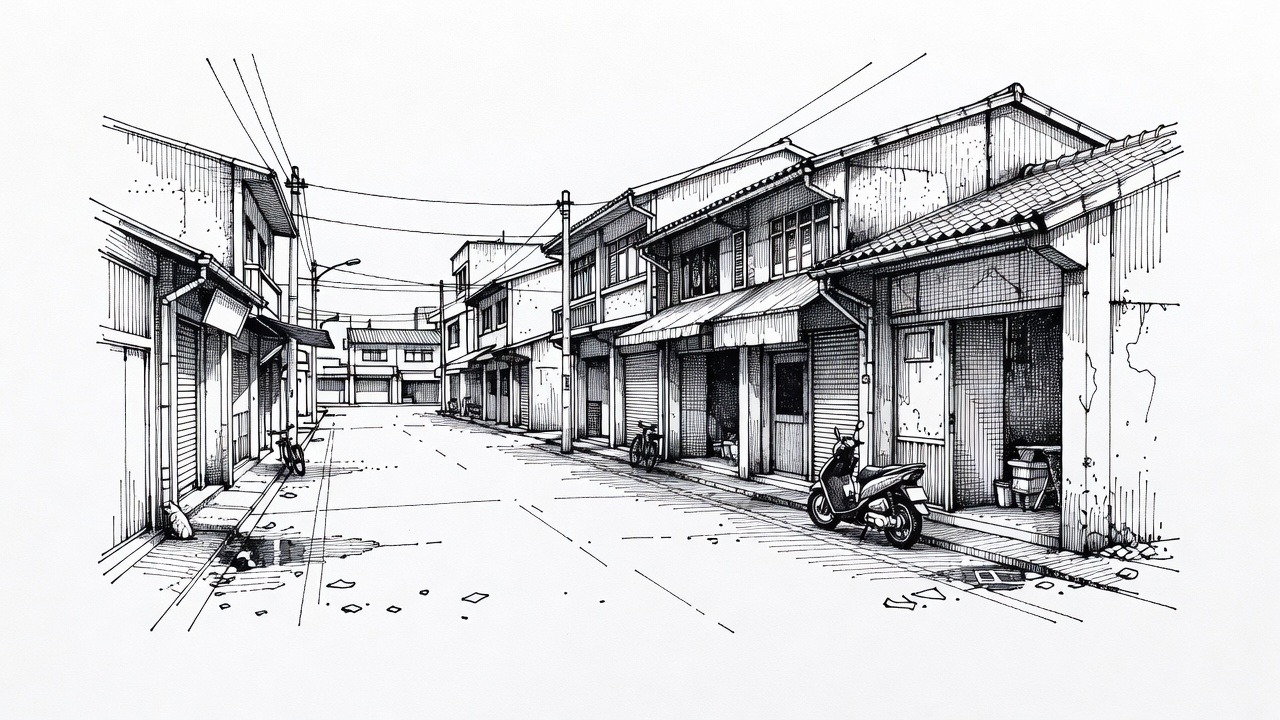
A man who wants to be mayor of Chiayi urinated in one of its streets, and a remarkable number of people immediately set about explaining why this was complicated. Chang Chi-kai apologized, went to the environmental protection bureau, and prepared to be fined. That was the adult sequence: offense, admission, penalty. The political conversation preferred a seminar.
It is a simpler story than the seminar allows. A candidate fouled a public street. The question is whether the rules still bind the people who want the power to write them.
The best case for waving it off deserves a hearing, because it is not stupid. He felt physically unwell. He could not find a restroom in time. Anyone who has been suddenly, miserably sick knows the body does not take appointments. Chiayi is not a monastery, and a mayoral race is not a purity trial. A decent city does not end a public life over one moment of physical failure. Proportion is not the enemy.
Exemption is.
Illness explains the urgency. It does not turn a sidewalk into a private toilet. The shopkeepers, workers, students, and elderly people Chang wants to represent are expected to manage the same necessity or pay for failing to. The environmental bureau is an enforcement office, not a confessional. When TPP chairman Huang Kuo-chang called for the maximum penalty, he was right — and he would be right if the man in the footage carried a KMT or DPP badge. A party selling itself as the end of double standards does not get a medical exemption the moment the embarrassment is its own. If the demand also protects a brand, good. In politics a brand is protected by the consequence, not by the statement.
Ko Wen-je offered the smoother and weaker line: admit the mistake, improve, and leave leadership to Chiayi's voters. Voters should pick their mayor. They should not be drafted as a backup sanitation department. "Let the people decide" is civics when the issue is an election. It is an exit ramp when the issue is a fine the candidate has already admitted he owes. Admission is not the penalty. Improvement is what you do after you pay, not a softer name for skipping the payment.
Nor is the clip the election. Hand a man the city, or take it from him, solely because of one foul afternoon, and you have confused a phone video with a record of government. Chiayi's next mayor will be tested by whether the streets function, the books are straight, and order is a habit rather than a press release. That judgment is harder than outrage, which is why spectators prefer the outrage.
The worse error is the fashionable one: treat any insistence on the rule as cruelty, and any sympathetic detail as a solvent. Once discomfort is enough to blur a clear public duty, the duty remains in force only for people without a spokesman. That is not humanity. It is permission, distributed by status. An older civic habit — Taiwan used to call it, without apology, knowing shame — never required leaders to be stainless. It required them to feel the difference between a private necessity and a public imposition, and not to need a viral clip to tell the two apart.
Chang told them apart afterward. Better than denial. Better than the vanishing act politicians usually attempt. Not a qualification, and not a crucifixion. Fine him as you would fine anyone else. Then decide whether a man who used the street as a convenience, even briefly, understands that the city is not his. Those are different questions. Serious politics keeps them separate. The other kind melts them together, and then acts shocked when citizens stop believing the rules mean anything at all.