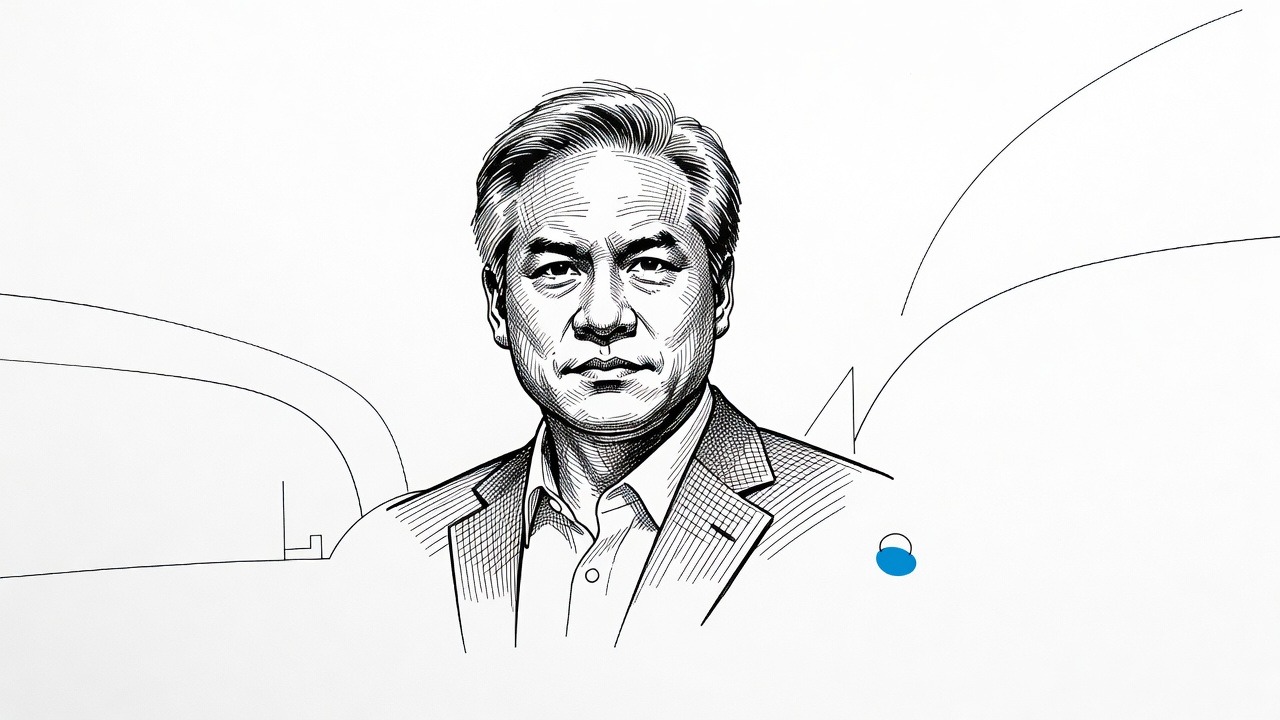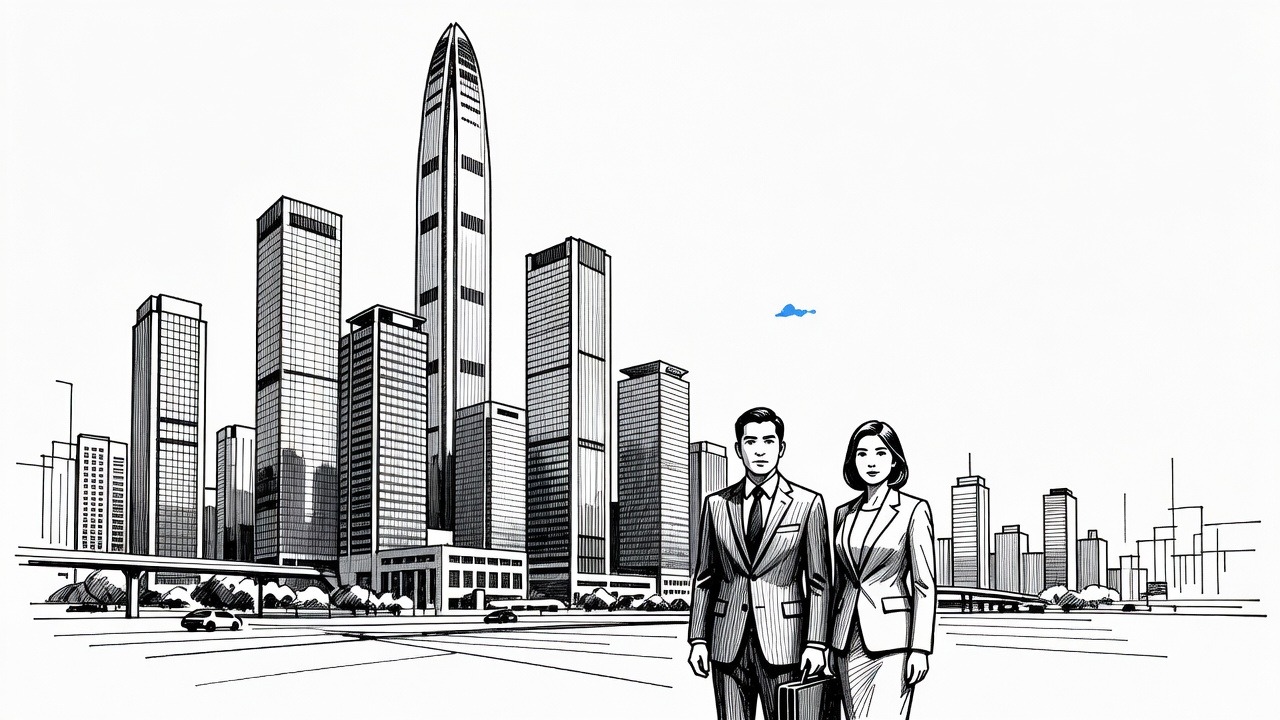
Somewhere in Santiago, a few old men who spent decades praising Pinochet for saving Chile from communism are watching their president shake hands with the general secretary of the Chinese Communist Party. Their cause is being served with a Shenzhen backdrop and a handshake.
We should enjoy the irony for exactly one paragraph, because it teaches something. José Antonio Kast won office on order, border fences and loyalty to a Western right that now orbits Donald Trump. But China is Chile's largest trading partner, by Kast's own reported admission, and copper does not care about anyone's ideology. The anticommunism was always a costume. The mines, the ports and the export revenue are real. When the Right has to choose between its culture-war theater and the commodity economy that pays for the state, it picks the money, as it always does.
The hypocrisy matters less than what comes next. Kast reportedly told Xi he wants to "uphold free trade." Fine words. Chile has had free trade with China since 2006, and it has produced what it usually produces for a resource economy: dependence. We ship raw materials out. Value, processing, patents and the high-wage jobs are created elsewhere. Now Xi proposes cooperation on AI, polar research and deep-sea exploration, which is a menu designed to extend that relationship from the ground Chile sits on to the ocean floor and the Antarctic gateway it controls. Chile should not wave that off. It also should not sign anything blind.
Here the Left has to be honest about two failures at once.
The first belongs to the Right, and to Washington. Trump's tariff bullying and his contempt for Latin America have done more to push the region toward Beijing than any Chinese diplomat. If the United States wants Chile's lithium and copper kept in friendly hands, it can offer investment, not threats. It has chosen threats.
The second belongs to us. Too many on the left treat any counterweight to Washington as automatically progressive. It is not. Xi's China is a state-capitalist power that invests where it finds resources and leverage, and it is not famous for strong labor standards or environmental care abroad. Chile's own history is a warning. A country that lets one patron dictate the terms of its economy has learned this lesson before, with American copper companies and with the Chicago Boys. Swapping patrons is not sovereignty.
So the demand is concrete. Boric's government brokered a public-private lithium arrangement, built on a simple principle: the Chilean people own the resource and should capture its upside. Whatever Kast signs in Shenzhen, that principle should be tested against it. Will Chinese investment come with local processing, battery manufacturing and technology transfer, or just bigger shipments of raw material? Will deep-sea and polar cooperation be subject to public scrutiny and environmental review, or negotiated behind closed doors by a government that has little love for either? Who gets the royalties, and who gets the contracts?
We also know almost nothing from this meeting beyond Beijing's account. The readout comes from the Chinese side. Kast's government owes Chileans a plain explanation of what was discussed and what was promised, particularly from a president who campaigned on national sovereignty. If he can talk about sovereignty on the border, he can talk about it in the lithium flats of Atacama.
The lesson is not that China is the answer, or that it is the enemy. It is that a small, resource-rich country gets only as much out of a great power as its own public institutions can demand. The Right, which despises those institutions, is poorly placed to bargain. Chile needs a strong state at the table, not a free-trade slogan and a photo op.