The most alarming sentence in this story is the one meant to reassure us: there was no sign of a cyberattack or hostile action.
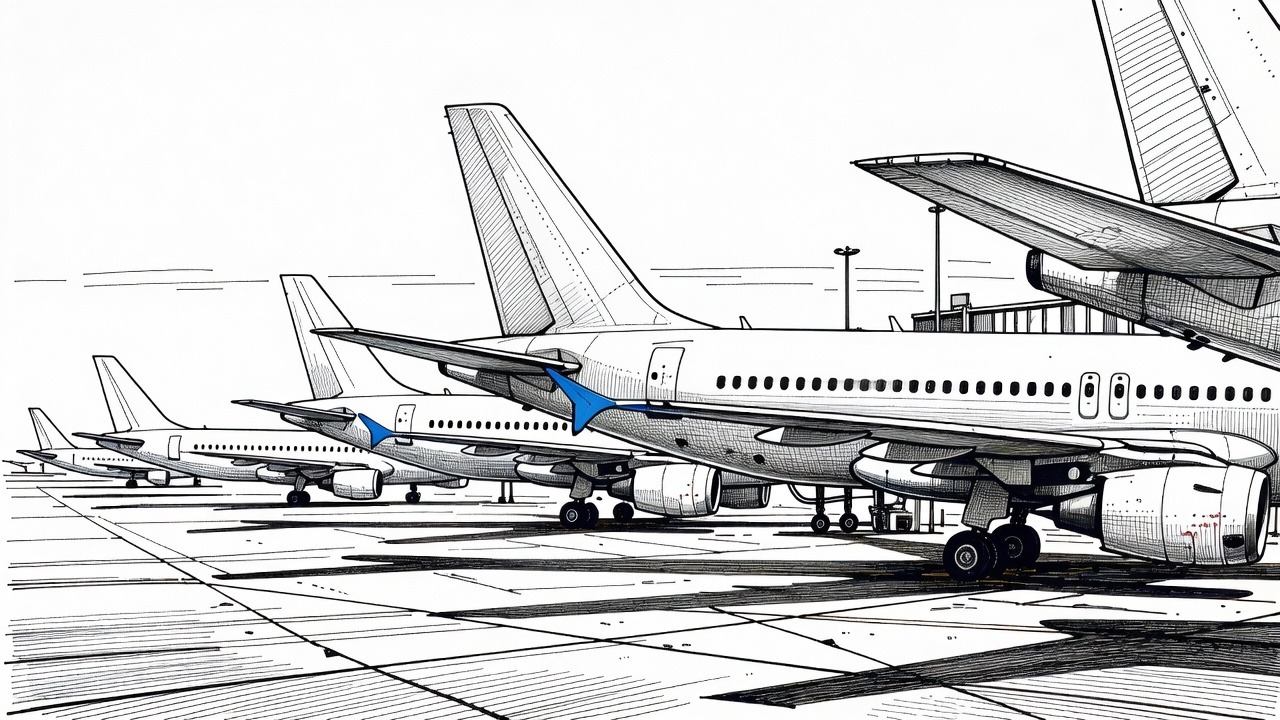
That means no villain was needed. According to Transportation Secretary Sean Duffy, equipment started flooding connected routers with logon attempts during work at an FAA location. The instability spread to 17 facilities, and the aviation system of the world's richest country seized up. The country did this to itself, through brittle systems, thin margins and the quiet accumulation of deferred maintenance. An adversary could hardly have designed a more embarrassing demonstration.
Americans should be angry, and the anger should have a target. Air traffic control is a public good in its purest form. No airline can build it, no market will price it correctly, and no traveler can opt out of it. Its reliability depends on boring, sustained, competent public investment, which is exactly what Washington has struggled to deliver for decades. Congress lurches from sequester to shutdown to short-term extension, then acts shocked when infrastructure running on old equipment and patience fails.
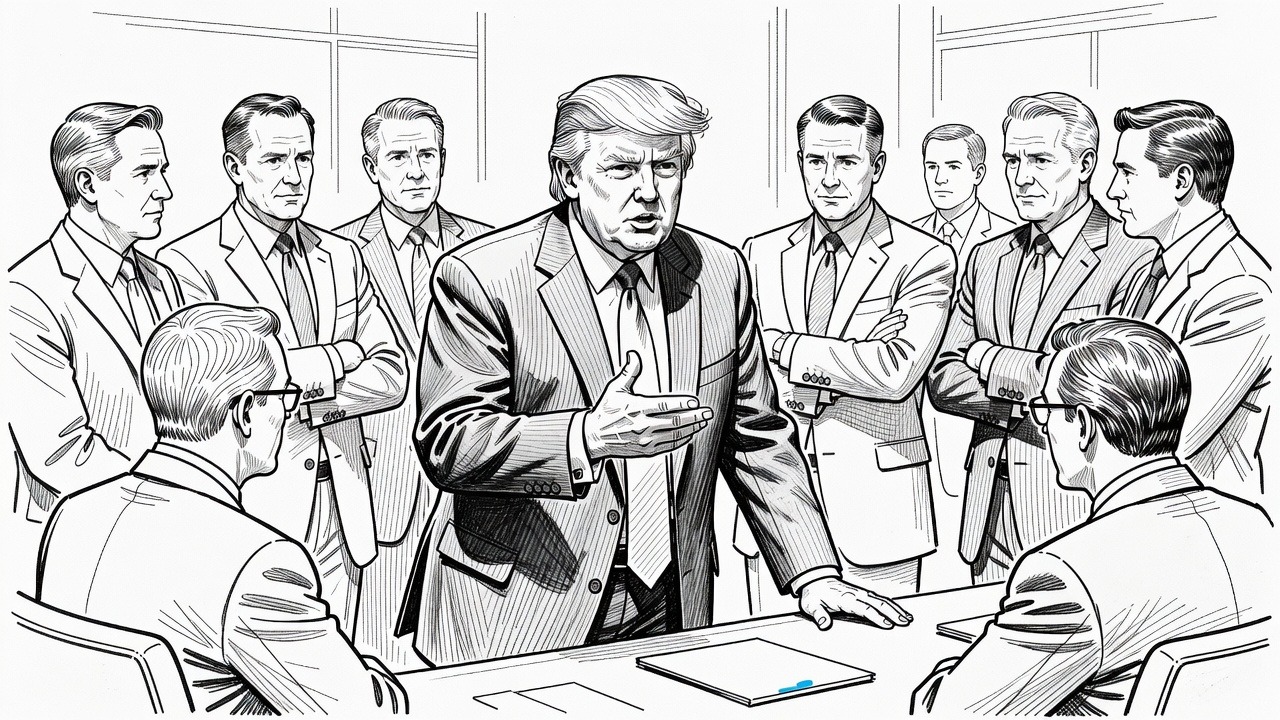
Now the Trump administration wants more money to modernize the system. Fine. Modernization is overdue, and Democrats should not pretend otherwise or treat a crisis as a chance for sneering. But Representatives Rick Larsen and Andre Carson have asked the question that matters: why is the administration asking for more when, by their account, it has spent only $1 billion of an earlier $12.5 billion allocation?
That is not a procedural quibble. It is the whole story. A government that says the system is dangerously outdated, receives a historic sum to fix it, and spends less than a tenth of it has to explain itself. Maybe the money is committed to contracts, design work and long lead times. Maybe procurement is a swamp. Maybe the plan is sound and the rollout is slower than the rhetoric. The public has not been told, and 'trust us' is a poor standard for the infrastructure that keeps planes from colliding.
There is also a deeper hypocrisy. This administration came to power treating the federal workforce as bloat, expertise as an enemy, and public institutions as props for cost-cutting theater. You cannot run a government that disdains government and then act surprised when a critical network breaks. Technology does not maintain itself. The people who understand these systems are public servants, and the contractors who profit from them need supervision.
Senate Majority Leader John Thune deserves some credit for preferring bipartisan negotiations over a Republican-only approach. Air safety should not be hostage to reconciliation maneuvering. But bipartisanship is a process, not a virtue. Democrats should enter these talks with demands, not just a willingness to attend.
First, a public spending schedule showing what has been obligated, what has been spent and what has been delivered from the $12.5 billion. Second, milestones tied to future money, so funding follows results. Third, transparency about contractors, costs and timelines. Fourth, a plan for the human side of the system, including controllers and technicians, because a shiny network run by an exhausted, understaffed workforce is still a fragile one.
Democrats also need to avoid a trap of their own. 'Accountability' can become a polite word for obstruction, and a party that champions public goods cannot be the one that lets them rot because the credit would go to Donald Trump. If the plan is credible, fund it. If it isn't, make the administration prove otherwise.
This fight is bigger than one ground stop. It tests whether the United States still believes it can build and maintain the shared systems that modern life depends on, or whether we will keep underfunding them, then demand more money after they fail, and call the cycle governance.
How it may affect me
If a flight is cancelled and you decline the rebooking offered, U.S. rules generally entitle you to a refund, not just a voucher. Check your airline app before leaving for the airport, and keep records of delays and expenses. During major disruptions, booking earlier flights and avoiding tight connections lowers your risk.