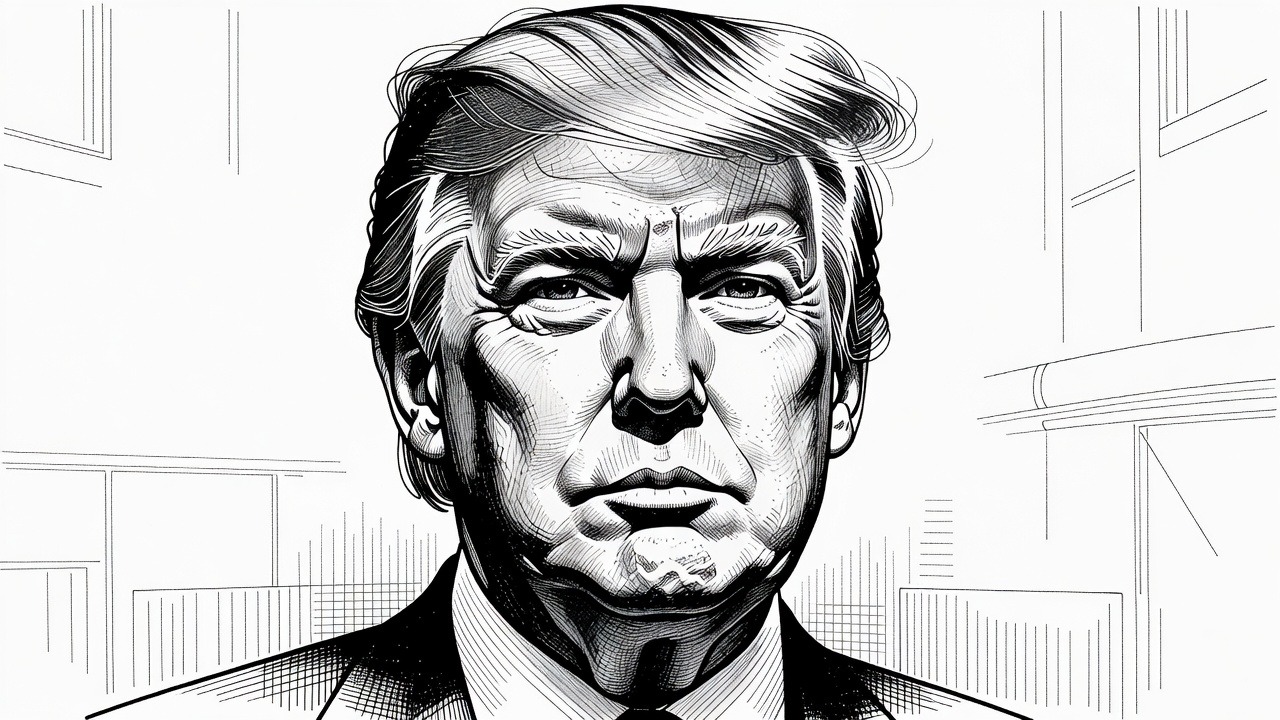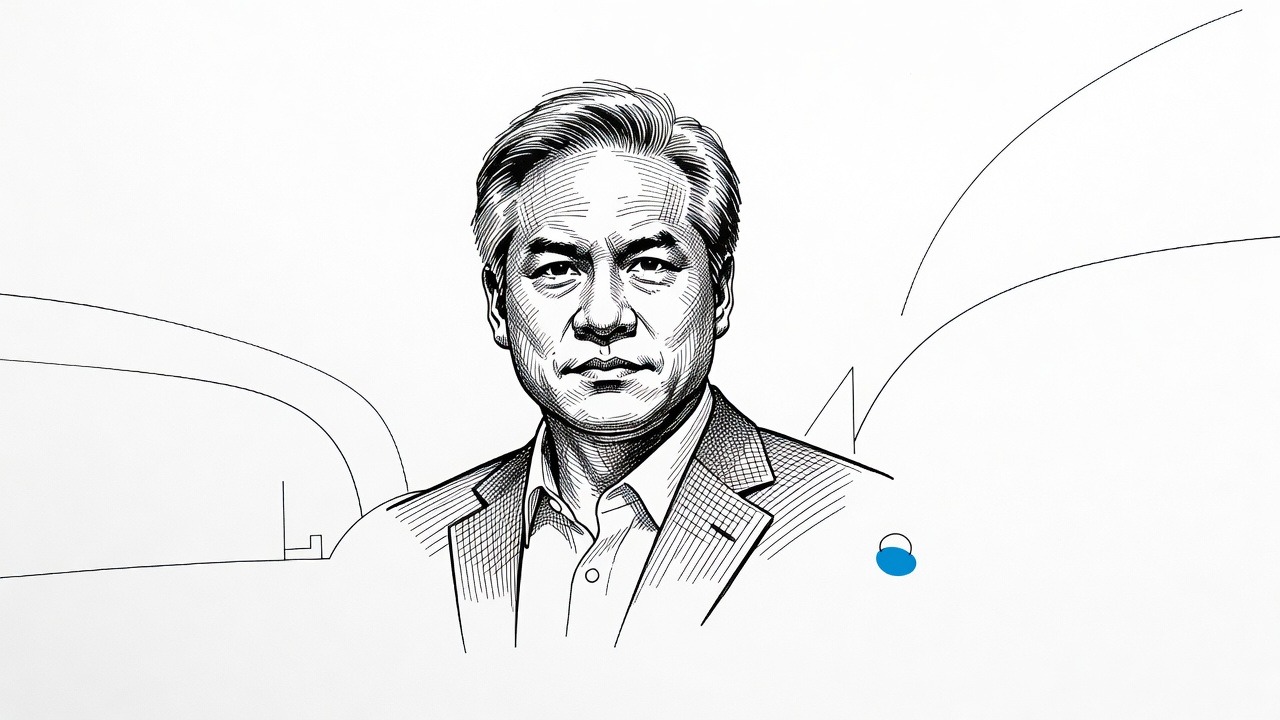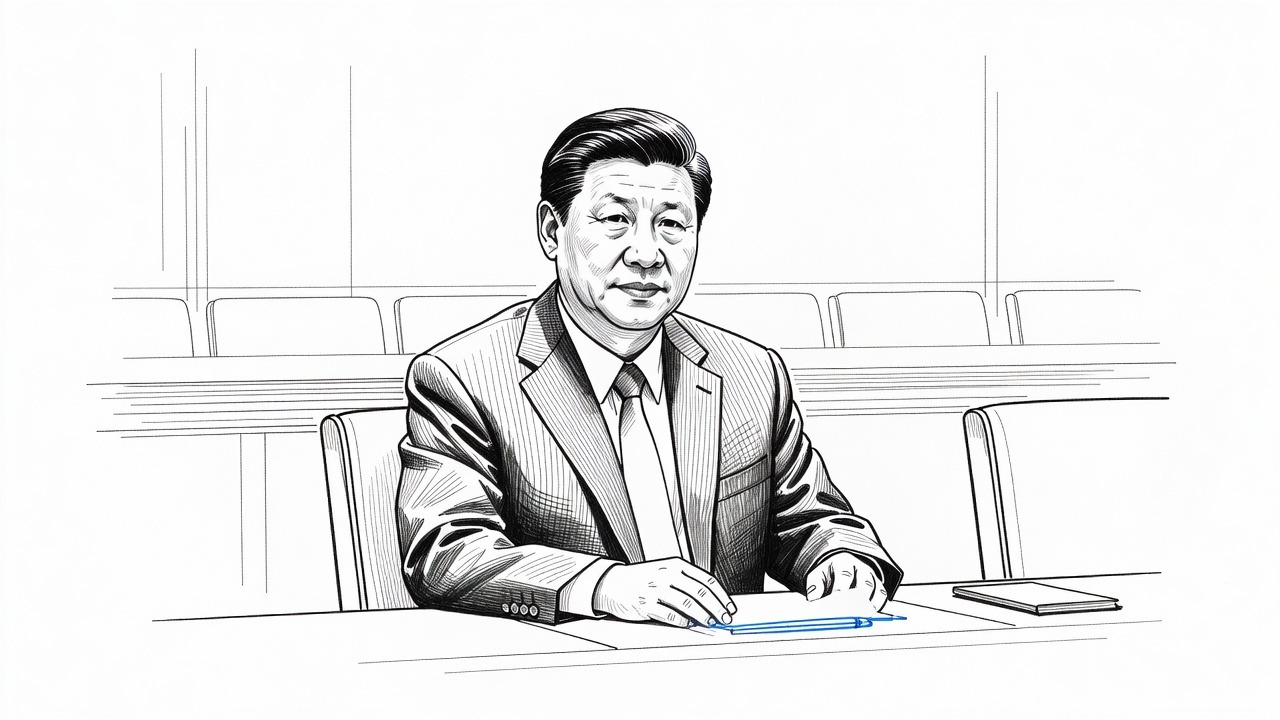
Three men will sit in a room in Shenzhen on Thursday. Two run countries that jail their critics. The third has spent a decade telling Americans that those men are strong and that our allies are freeloaders. Nobody can tell us the agenda. Trump says Ukraine will come up, and apparently that is all we get.
Let me say first what this column is not. I am not against talking to Beijing or Moscow. The Left has a long, honorable tradition of insisting that diplomacy beats escalation, and anyone who wants the killing in Ukraine to end should want serious negotiation. Democrats who reflexively treat any meeting with an adversary as treason are embarrassing themselves.
But this is not serious negotiation. It is a summit of great-power vanity, and the guest list is the scandal. Ukraine, the country whose territory and future are supposedly up for discussion, has no seat. Neither does Europe, which a European official says will gain nothing from the meeting. Neither does Taiwan, which can only say it "welcomes efforts that promote regional peace and stability." That is what a government says when it is afraid of being traded and cannot say so aloud.
The nineteenth-century word for this is a concert of powers. The twentieth-century word is Yalta. Big states decide, small states adapt. The Left grew up opposing exactly that logic, in Vietnam, in Central America and in every proxy war where Washington treated other people's countries as chips. We cannot drop the principle because the dealmaker this time wears a red tie and hates the same bureaucrats we do. Self-determination is not a conservative or liberal virtue. It either applies to Ukrainians and Taiwanese or it means nothing.
Notice, too, what Putin used his platform for. He told business leaders that Europe is deindustrializing and that Russia's economy has proved resilient under U.S. sanctions. Both claims are propaganda aimed at one audience, the American president who loves winners. The first is a dig at the allies Trump has spent a year humiliating with tariffs and insults. The second is a pitch: sanctions don't work, so lift them. Every sanction relieved without a ceasefire, withdrawal or accountability is a reward for invasion. A man who calls Russia resilient is telling you what he wants to be paid for.
Then there is the way this is being done. No published agenda. No consultation with Congress. No public explanation of what America would give up. Trump governs foreign policy as personal relationship management, and his instinct is to prize the flattering strongman over the inconvenient democracy. When the one person who decides is also the person most susceptible to flattery, the national interest becomes whatever plays well in the room. That is not strength. It is a vulnerability Xi and Putin have studied carefully.
Democrats should be sharper here. It is not enough to scold Trump for meeting dictators. The stronger argument is that he is meeting them badly, alone and in secret, while spending down the one asset America has that China and Russia cannot buy: a network of allies who choose to stand with us. Beijing has no equivalent. Moscow has what is left of one. Every insult to Brussels, Tokyo and Seoul is a gift to the two men sitting across the table.
The working people on whose behalf this is all supposedly done will pay for any bad bargain. They are the farmers who lose export markets, the factory workers whose jobs ride on tariff whiplash and the families who fund a defense budget that depends on credible commitments. They get no vote in Shenzhen, either.
If Thursday produces a real ceasefire with Ukraine at the table and sovereignty intact, I will say so gladly. If it produces a handshake, a vague "productive conversation" and quiet concessions leaked later, we should remember who was missing from the room.