Let's start with what we don't know, because the Washington spy-hunt machine is already warming up. We don't know that Alice Huang is a Chinese agent. JD Vance, who has seen the intelligence, says it doesn't clearly support that. Donald Trump says her status is unconfirmed. When even this administration won't make the accusation, the Left should be the first to refuse to make it for them. Guilt by association with a Chinese businesswoman is a bad standard, and Chinese-American and Chinese-national professionals have been burned by it before. If there is evidence, show it. If there isn't, stop insinuating.
But the question of whether she is a spy distracts from the scandal that is already documented. It is about who gets access to power and who profits from it.
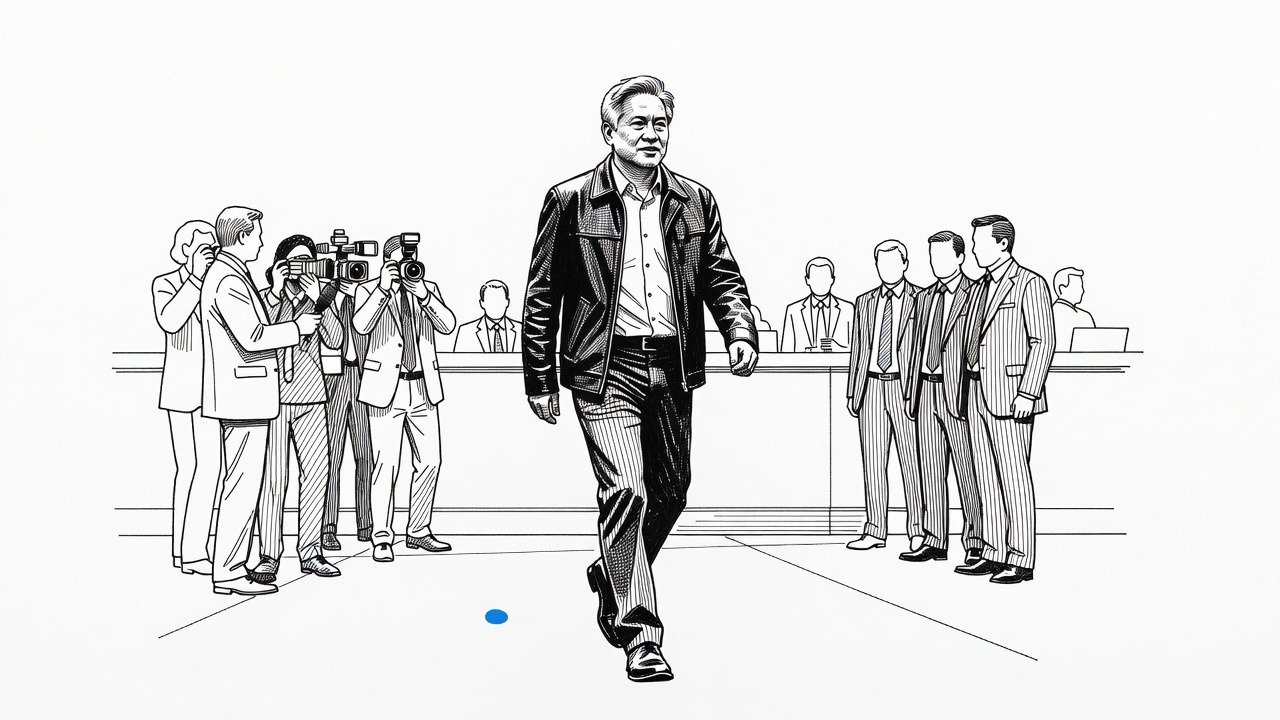
Nvidia's most valuable product, advanced AI chips, is also one of the most strategically sensitive exports in the world. Whether those chips reach China is a national security decision. In this administration it has been treated as a negotiation. Last year Washington let Nvidia resume selling certain chips to China in exchange for the government taking a cut of the revenue. Export controls were supposed to be a wall. They became a toll booth. Jensen Huang spent the year working the president, and it paid off.
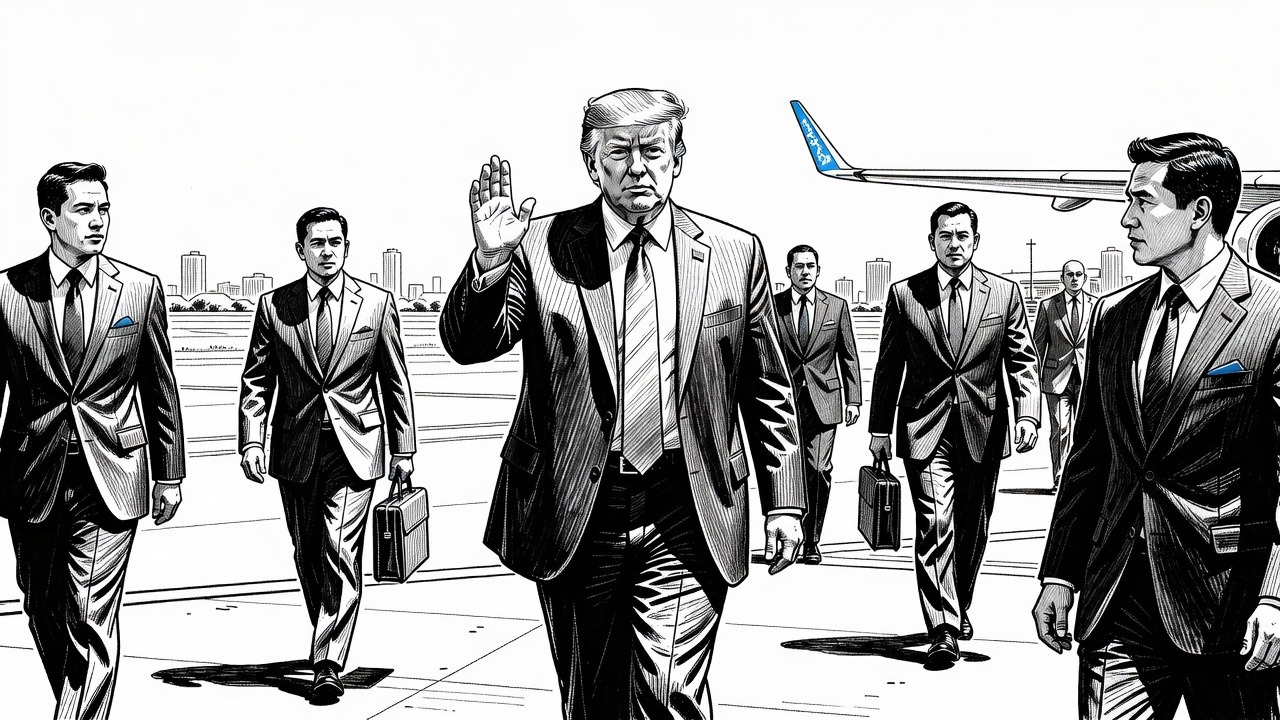
Now look at the other fact in the story. Trump's investment accounts carried out at least 103 Nvidia stock transactions after he returned to the White House. The White House says independent advisers manage his holdings without his involvement. Maybe so. But that is the sentence every conflicted official has used since the invention of the blind trust, and it is not a blind trust. The president knows what he owns, and he knows what his decisions do to the stock price. He is also the one deciding whether Nvidia can sell its best products to its biggest potential market. An ordinary employee who traded like this ahead of decisions she controlled would be fired, and possibly charged.
That is the real story. Washington is arguing over whether a founder's personal relationship compromised national security, while the more obvious compromise sits in plain sight. The enforcement of the rules on a $4 trillion company is entangled with the financial interests of the man doing the enforcing.
Notice, too, what Nvidia's response is. A company that lobbied successfully to loosen export controls has now created an internal oversight committee for national security and export controls. That is a company marking its own homework. Huang stepping aside while saying he'd return if the board asks is not accountability. It is a pause. Nobody should mistake it for a reckoning.
The House committee interview on Dec. 1 is a chance to ask real questions. How many meetings did Huang have with administration officials before the chip-sale decisions? Who in the government weighed the security risks, and were they overruled? What were the terms of the revenue-sharing arrangement, and does it make the government a partner in the sales it is supposed to be policing? And will anyone ask the White House for a full accounting of the president's Nvidia trades, rather than accepting a spokesperson's reassurance?
Democrats should resist two temptations here. One is the cheap xenophobic frame. The other is selective outrage that vanishes when the conflicts belong to someone else. The principle is simple. People who control decisions worth billions should not be trading in the companies those decisions affect. That applies to a tech founder, to a member of Congress and to a president. A government that can be bought, or that even looks that way, can't credibly protect anyone from China, from monopolies or from itself.
How it may affect me
Nvidia is one of the largest holdings in most S&P 500 index funds, so a leadership shake-up and a prolonged investigation can move the value of ordinary 401(k)s and retirement accounts, not just the portfolios of the wealthy. Expect volatility around the Dec. 1 House interview.