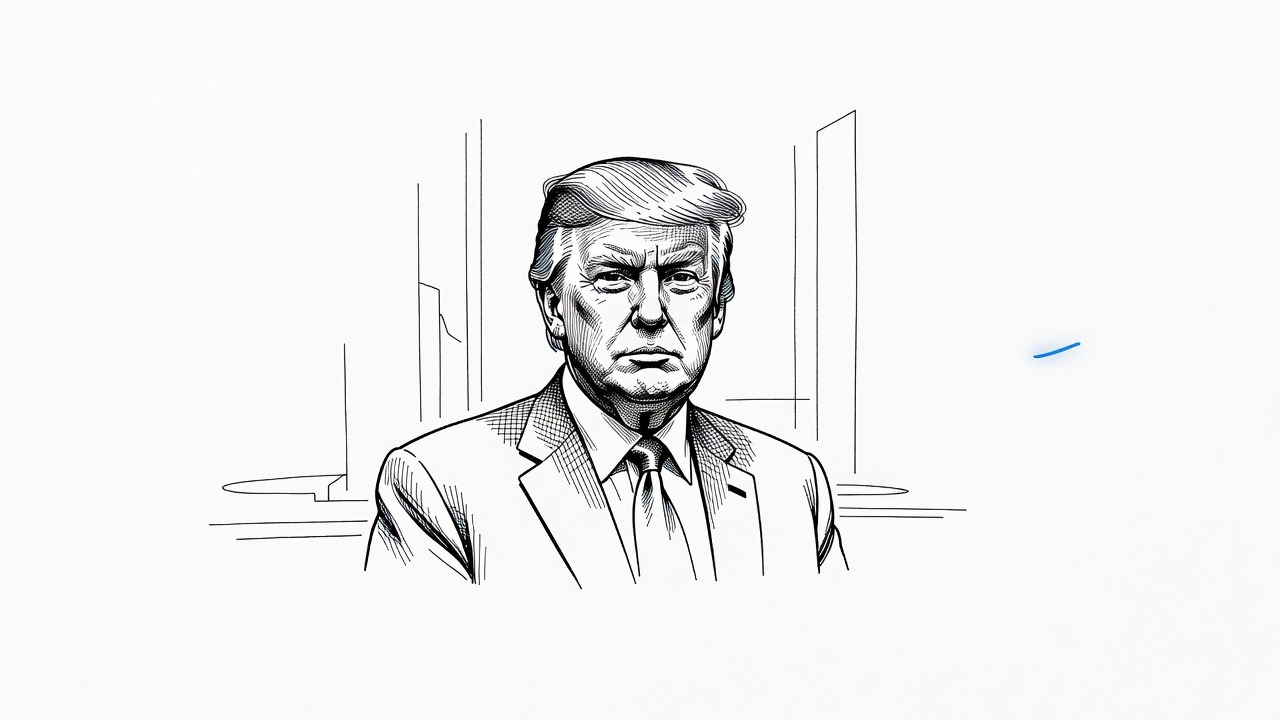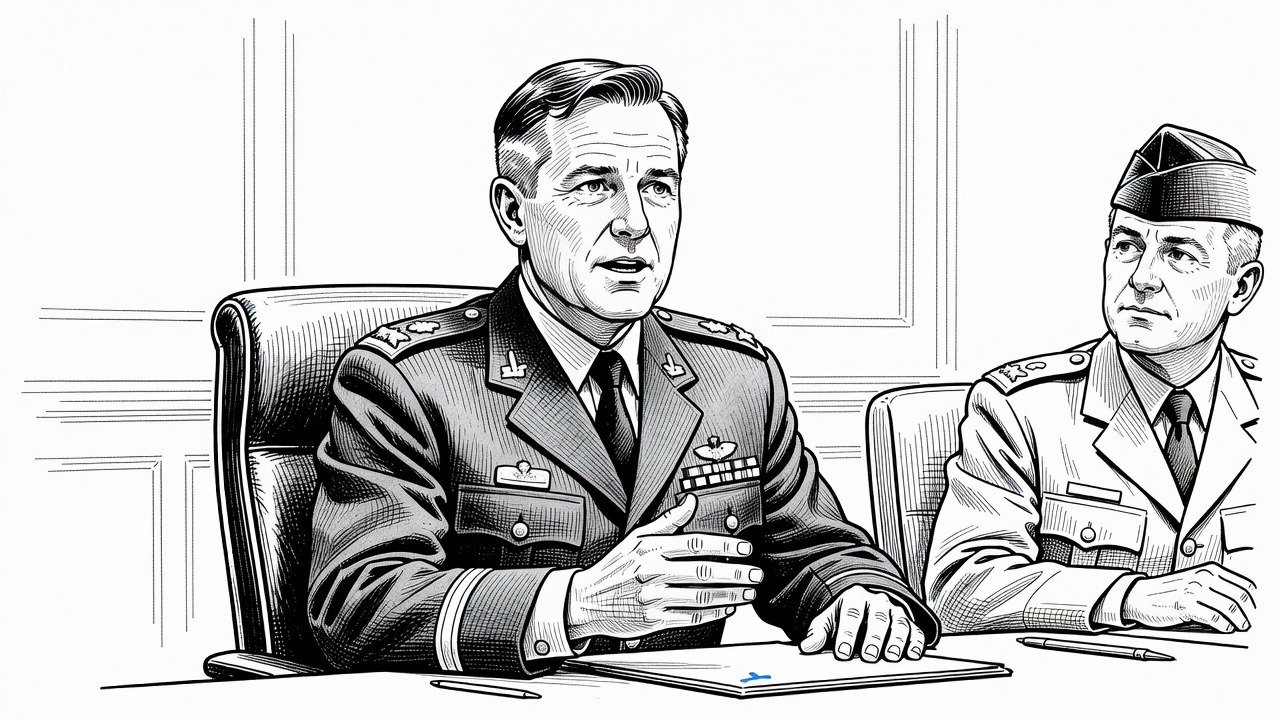
Notice the grammar of JD Vance's explanation for the Republican midterm wipeout. Republicans lost because of "the war with Iran." Not because the administration launched it, or because he sat in the room while it happened. The war arrives like weather, an unfortunate event that fell on a party that merely happened to be in charge.
A war is not weather. Somebody chose it. The vice president who now wants credit for diagnosing the damage was part of the government that did the choosing, and the people who paid were not in that room. They paid at the pump. Trump himself now links higher gas prices to the Iran war, and he says his deportation agenda hurt Republicans too. That is a remarkable thing for a president to concede. Voters were handed a bill for two of this administration's signature projects, and they declined to pay it.
Vance's pivot to "domestic prosperity" is the tell. It is what politicians say when the thing they did is unpopular and the thing they promised hasn't arrived. He wants to run as the sensible heir who sees the problem. But he cannot be both the loyal deputy and the dissident. Vance built his national brand as the Republican who was skeptical of foreign entanglements, the man who understood that Ohio and Pennsylvania families bury the soldiers and fund the wars. Where was that man when it counted? If he opposed this war, he owes the country a record of saying so. If he supported it, then his post-election lament is just focus-group laundering.
The White House response only sharpens the point. Spokesman Davis Ingle offered the standard list: tax cuts, border security, job growth. Voters apparently weighed that list against their own gas bills and found it wanting. Tax cuts that skew toward those who needed them least do not offset a price shock that hits everyone who drives to work. "Border security" is the same agenda the president says cost his party votes. This is a defense of a record the president is privately, and now publicly, conceding was a liability.
Then there is Marco Rubio, the secretary of state, who says he won't run and will back Vance. Fine. But the man who runs the diplomacy of a war the voters just repudiated is not stepping aside out of modesty. He is helping to clear a field before anyone has to answer for what happened. The Republican establishment has decided that the next nominee should be the person who can say "mistakes were made" most smoothly, and Vance is auditioning.
Democrats should draw two lessons, and neither is comfort. First, the party made gains in the House and Senate, but a backlash is not a mandate. Voters who punished Republicans over gas prices and mass deportation will punish Democrats just as fast if relief doesn't come. The Left's task is to give those voters something affirmative: cheaper energy, a labor market that rewards work, and an immigration policy that doesn't treat cruelty as competence.
Second, do not let this successor-in-waiting rewrite the past. Vance says he will decide next year. Between now and then, every Democrat with a microphone should ask him the same plain question: you were there, so what did you say, and when? Voters deserve an answer before he gets to run as the cure for a disease his own administration spread.