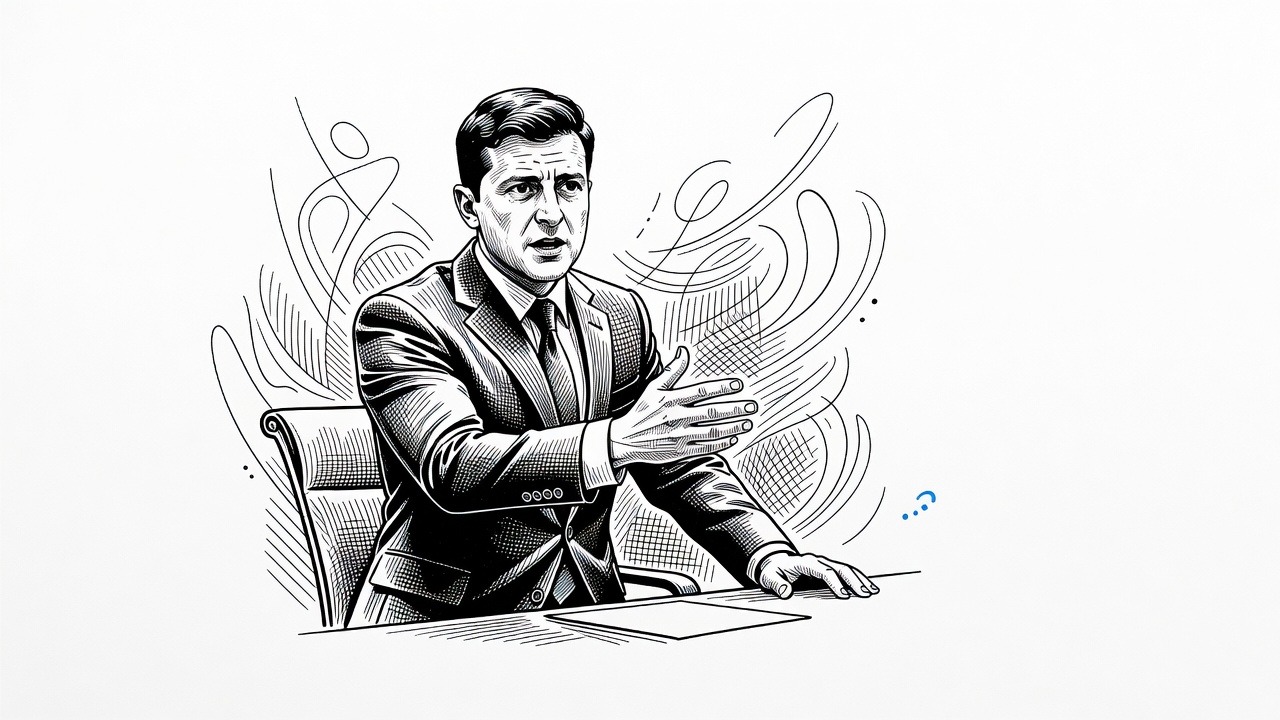
Mark Carney says Canada could work with Chinese companies if the Trump trade talks collapse. Official Ottawa will treat this as a diplomatic indiscretion. It is better read as a long-overdue admission: Canada has spent decades sending roughly three-quarters of its exports to one customer, and that customer has now shown it will use the relationship as a weapon.
The tariffs on steel, aluminum, autos and lumber were not a misunderstanding. They were a demonstration of leverage. Carney is right that they have frayed the integrated North American market that Canadian industry was built around. Workers in Windsor, Sault Ste. Marie and Oshawa are absorbing the damage, not the economists who told them integration was permanent. A country that learns this and does not diversify deserves what comes next.
But the Left should resist two lazy reflexes.
The first is the liberal-internationalist gasp that talking to Beijing betrays our values. Spare us. The same Canadian establishment that lectured about rules-based order was content to ship its economic future through a country that now openly muses about annexation. Moral clarity about China is easy when it costs nothing, and Canada's version has often cost nothing because it was cheap deference to Washington. Ottawa's 100 percent tariff on Chinese electric vehicles followed the American lead. China answered by hammering canola, pork and seafood, and prairie farmers paid for a foreign-policy gesture they never voted on. If we are going to stand on principle, we should also have a plan for the people who get hit.
The second reflex is more dangerous, and it will come from Carney's own world: treating Chinese capital as a rescue. Swapping one dominant patron for another is not sovereignty. It is a change of landlord. If Chinese firms are going to build batteries, EVs or critical-mineral processing in Canada, the terms should be ours, and we should be unembarrassed about demanding them.
There is a model, and it is Beijing's own. When foreign automakers wanted into China, the state required joint ventures, local content and technology transfer. China did not become the world's EV powerhouse by being polite to foreign capital. It bargained hard. Canada should do the same: Canadian ownership stakes, domestic supply chains, union recognition, real training and research commitments, and enforceable limits on data and security risks. Unifor and the broader labour movement are right to ask whether a flood of subsidized imports will hollow out Ontario's auto sector. They are right to insist that any deal bring jobs, not just cars.
That is the difference between diversification and drift. A government that says it wants a strong Canadian economy must be willing to use public power to get one: public investment, procurement, strategic ownership and an industrial policy with teeth. Canada has been bargaining as a supplicant for so long that it has forgotten it holds cards. It has critical minerals, hydro power, clean-energy potential and a market the world's manufacturers want. Those are not favors to hand out.
Nor should this be only a bluff to bring Washington back to the table. If Carney is merely brandishing China to rattle the White House, he is repeating the old mistake in a new costume, treating Canadian economic strategy as a negotiating prop for the American relationship. The more serious reading is that the relationship has changed for good, and trade policy should be rebuilt around that fact: more partners in Europe, Asia and the Global South, more domestic capacity, and less exposure to the moods of one man.
China is not a friend, and Xi's keynote to a room of CEOs is not a conversion to fair trade. The point is not to trust anyone. It is to stop being so dependent that trust is the only option. Canada can talk to Beijing, but it should do so as a country with a plan, a labour movement at the table, and a spine.
How it may affect me
If Canada pursues deeper ties with Chinese firms, the effects will vary. Auto and steel workers could see jobs created or lost depending on whether any deal requires local production. Prairie farmers could benefit if China eases retaliatory canola and pork duties. Consumers might eventually see cheaper EVs if tariffs are loosened. Continued U.S. tariffs would keep raising costs for cross-border goods.