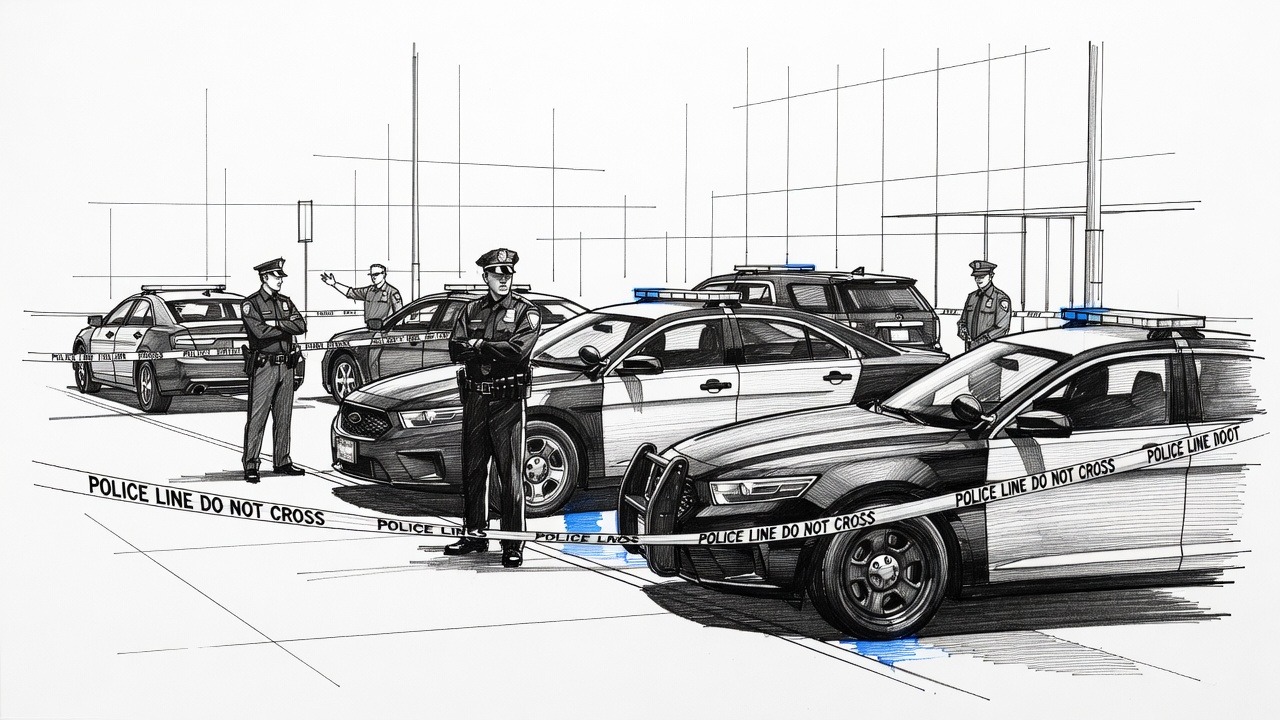
A man walked into a gym on a Thursday morning, a place people go to feel a little healthier before work, and started shooting. One person is dead. Four are wounded, one critically. Then came the two-hour standoff, the shelter-in-place order, the evacuated apartment building, the closed streets. By lunchtime the capital had absorbed it and was moving on.
That quick absorption is the story.
We don't know the motive, and decent people should resist pretending otherwise. But police have told us enough to see the outline: a gym member, a handgun, and a dispute involving the building's homeowners association. Strip away the details and the shape is painfully familiar. A grievance that in almost any other country would end in a lawsuit, a shouting match or a bitter neighborhood feud ended with a corpse. The grievance isn't unique to America. The easy access to a gun that can turn it into a massacre is.
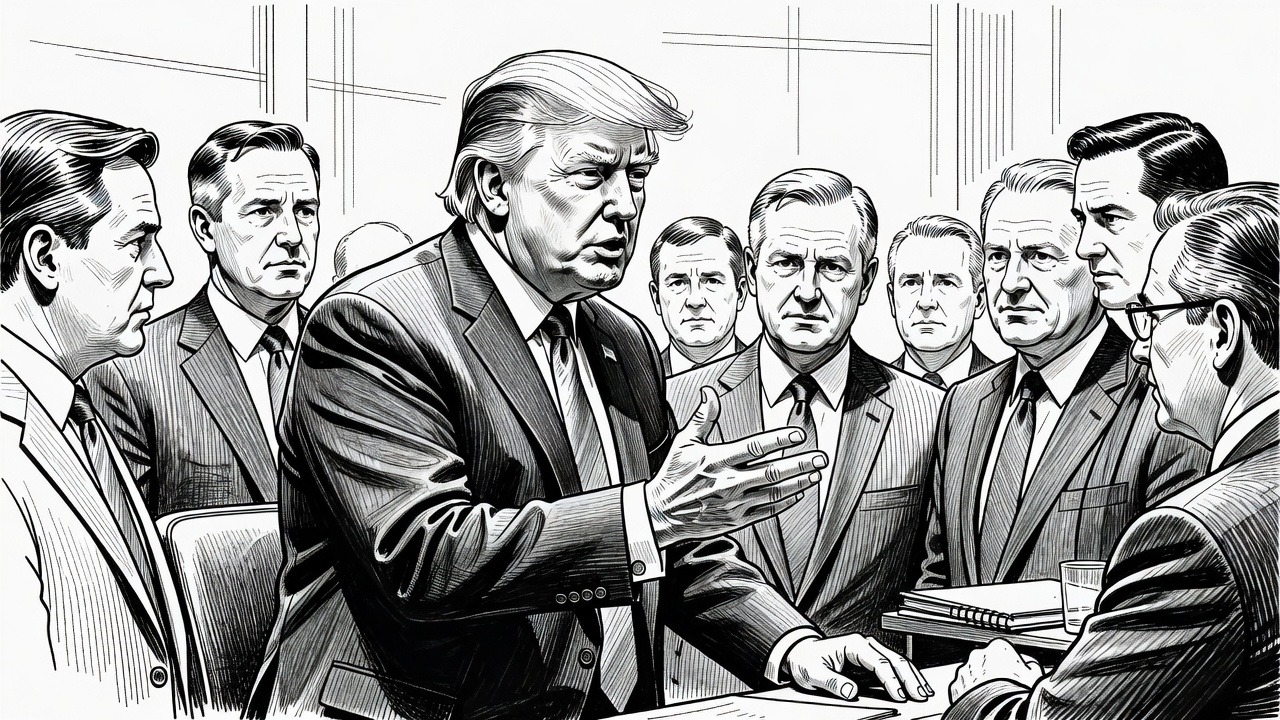
This matters in Washington in particular, because the city has spent the past year as a stage set for a certain theory of public safety. The president declared a crime emergency, federalized the police for a time, and filled the streets with National Guard troops and federal agents. The theory is that danger is something strangers bring into the city from outside, and that enough uniforms in enough places will contain it.
No number of soldiers outside Logan Circle stops a man who is already inside the gym, already a member, already known to the building. Violence like this doesn't announce itself on a street corner. It builds in the ordinary friction of shared life, over money, noise, rules, humiliation and pride. It becomes lethal only when a loaded weapon is within reach of someone at his worst moment. A show of force is useless against that. It also lets politicians avoid the one variable they refuse to touch.
The Right will answer that criminals don't obey gun laws, and that this one fired at police during the standoff. Both things can be true and still miss the point. Plenty of shooters in the American record were not career criminals. They were people with a grievance, a purchase and a bad day. Gun policy aimed at those people, through waiting periods, safe-storage rules, red-flag orders and limits on easy carrying, is not a fantasy. It is how other wealthy countries keep a neighbor's temper from becoming a funeral. We still don't know how this suspect got his gun, and that question deserves a straight public answer, not a shrug.
Democrats shouldn't feel smug either. Too often our response to a shooting like this is a statement, a hashtag and a moment of grief that fades before the street reopens. We have let 'common-sense gun reform' become a slogan we recite rather than a fight we win. Washington has some of the stricter gun laws in the country, and it is also surrounded by a country awash in firearms and a Supreme Court that has made restrictions harder to defend. If we want to be taken seriously on safety, we have to say plainly that this is the debate, and we have to be willing to lose friends over it.
The people in that gym were doing something small and hopeful. They were lifting weights, stretching, starting a day. They were shot by a member of their own community. The dead person has a family that will not get a standoff recap or a policy seminar. They will get silence where someone used to be.
A city that deploys troops to fight a crime emergency but cannot keep a handgun out of an angry man's hands in a neighborhood gym has chosen its priorities. Those priorities are about theater, not safety.