Voters went to the polls on Nov. 3 worried about what things cost. The White House has now answered, in effect: we heard you, and we're keeping the tax.
That is what a tariff is, and the administration's own friends say so. Gary Cohn, who served as Donald Trump's top economic adviser, described the tariffs as a consumption tax paid ultimately by American consumers. That is not a partisan smear. It is the plain description from a Goldman Sachs veteran who helped run the first Trump economy. Washington is collecting revenue at the checkout counter, on tools, appliances, clothes and car parts, and calling it national strength.
Consider who pays. A consumption tax takes the biggest bite from people who spend most of what they earn. A family stretching a paycheck to the end of the month buys goods, and that family pays the tariff on nearly every dollar. A billionaire's tariff burden is a rounding error. Republicans who spent decades denouncing tax increases on working people have built the most regressive new levy in a generation, and they did it without a vote in Congress on the rate. When Jim Goyer says the policy will continue for the rest of the term, he is telling voters their grocery bill is a settled matter of presidential preference.
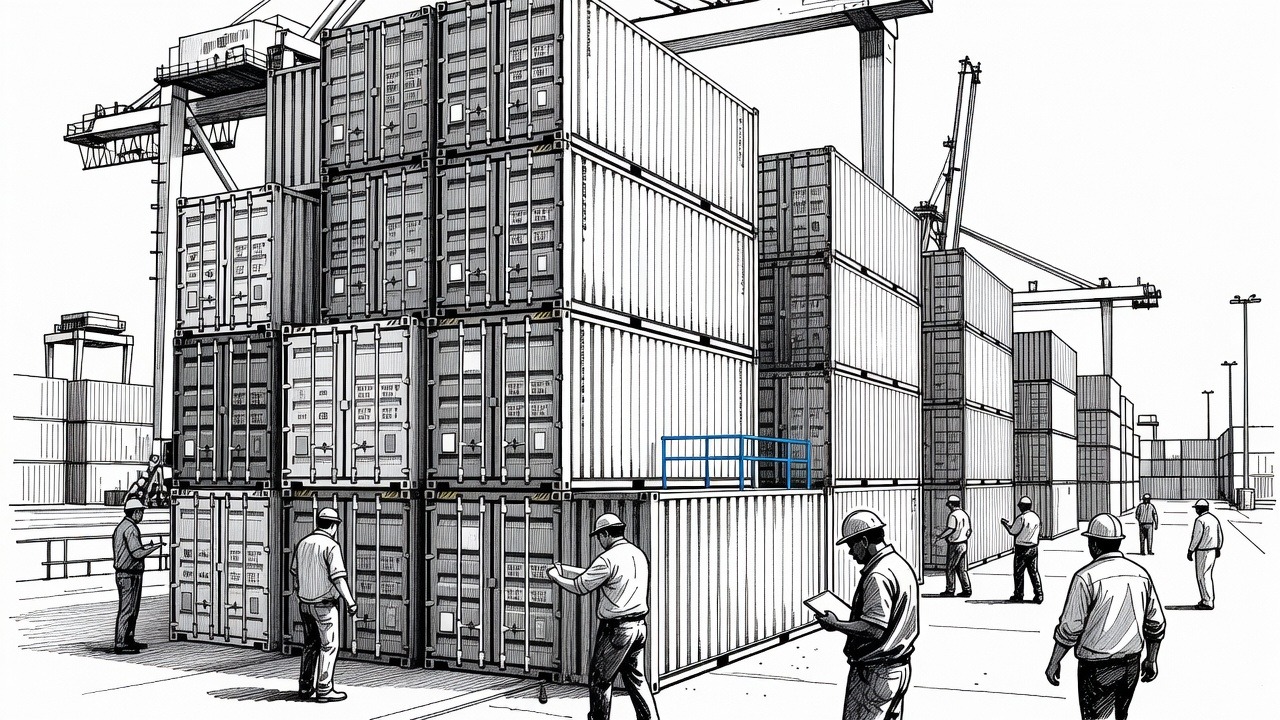
His justifications are manufacturing, national security and supply chains. Look at the evidence offered at the same summit. UPS chief executive Carol Tomé says companies are diversifying and regionalizing their supply chains. That is a polite description of businesses spending money to reroute around an unpredictable policy. It is a cost, not a renaissance. Rebuilding capacity takes years of stable rules, patient capital and a trained workforce. A tariff regime that shifts with the president's mood offers none of those. No CEO builds a plant to last decades on a policy that can be rewritten by social media post.
The beneficiaries are worth noticing too. Dow's chairman backs the tariffs as a response to unfair competition. Fine. Protected industries always like protection. But a policy that enriches favored producers while taxing everyone downstream is not populism. It is a subsidy delivered through the prices of ordinary households, with the bill hidden.
Now the part my own side should hear. Democrats cannot answer this by pining for the pre-2016 consensus. Working people in Ohio and Michigan were right that the old trade deals gutted their towns while Washington told them to retrain. Concern about China, fragile supply chains and hollowed-out industrial communities is legitimate. That is exactly why the Left should insist on doing it properly: targeted protection tied to wages and investment, public money for the industries that matter, and enforceable labor standards. The CHIPS Act and clean-energy incentives at least tried to build capacity rather than just tax its absence. A blanket tariff is the lazy version of industrial policy. It has the swagger and none of the plan.
There is also a plain democratic point. An election just delivered a message about prices. Governing is supposed to involve some response to that. Declaring the policy fixed through the term treats the voters as an obstacle to be waited out.
Democrats should force the question. Do you support a tax that falls hardest on people who can least afford it, with no relief and no plan to build anything lasting? If the answer is yes, say it to voters at the register. If the answer is no, then pass legislation reclaiming Congress's role over tariffs, and offer working families a trade policy that rewards investment, not just a higher price tag.
How it may affect me
Tariffs raise import costs that often show up in prices for goods like clothing, electronics, appliances, tools and car parts. With the policy continuing, households should not count on those prices easing soon. Budget for higher costs on imported durable goods, and compare prices before big purchases.