Notice what moved on Tuesday. Not a treaty, not a ceasefire, not a signed anything. Oil prices moved. A president said a war "could end fairly soon," and the market exhaled. That tells you how this war is being run, and for whom.
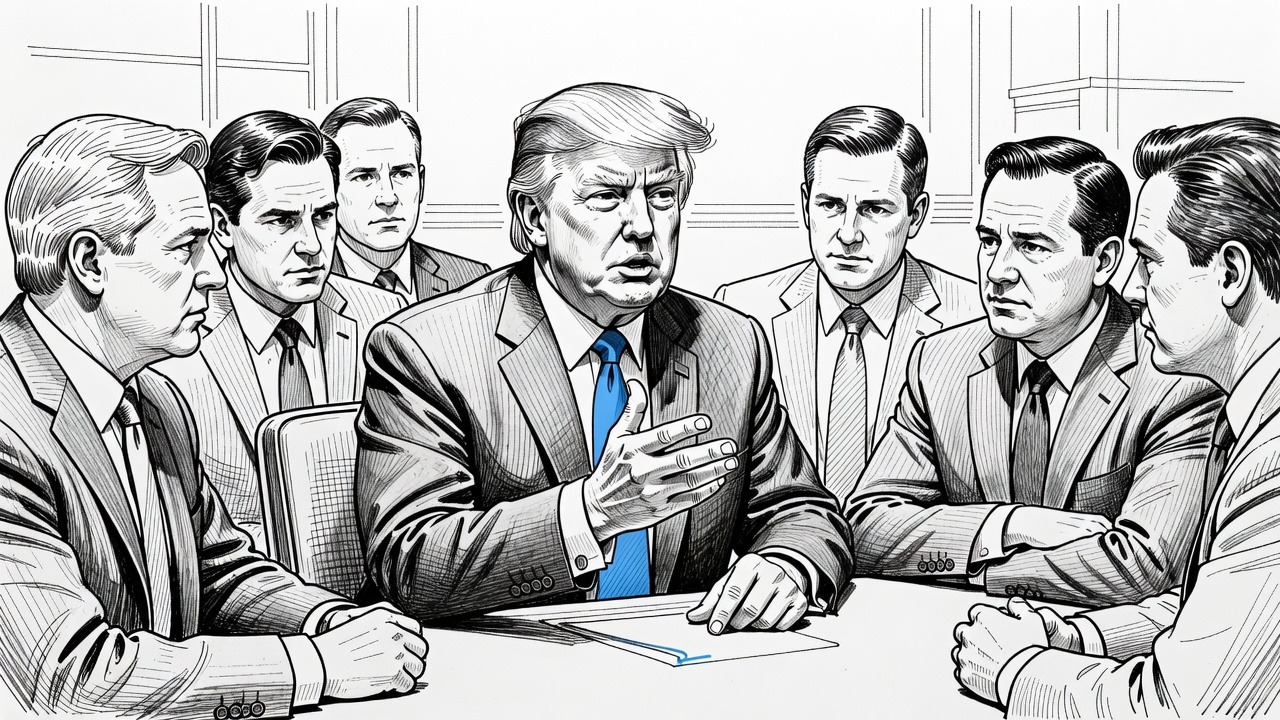
The facts in the story are thin, and they contradict one another. Trump says talks are progressing. An Iranian official says Tehran sent a two-day proposal through Qatar seeking sanctions relief and a new shipping arrangement for Hormuz. Another senior Iranian, Mohsen Rezaei, flatly denies any negotiations with Washington are happening. Both can be partly true, since mediators exist precisely so that adversaries can deny talking. But a president announcing the finish line before the other side admits the race has started is a way of managing gasoline prices. It is not diplomacy.
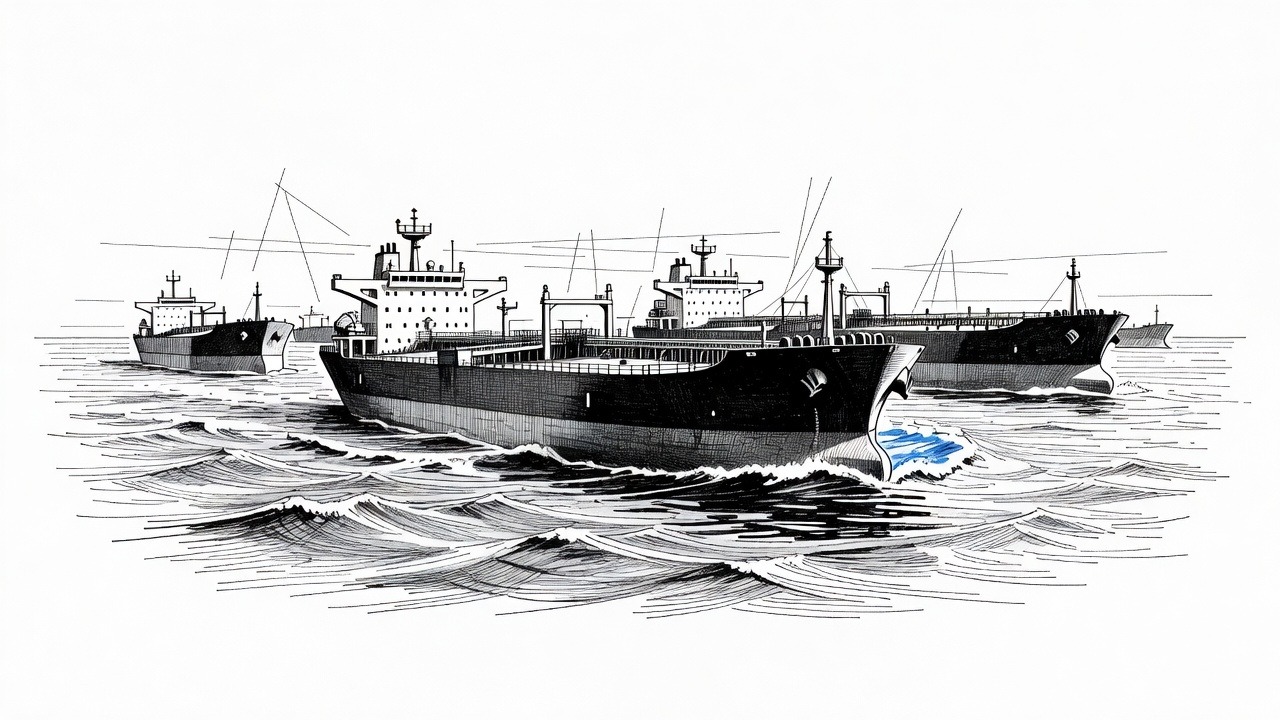
Now look at what Iran is reportedly asking for: sanctions relief and a workable shipping route. After nine months of war, we have arrived at the bargaining table to discuss the economic terms of coexistence. That is where we were before the shooting started. Trump insists Iran "will not be allowed to obtain nuclear weapons." That was the entire premise of the 2015 nuclear agreement, which Trump tore up in 2018 on the promise of something better. Seven years later, the something better has been a blockade, a shooting war, a shipping crisis and an oil shock, all to reconstruct, at far higher cost, a negotiation that already existed.
This is the Right's foreign policy in its purest form: break the working arrangement, escalate, then take credit for the cease-fire. Anyone who warned about the escalation was called naive. The naive ones turn out to be those who believed that coercion alone could substitute for a settlement.
The cost of that belief was not paid in the White House. It was paid by service members deployed to a conflict most Americans cannot explain, by drivers and truckers and small businesses absorbing energy price spikes, and by the people of Iran, who live under both a repressive government and a blockade. Sanctions and naval blockades are sold as clean alternatives to war. They are war, only with the casualties hidden in hospitals, pharmacies and household budgets.
Then there is the roster of supporters Trump cites: Qatar, Saudi Arabia, the UAE, Bahrain and Kuwait, all backing the blockade and restrictions on advanced weapons flowing to Iran. These are authoritarian monarchies with their own interests in a weakened Iran and a stable oil market. Their approval is not a mandate. It is a reminder that this policy is being shaped in the Gulf and the Oval Office, with the American public as an afterthought.
Which brings up the part my own side should be ashamed of. A war has run for nine months. The Constitution gives Congress the power to take the country to war, and the War Powers Resolution sets a clock measured in days, not seasons. Where is the sustained, forced, recorded vote? Too many Democrats have treated this as a messaging opportunity, tut-tutting about gas prices while avoiding a clear on-the-record position, in case the war turns out to be popular. Opposing a war only after it becomes unpopular is not opposition. It is polling.
If this conflict really is winding down, good. Take the exit. Make it a real agreement with verification, sanctions relief tied to enforceable limits, and Hormuz open to everyone. But do not let anyone call the arrival at a deal they could have kept in 2018 a triumph. And do not let Congress go on pretending that war is something that simply happens to it.
How it may affect me
Fuel and shipping costs are reacting to headlines, not signed agreements. Expect gasoline and diesel prices to stay volatile until Hormuz traffic visibly and durably recovers. A falling crude price this week doesn't guarantee lower pump prices next month, and renewed strikes could reverse it quickly.