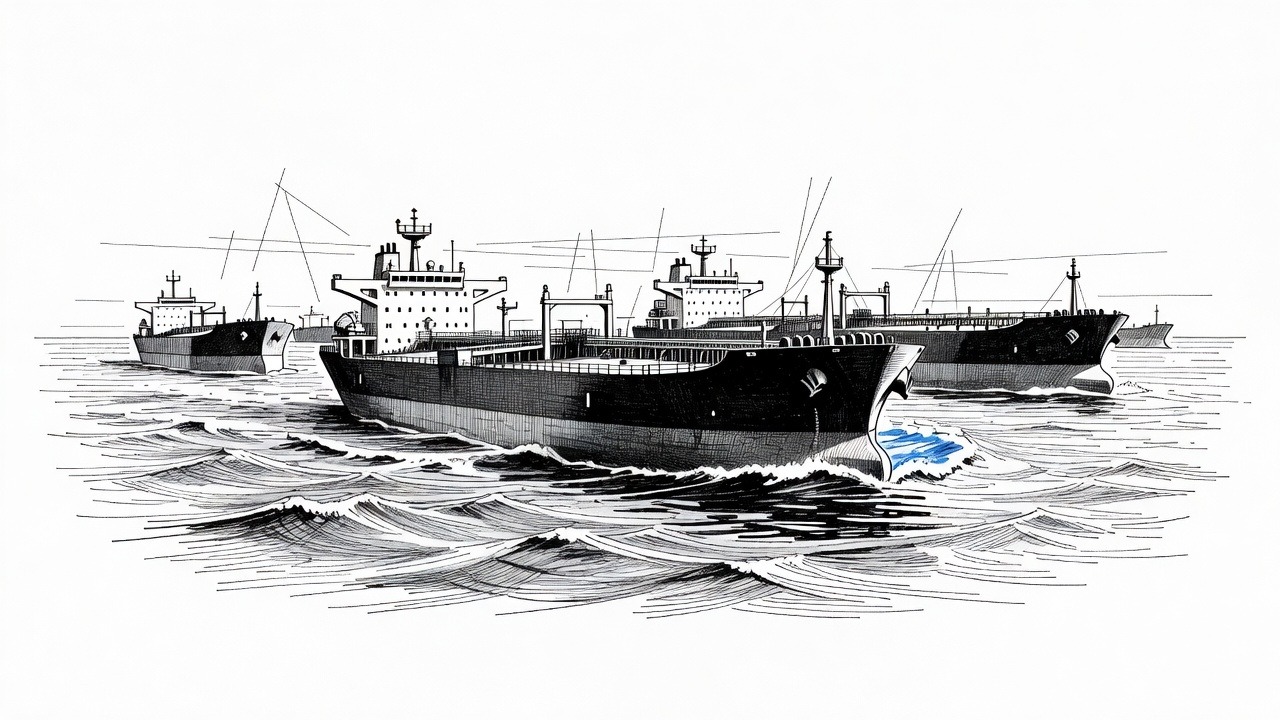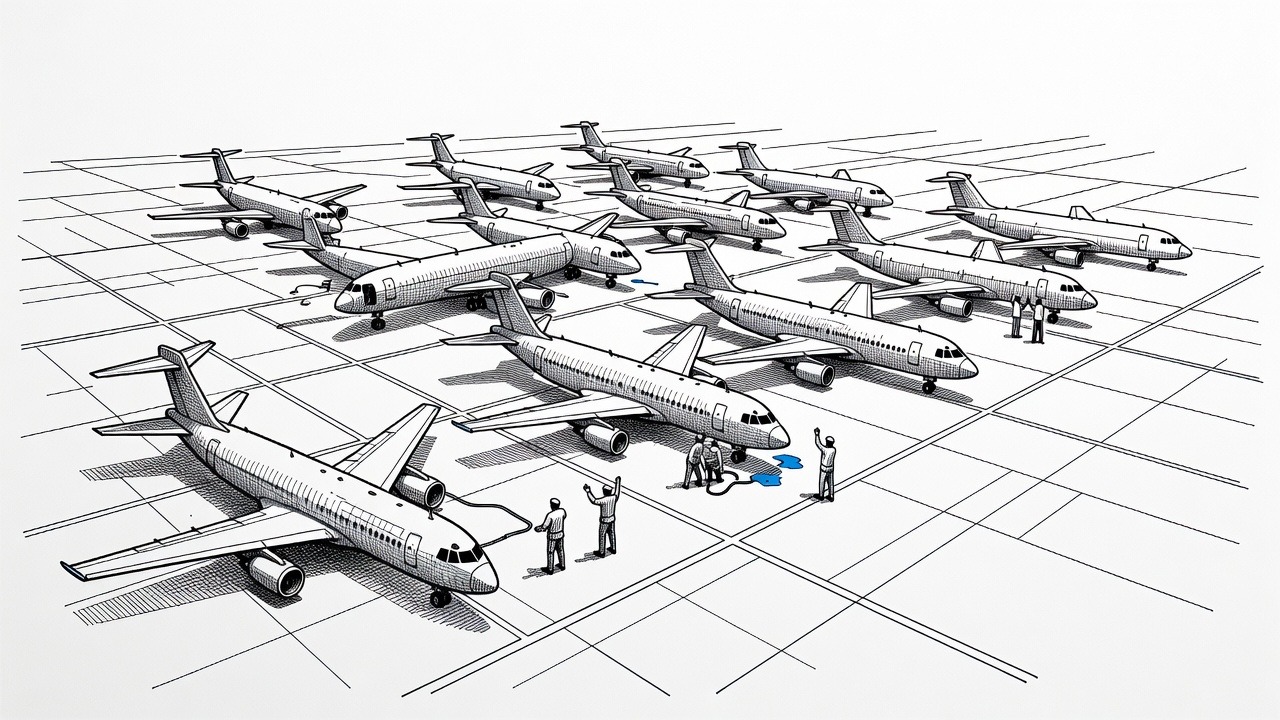
The Air Force says nothing to see here. Tanker aircraft rotate between bases all the time, a spokesperson explained, and for reasons of operational security, that's all anyone gets to know. Meanwhile, sources say the move from RAF Mildenhall to Germany and elsewhere was tied to a threat from Iran. Both things cannot be equally true, and the gap between them is the story.
Start with what is plain. Refueling tankers are not decorative. They are what lets American strike aircraft reach distant targets, and they are moved when someone with access to intelligence decides they are exposed. Before this, bombers were pulled from RAF Fairford after a separate security incident near that base. Two American assets have now been shifted out of English bases in quick succession. Whatever the Pentagon calls it, it is not nothing, and it tells us how Washington sees these places: as targets worth protecting.
Then ask who gets protected. The aircraft leave. The villages around Mildenhall and Fairford do not. The families in Suffolk and Gloucestershire who live beside runways that can be named in an Iranian threat assessment have no tanker to move. If American planners judge that hosting these aircraft invites risk, the British public is entitled to ask who accepted that risk on its behalf, and when anyone asked.
The honest answer is that nobody did. Basing arrangements between Washington and London are a thicket of agreements that most voters have never read and Parliament rarely debates. They allow a foreign military to stage operations from British soil, and they have sat comfortably in the background for decades because the danger felt theoretical. It stops being theoretical when the owner of the hardware is quietly shuffling it out of range.
The strongest counterargument deserves a fair hearing. Militaries do not announce tanker movements, and they shouldn't. Iran is a real adversary with a record of attacks through proxies, and prudent force protection is not a conspiracy. Fine. Nobody needs the tail numbers or the departure times. But there is a difference between secrecy about tactics and secrecy about the political bargain. "Operational security" is a legitimate reason to withhold where an aircraft is going. It is a lousy reason to withhold whether a democratic country's territory is being used as a platform for operations against Iran, and what that means for the people living near it.
This is also where the Left has to be honest about its own camp. A Labour government that campaigned on seriousness and accountability should not be answering questions about American war logistics with a shrug and a reference to existing agreements. And Democrats who talk about war powers whenever a Republican is in the White House should be asking now what authority covers a posture that apparently anticipates conflict with Iran. Congress has not voted on that. Parliament has not either. Both legislatures are content to learn the shape of a possible war from anonymous sources and leaks about aircraft parking.
We have seen this movie. Escalation is built from steps that each look administrative: a rotation here, a redeployment there, a threat assessment nobody explains. By the time the public is invited to weigh in, the commitments are made and the targets are drawn.
So demand the boring thing. Ministers in London should tell Parliament, plainly, what limits govern offensive use of British bases and whether those limits have been tested. Lawmakers in Washington should force a vote on what, exactly, the United States is preparing to do with these aircraft. Moving tankers is a military decision. Deciding whose homes sit within range of the consequences is a political one, and it belongs to the public.