Eli Lilly's sleep apnea results are good news, and also an indictment of how America decides who gets medicine.
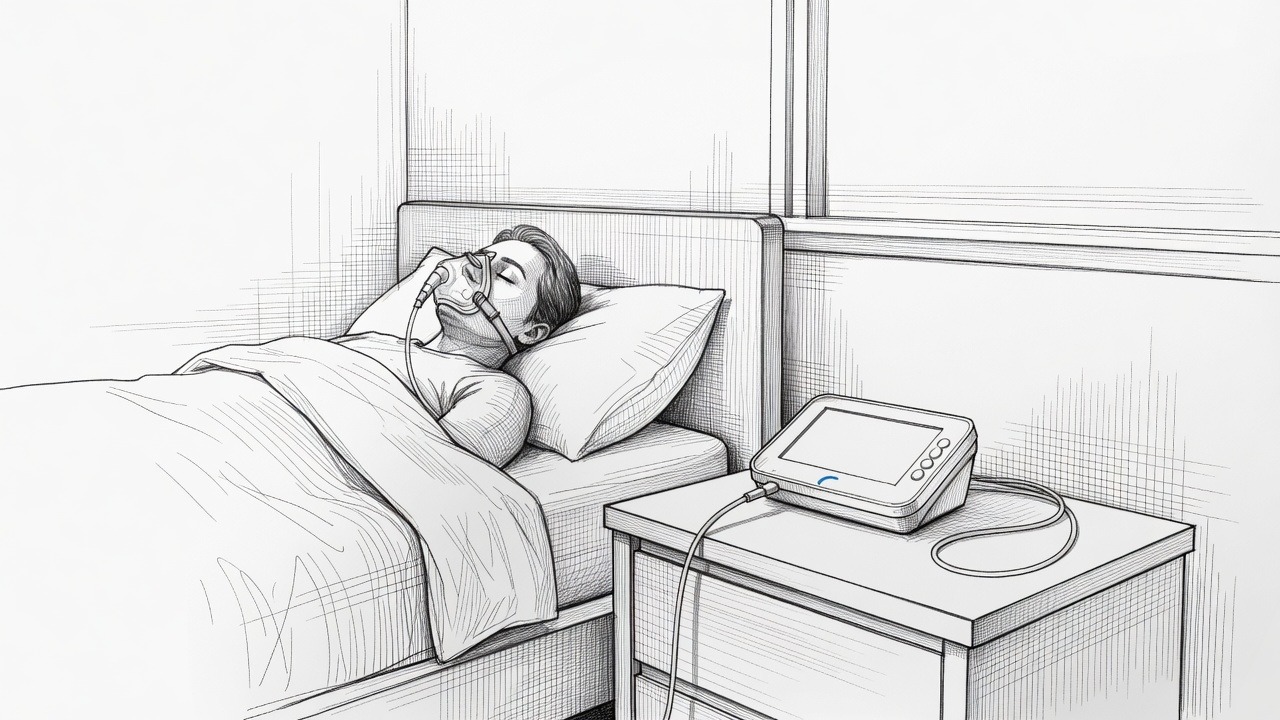
Start with the numbers, which are impressive even allowing for the fact that they come from a company press release rather than a peer-reviewed paper. Patients on Foundayo cut their breathing interruptions by roughly 18 to 21 an hour, against about 5 for placebo. Obstructive sleep apnea is not a joke about snoring. It is repeated oxygen starvation through the night, tied to hypertension, heart disease and wrecked days. A pill that treats it by treating the obesity underneath is a real advance.
Now ask why Lilly is chasing this label. Obesity is already the indication. Millions of Americans have it, and the evidence that it is a chronic metabolic disease, not a character flaw, is overwhelming. But Medicare is barred by statute from covering drugs prescribed for weight loss. Many private insurers still balk. So the industry hunts for a second diagnosis, such as sleep apnea, heart failure or fatty liver disease, that lets the same molecule slip through the door under a different name.
That is rationing by paperwork. A patient with obesity and sleep apnea may get coverage. A patient with obesity and prediabetes, who is a few years from the apnea or the diabetes, is told to try harder. We would never run cholesterol drugs this way. We do not make people wait for the heart attack. Here we effectively do, and then we call it fiscal responsibility.
The fault is bipartisan, but it is not evenly distributed. The Biden administration proposed letting Medicare cover these drugs for obesity. The Trump administration declined to finalize that rule. It later announced a pricing deal with Lilly and Novo Nordisk and staged it as a triumph. A deal negotiated for photo ops and announced by press conference is not a coverage guarantee. Congress could end the statutory ban tomorrow. It hasn't, because the sticker price frightens everyone, and Lilly, which sets that price, has little reason to hurry the conversation along.
That price is the other half of the story. These drugs are cheap to make relative to what Americans pay, and Americans pay far more than patients in other wealthy countries. Public money built much of the science behind GLP-1 medicines, from NIH-funded research to the universities where the biology was worked out. The public now gets to rent the results at whatever the market will bear. When Lilly says patient safety is its priority, I believe it has a priority. I'd like to see the same urgency about the person who needs the drug and cannot afford it.
Safety does deserve attention. About 12% of Foundayo patients in one trial group quit because of side effects, mostly gastrointestinal. The FDA has just ordered warnings across the drug class for a rare serious eye condition. None of that cancels the benefit. Sleep apnea and obesity carry their own severe risks, and these are decisions for patients and doctors. But it is why the answer cannot be a gold-rush of cash-pay prescriptions fed by telehealth ads and left to the well-off. A drug with real risks needs real clinical oversight, and that means coverage with a doctor in the loop, not a coupon and a prayer.
The Right will say expanded coverage would bankrupt Medicare. That deserves a serious answer: price negotiation, which Republicans resisted for decades. The country that cannot afford to treat obesity as disease is the same one that pays for its complications, from dialysis to amputations to cardiac surgery, after the fact.
A breakthrough in the pharmacy and a barrier at the insurance desk is not a health system. It is a lottery with a good press office.
How it may affect me
If you have obesity and moderate-to-severe sleep apnea, ask your doctor whether a GLP-1 medicine is appropriate, but expect nothing to change soon: Lilly says it will seek FDA approval for the sleep apnea use by year-end. Check your plan's coverage rules before relying on any prescription. Anyone taking GLP-1 drugs who notices sudden vision loss or changes should seek medical care promptly.