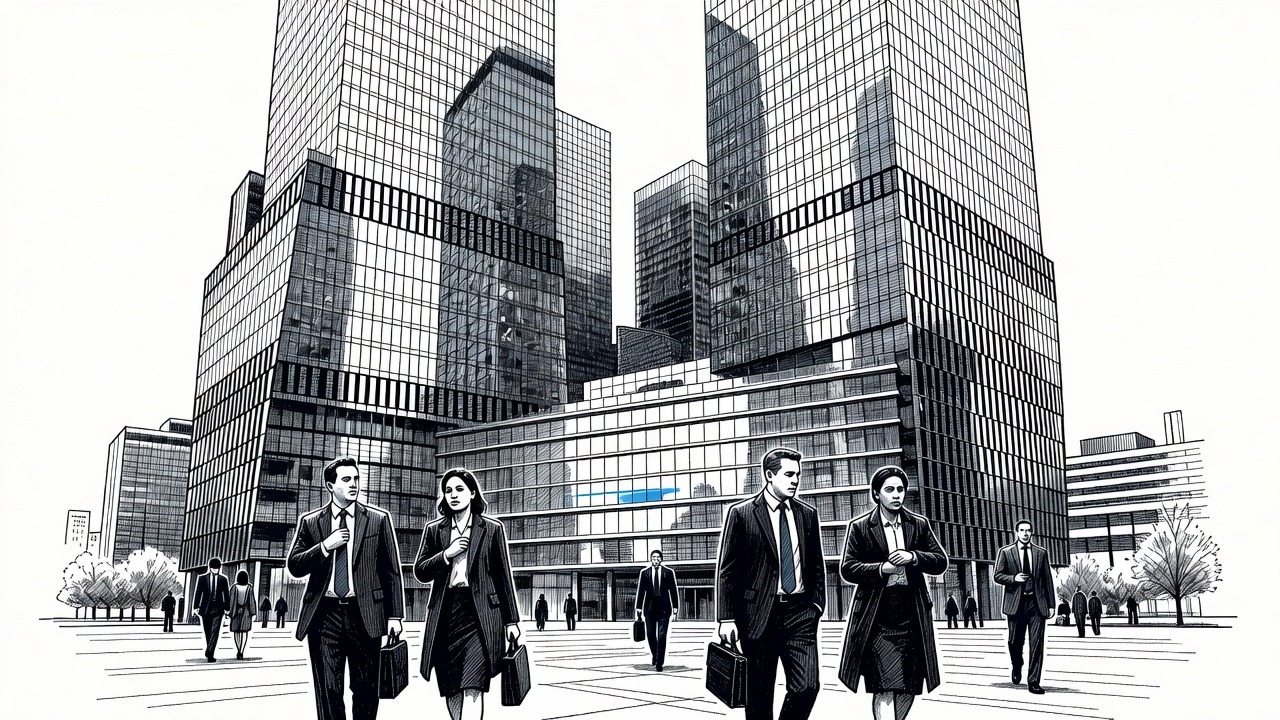
Watch how the argument is already being conducted. The Interior Ministry says 146,000 marched; the youth unions say 250,000. Police report 360 arrests, 1,500 injured officers and 2,500 damaged businesses. Marine Le Pen has found her villains: extreme-left agitators and immigrants. Every number and every blame is about the street. Almost nobody in power is asking why the street is full for a fourth straight weekend.
The answer is not mysterious. People are marching about rent, food, wages, crumbling schools and hiring discrimination. This began with students complaining about the conditions of their classrooms. Nobody gets 46,000 people into Paris on a cold weekend, month after month, over a mood.
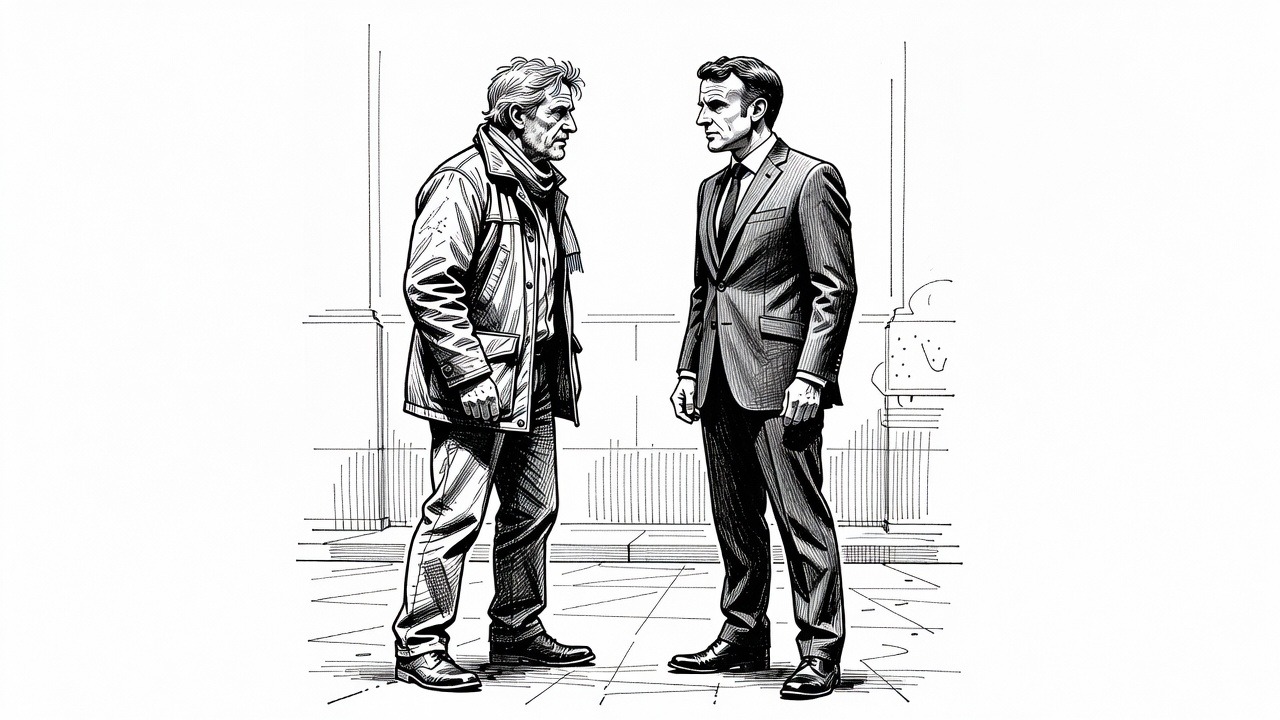
Sébastien Lecornu will now sit down with unions and employers to discuss wages and purchasing power. Good. But note the sequence. Four weekends of protest produce a meeting. Compare that with how Emmanuel Macron has treated every earlier form of democratic expression. He forced through the 2023 pension reform without a parliamentary vote while millions marched. After the 2024 snap election, which he called and which the left-wing alliance won in seats, he declined to give the left a chance to govern. When ballots and mass marches both fail to move the Élysée, we should not be shocked that politics spills into the boulevards.
The pattern has a long pedigree. The gilets jaunes began over fuel costs in 2018, and Macron's government answered with concessions only after burning streets forced its hand. Each time, the lesson taught to ordinary French people is that a ballot is optional and disruption is the only language the palace understands. Macron is a more effective recruiter for protest than any union leader.
The Right's contribution is worse than useless. Le Pen concedes that economic hardship is real, then pivots immediately to immigrants and the far left. It is the oldest trick in her family's repertoire: acknowledge the pain, then aim it downward. Wages did not stagnate because of the people sweeping the offices or staffing the hospitals. They stagnated because of choices about who pays for public services and who is spared. Ask why the question of taxing very large fortunes more heavily keeps dying in parliament while polls suggest the public is receptive. Then ask why the people hit hardest by the cost of living are told to be patient.
The Left must be honest about the violence too. Smashed shopfronts are not revolution. A burned-out café or a looted small store hurts a worker or a family, not a billionaire. Police officers hospitalized are also people, many of them on modest wages. If the movement lets its image be set by hooded vandals, it hands Le Pen and Macron the same gift: a reason to talk about order instead of justice. Organizers have both a moral and tactical interest in separating themselves from that violence, loudly.
But condemning broken windows is not the same as dismissing a movement. The test now is what comes out of Lecornu's meeting. A photo op and an appeal for "dialogue" would confirm everything the protesters believe. Real answers would include wage floors that keep pace with prices, funding for the schools where this began, enforcement against hiring discrimination, and a tax system that asks the wealthiest to contribute more. Anything less will not end a fifth weekend. It will guarantee it.