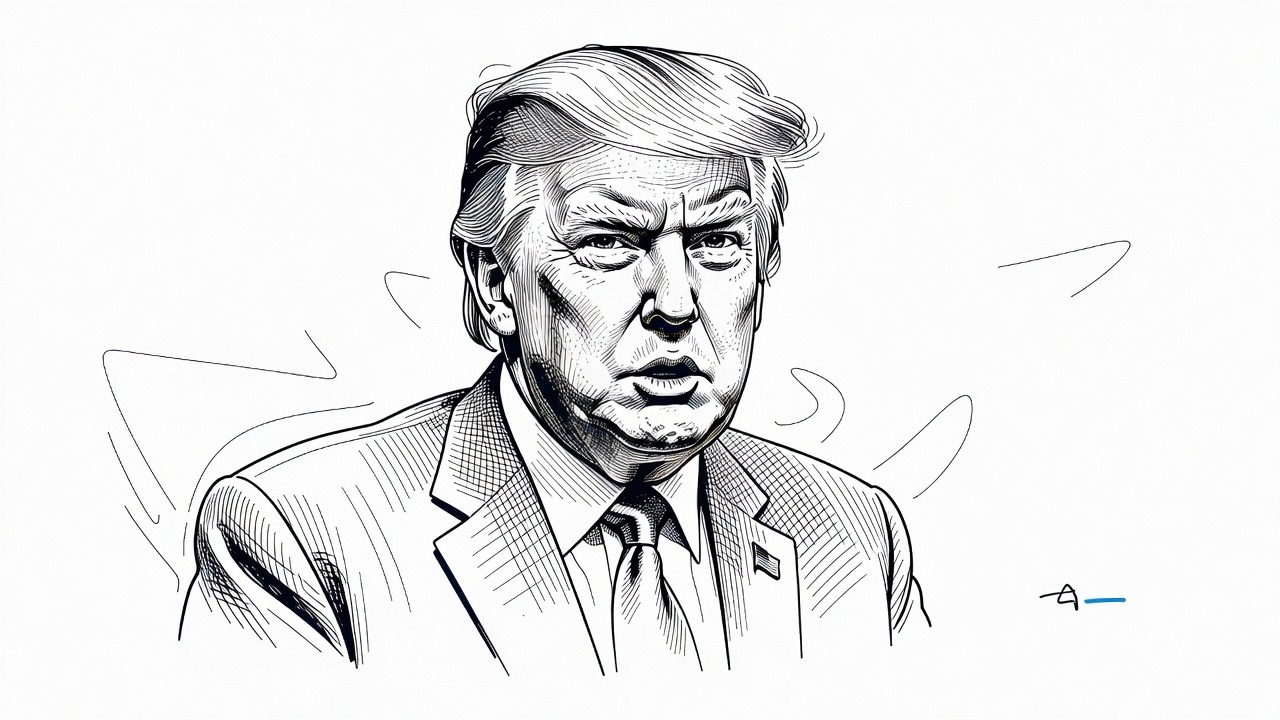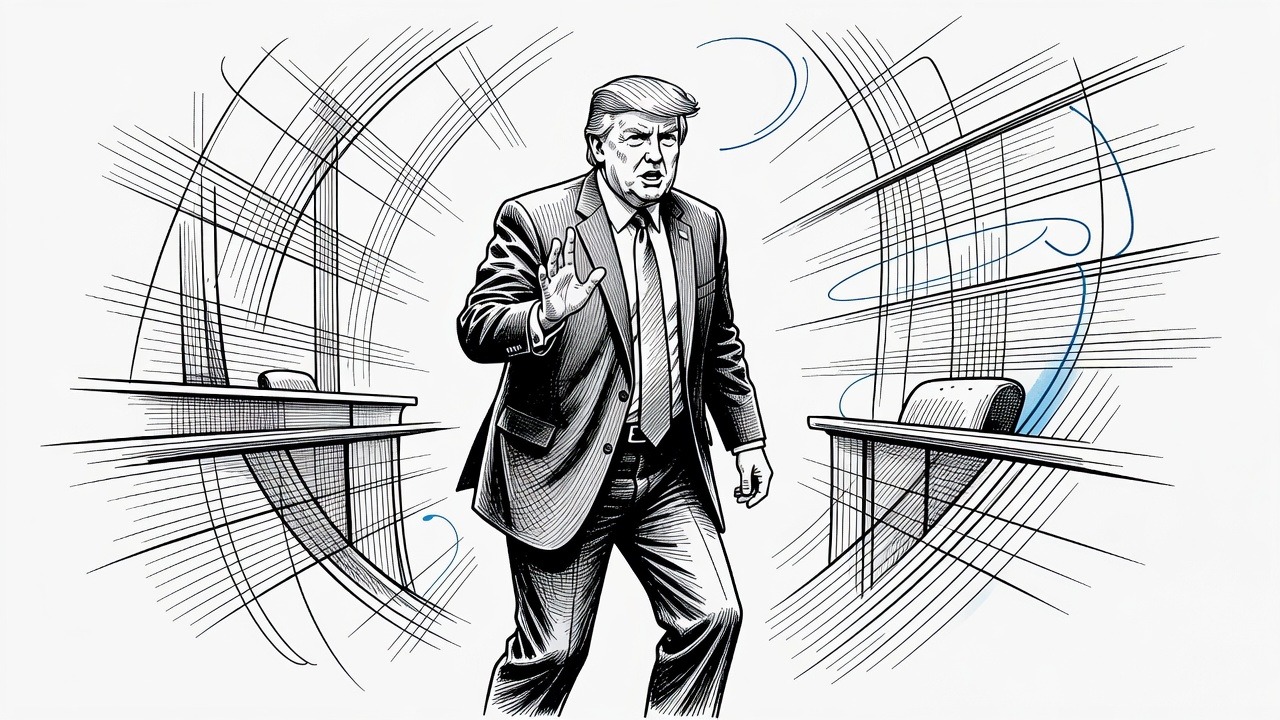
Conservatives will tell you this is a fight over architecture. It isn't. Nobody needs a degree in art history to see what's at stake when a president's allies hurry a 250-foot gilded monument toward the groundbreaking stage before anyone has settled who is allowed to approve it.
Judge Tanya Chutkan's 14-day order is narrow and temporary. It halts excavation, demolition and road closures at Memorial Circle because the challengers are likely to show that required procedures were skipped. That is not judicial tyranny. It is a court asking whether the government followed the law before it started digging, which is the oldest and least radical question a court can ask.
The law at issue is the point. Monuments on federal land in the capital region are not supposed to be the private enthusiasms of whoever occupies the White House. Congress is meant to authorize them, and independent review is meant to test them. The idea behind that system is simple: the national memory belongs to the public, not the executive. When a planning commission votes 8-4 to approve a project whose congressional authorization is still contested, and the commission's executive director, Mark Paoletta, is a Trump loyalist cheering it on, the review looks less like scrutiny than a rubber stamp.
The context makes the suspicion fair. This administration has treated review processes as obstacles for things it wants and as weapons against things it doesn't. It tore into the East Wing for a ballroom with the same impatience for oversight. It has packed or pressured the boards that are supposed to check it. A triumphal arch, a form invented by emperors to celebrate conquest, is the natural next step for a president who has long loved the look of grandeur. The proposed design has three gilded figures on top. A republic that began by renouncing a king is about to mark its 250th birthday with a victory arch commissioned in the middle of a political era defined by one man's name and face.
The plaintiffs matter too. Vietnam veterans, who know something about what happens when national symbols are used to cover for bad decisions, are in court. So are the District of Columbia and Virginia, whose residents would absorb the traffic, the cost and the disruption. The Justice Department's answer is that none of them has standing. That is a revealing position: a monument said to belong to all Americans apparently can't be challenged by any of them.
I'll concede the strongest objection. Many on the left, myself included, have spent years complaining that liberal cities strangle housing, transit and clean energy under endless review, and that process can become an excuse for doing nothing. If we only discover our love of procedure when Trump wants something, we deserve the mockery. But the distinction is clear. The abundance critique is about reviews that obstruct things the public has already approved and needs: homes, rails, wires. This is the reverse. It is a vanity structure with no clear congressional mandate, no urgent public need and a cost borne by the communities around it. Speed is a virtue when it builds housing. It is a warning sign when it builds a shrine.
Democrats should say that plainly, and not retreat into the language of aesthetics, where Trump wins the easy argument that liberals hate beauty. The case is about authority. Congress authorizes. The public gets a say. The executive is not a monarch with a design portfolio.
The order will expire, and the judge may rule differently on a fuller record. But the restraint came from the right instinct. If a gold-topped arch can rise at the end of Memorial Bridge because the people in charge declared it so, the question of who decides what America remembers is already answered, and the Constitution wasn't consulted.
How it may affect me
If the project eventually proceeds, drivers and commuters near Memorial Circle and the Arlington Memorial Bridge approaches could face lane closures and detours during construction. The judge cited possible economic harm to local jurisdictions from traffic disruption. For now, the 14-day order bars road closures and excavation, so existing routes should stay open unless a court says otherwise.