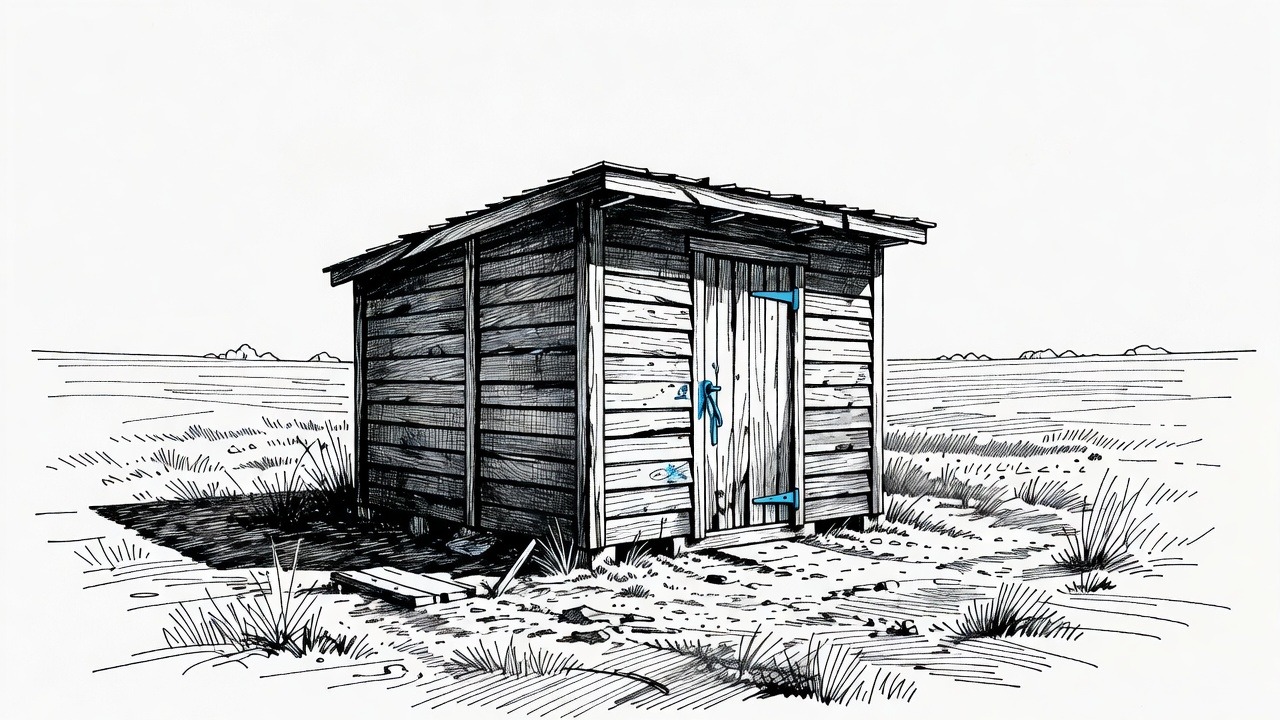
Jacob Morley is a convicted murderer serving life. He went through a fence, stole a truck, ditched it, hiked to a hunting shed, drank the owner's beer, made garlic bread, took clothes, three guns and another truck, and left an apology note. For more than a week he was somebody else's problem across three states. The garlic bread will get the attention. The fence should.
Tennessee is a state whose politicians have built careers on promising that dangerous people will be locked away. The promise is easy to make. It is only kept by the unglamorous work of paying, training and retaining the people who stand between a life-sentence prisoner and the road. Tennessee has been warned about its prison staffing for years, through state audits, press investigations and the 2019 escape that ended in the murder of prison administrator Debra Johnson. Officials act surprised each time. They should not be. Chronic understaffing is a choice, made in budgets by people who love the word "tough" and resent the price of it.
That is the hypocrisy at the center of American punishment. We sentence people to die in prison, then treat the buildings and the workers who guard them as the place to economize. Correctional officers are underpaid, overworked and routinely mandated into double shifts, in jobs that are dangerous and thankless. A state that wants the political reward of a life sentence owes the people enforcing it real wages, real staffing and real security. If it won't pay for that, it has no business calling itself the party of law and order.
Then there is what Morley found when he got out. Three firearms, in a shed, within walking distance of where he abandoned his truck. The gun-rights movement insists that more guns in more places make everyone safer, and that any proposal for secure storage is an assault on freedom. Here is the other side of that bargain: a convicted killer on foot, with a note of apology and a stranger's arsenal. Nobody was hurt this time, and the Missouri State Highway Patrol deserves credit for a clean arrest. But "no one died" is not a safety policy. It was luck, and the people living near that property were the ones relying on it.
The arrest also came through a network of cameras that tracked his vehicle across Missouri. Law enforcement will call it a triumph, and in this case it was effective. Those of us on the left should be honest about the trade. The same dragnet that follows an escaped murderer follows everyone else, with little public debate about who controls the data, how long it is kept, or who else gets to search it. A state can fail at the cheap, boring tasks, like staffing a perimeter, and then lean on surveillance to clean up after the failure. That should worry us even when it works.
None of this excuses Morley. He was convicted of murder and he chose to run. The courtesy of an apology note doesn't change what he was doing to the people whose property and safety he treated as supplies. But accountability runs both ways. The man in the shed is not the only person who made a choice here. So did the legislators who let the prison run thin, and the politicians who fight every rule on gun storage while demanding that someone else keep dangerous people contained.
If Tennessee's leaders want credit for protecting the public, they can start with the fence.
How it may affect me
If you own rural land, a cabin or a hunting shed, store firearms in a locked safe or with trigger locks, and don't leave ammunition accessible. Unsecured guns can be stolen by anyone, whether an escapee or an ordinary burglar. If you live near a prison, sign up for your county's emergency alerts.