The tech industry made a bet, and the bill is coming due.
For two years, the biggest names in Silicon Valley treated the Republican Party as a vending machine. They put money in, and deregulation, tariff favors and a friendly White House came out. They showed up in the front row at the inauguration. They told us AI was too important to regulate and too fragile to tax. Now Democrats hold the House and the Senate, and the industry is discovering that political loyalty bought in one season does not carry over to the next.
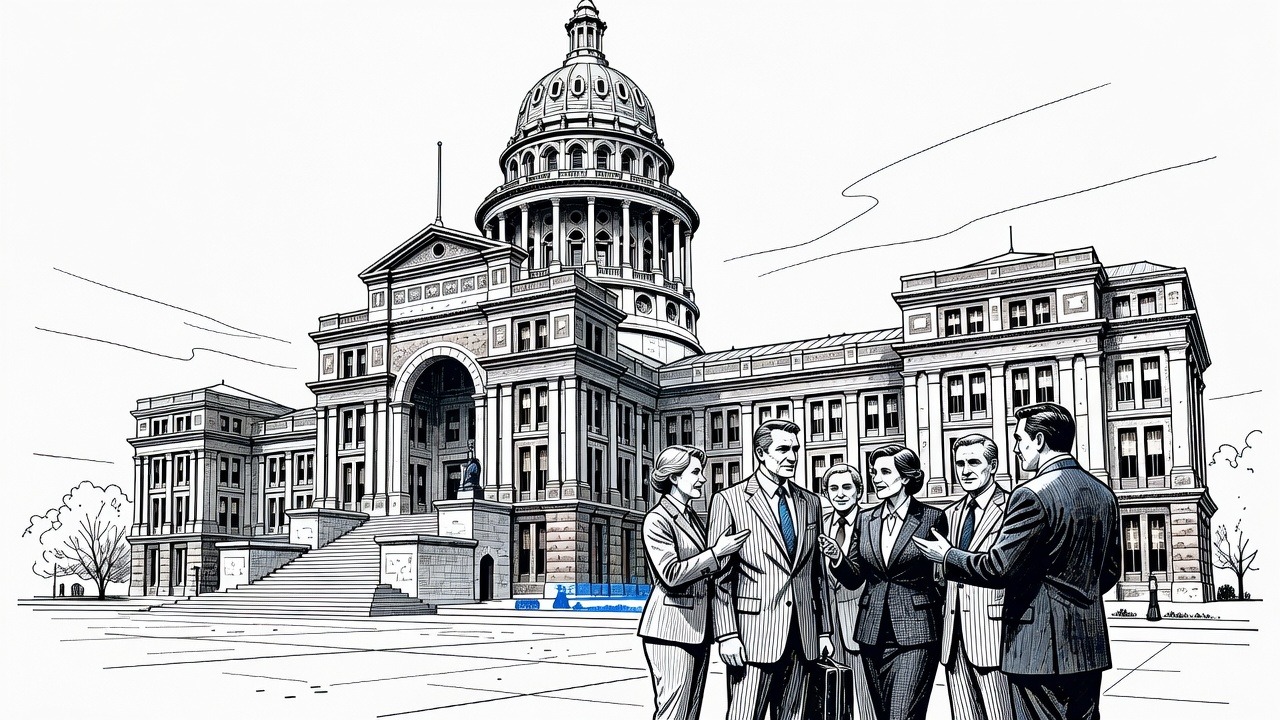
The most revealing number in the story is the Goldman Sachs estimate that election results in Texas and elsewhere could affect nearly half of planned U.S. data-center capacity. Notice what that means. A sector that sells itself as weightless software is really a vast physical enterprise: land, water, transmission lines and enormous amounts of electricity. Those costs land on ordinary people. When a utility builds capacity for a server farm, the question is who pays for it. Too often the answer has been ratepayers, through higher bills and deferred grid upgrades, while the profits go to shareholders in another zip code. Scrutiny of data-center development is not hostility to progress. It is a community asking to be treated as a party to the deal rather than a rounding error in someone's capex plan.
That is where Democrats should plant their flag. Make the AI boom pay its own way. Require large power users to cover the infrastructure they trigger. Demand disclosure of energy and water use. Attach public obligations to public subsidies. This agenda is concrete, local and popular, and it needs no seminar on political economy to explain.
Then there is California, where Proposition 40, the billionaire wealth tax, appears headed for defeat, along with related measures restricting state taxation of personal assets and limiting how certain tax revenue can be used. Some on the right will call this a referendum on the whole idea of taxing extreme wealth. It is not, and Democrats should be honest about why.
A wealth tax adopted by one state, and enforced against people who can change their address, is the weakest possible version of a strong idea. Billionaires can leave California, and the campaign against the measure told voters exactly that. The ballot box also is not the place to settle a hard question of valuation: how do you assess a founder's illiquid stake in a private company? Those are real design problems, and a party that waves them away deserves to lose the argument. The counter-campaign also had resources no ordinary tax opponent could match, and the people being taxed knew precisely how to spend them.
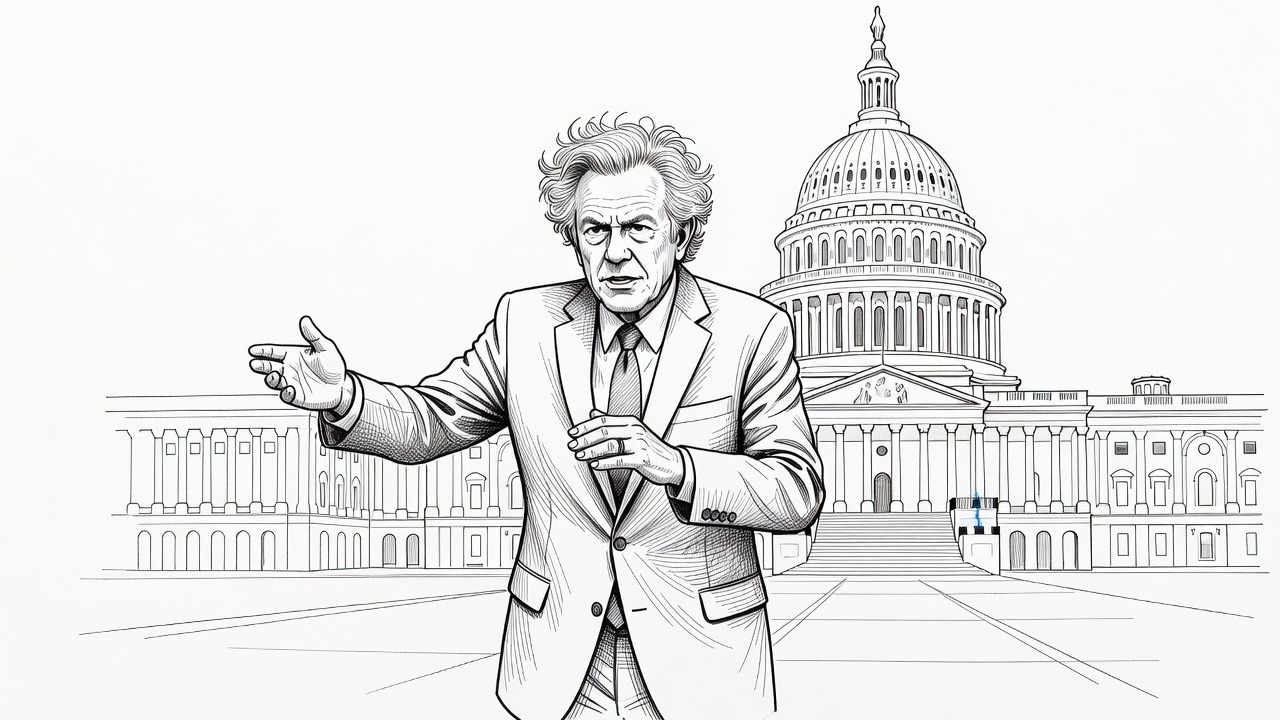
The lesson is not to retreat. It is to go federal, and to go smart. The Khanna-Sanders proposal for an annual tax on net worth above $1 billion has the right jurisdiction, because there is no escaping the United States by moving to Nevada. It still needs serious answers on valuation and enforcement. Meanwhile, the less glamorous proposals from other Democratic senators on income and capital gains may do more actual work. The richest Americans hold wealth that grows for decades without ever being taxed as income. Closing that gap, through stepped-up basis reform or taxing gains at death, is less cinematic than a billionaire tax, but it is also harder to dodge.
The danger for Democrats is mistaking a midterm win for a mandate on every item in the progressive wish list, or mistaking a California ballot loss for proof that voters side with billionaires. Voters did neither. They want a government that stops handing the future to the people who already own most of it, and they want it to work.
The tech industry spent heavily to convince Washington that its interests and the country's are identical. They are not. Whether it is a transformer substation or a tax return, somebody always pays. Democrats' job is to make sure it is not always the person with the smallest bank account.
How it may affect me
If a data-center project is planned near you, watch your state utility commission and local zoning hearings. Rules on who pays for new power capacity, often called large-load tariffs, can influence future electric bills. A federal wealth tax is only a proposal, so it would not change your taxes now.